• Home
  • About
  • Gallery
    • Istanbul
    • Madagascar
    • Southern Africa
  • News

ontheroadwithjp

~ tales of a wanderer

ontheroadwithjp

Author Archives: jwpenley

The Other Side of the Island

04 Thursday Sep 2014

Posted by jwpenley in Travel

≈ Leave a comment

Tags

Croatia, Dalmation Coast, Korćula, sailing

IMG_1886

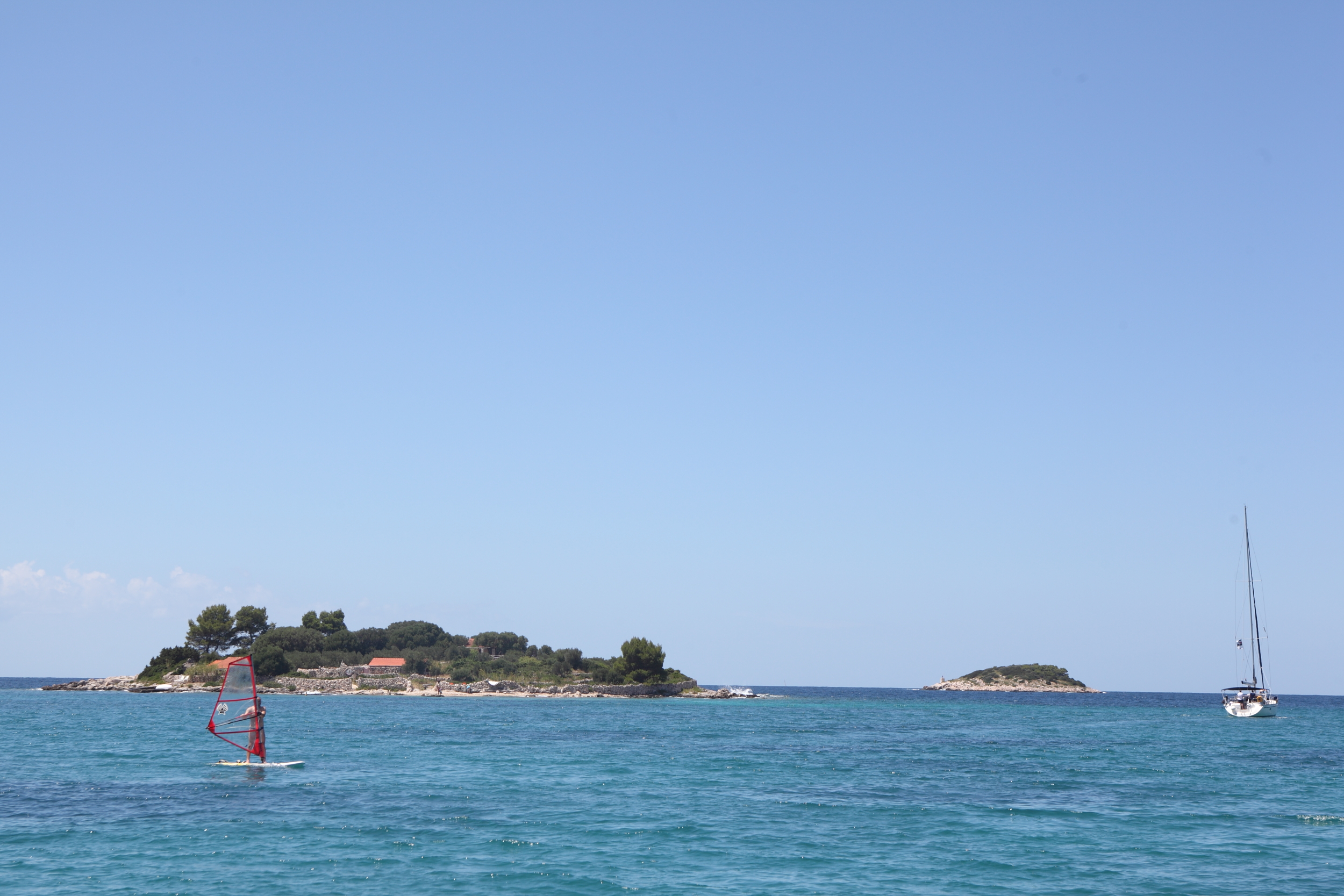
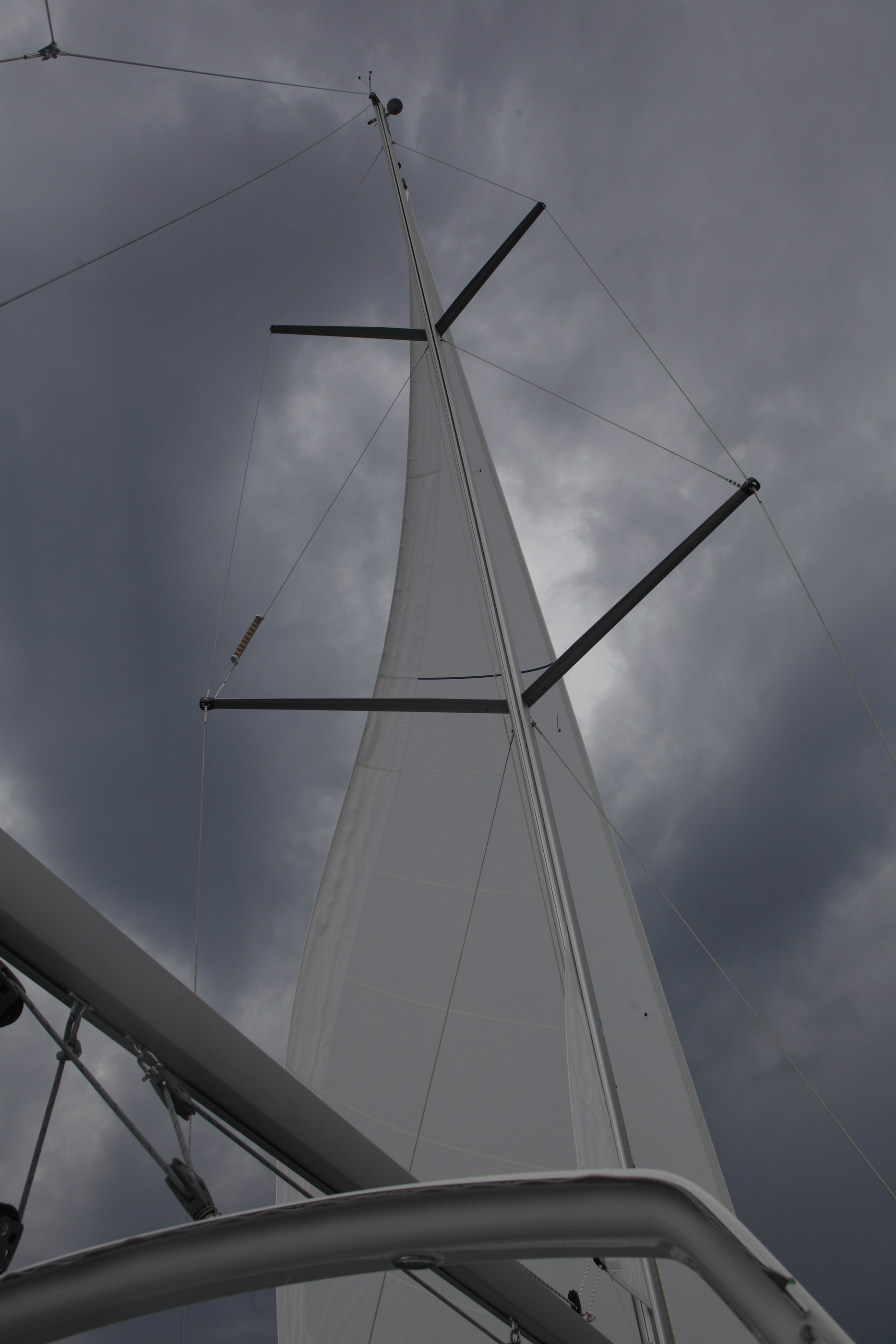
The fifth day out was an easy day. A slow sail, a stop for a dip in the Adriatic and a light lunch. Plenty of time before docking. A mere three-and-a-half hours from our morning start.


IMG_1887As we sail into the marina of a quiet looking village, the search begins for our slot. We have arrived, yet the name of our docking is not to be found. A call is made to the harbormaster (how did one sail before cell phones?) to find our slip. We are here but the name is not in evidence. No surprise.

We are in the wrong port.

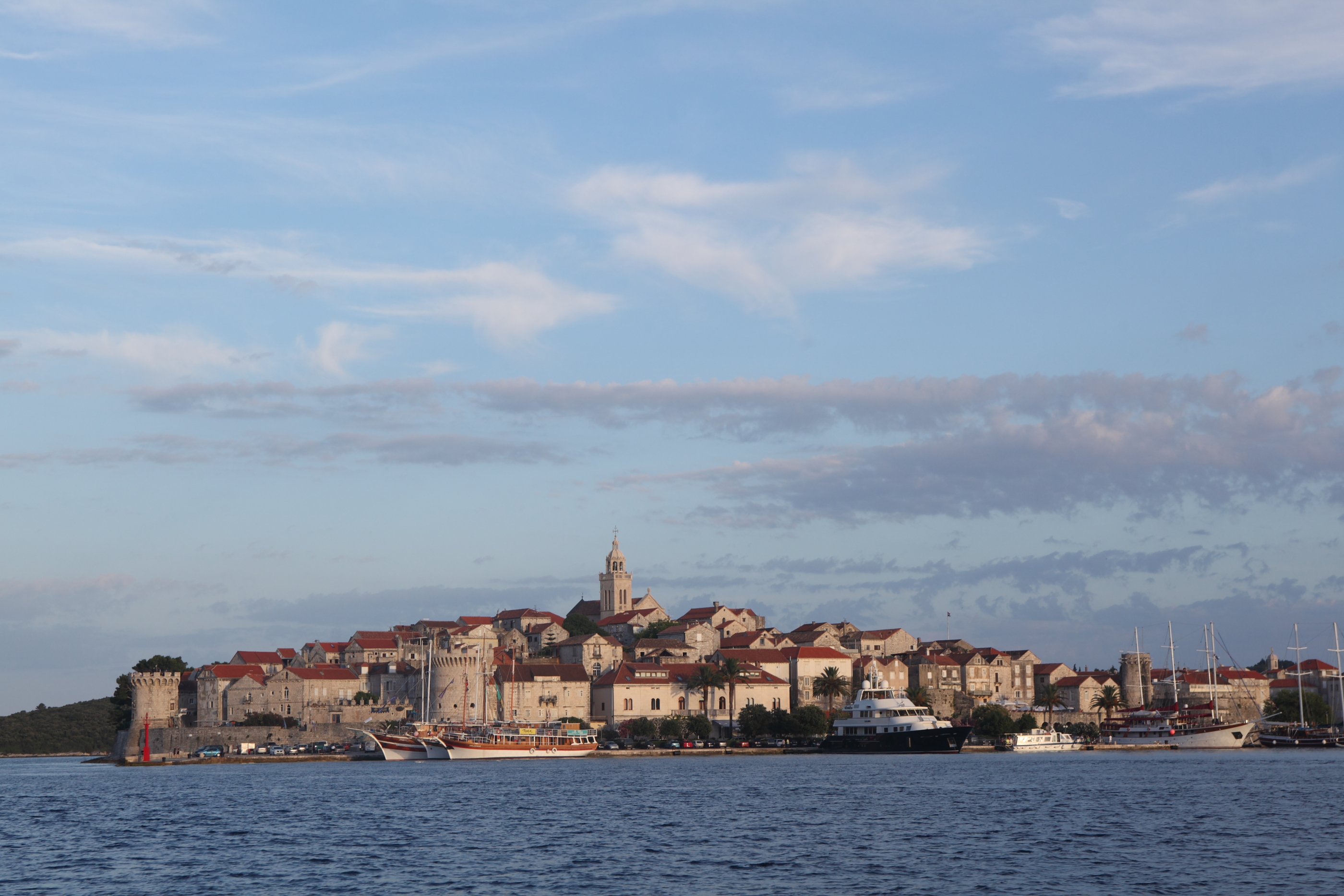
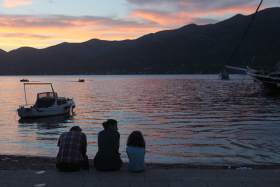
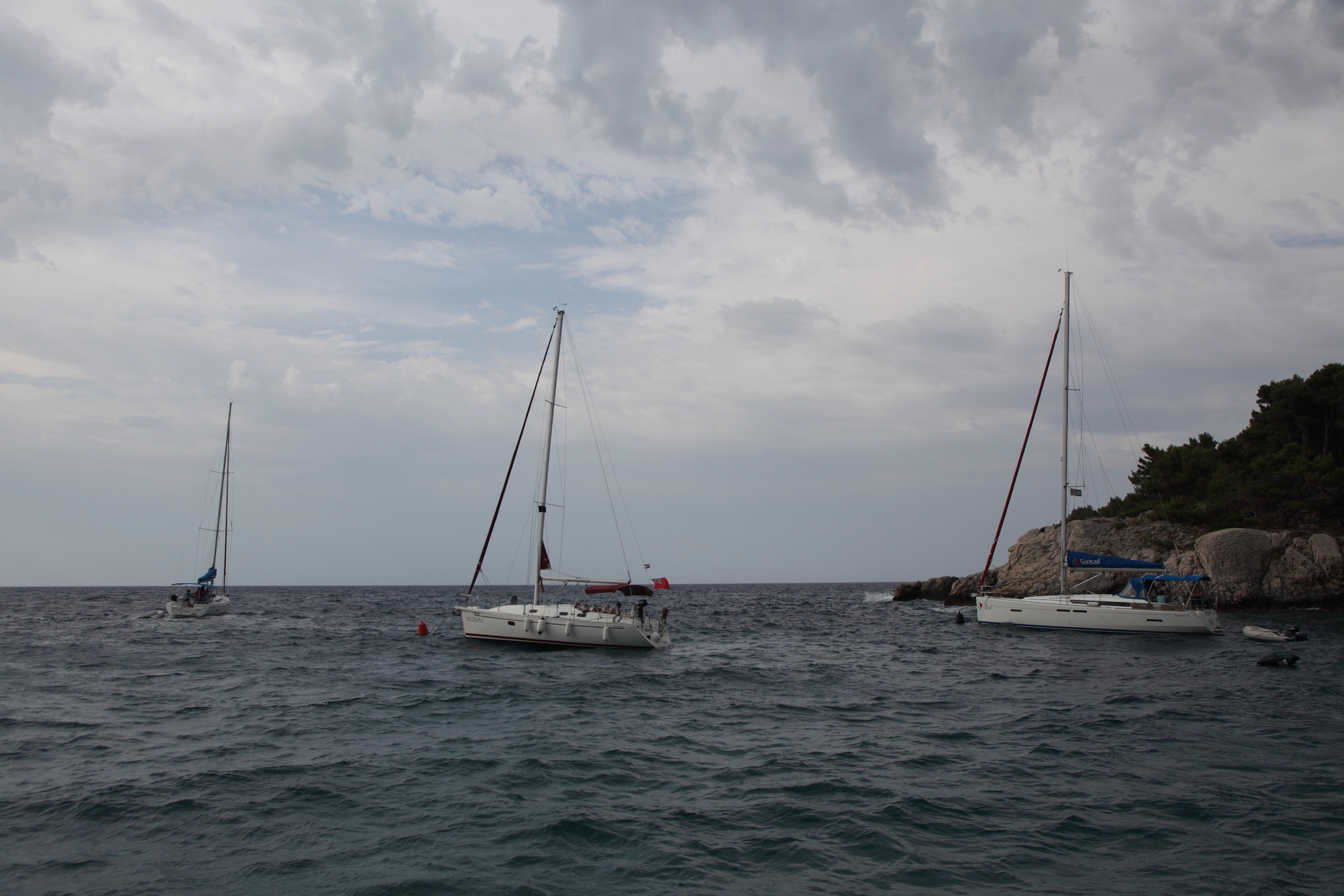
IMG_1894Not only are we in the wrong port, we are on the wrong side of the island. The right side is three hours away. That short sail doubles. It is not so easy to know where you are along the Dalmation coast. With over a thousand islands to choose from, being on the wrong side of one is not a surprise. That little mistake provided the perfect opportunity for sailing into the Croatian gem that is Korćula at the perfect golden hour. I am grateful for nautical miscalculations.


IMG_1923

Upon our arrival, the harbor master did not look pleased as he tossed the line. Something wasn’t working so he decided to change locations for what might be an easier slip. Not being a sailor, the new location looked much more difficult to me as he positioned us next to a very small boat, about the size of our dinghy, with very nervous owners aboard. This was a little like a Hummer trying to park next to a Smart Car with the added factor of rocking in the water. After small bumps, several re-tossing of lines and disentanglement from our anxious neighbors, we just fit. With storms again predicted, we were unlikely slip mates. Yet again, small storm, a flash of rain and the small boat escaped unharmed. In a large storm, it would have been smashed between two boats like a fly.

IMG_1972

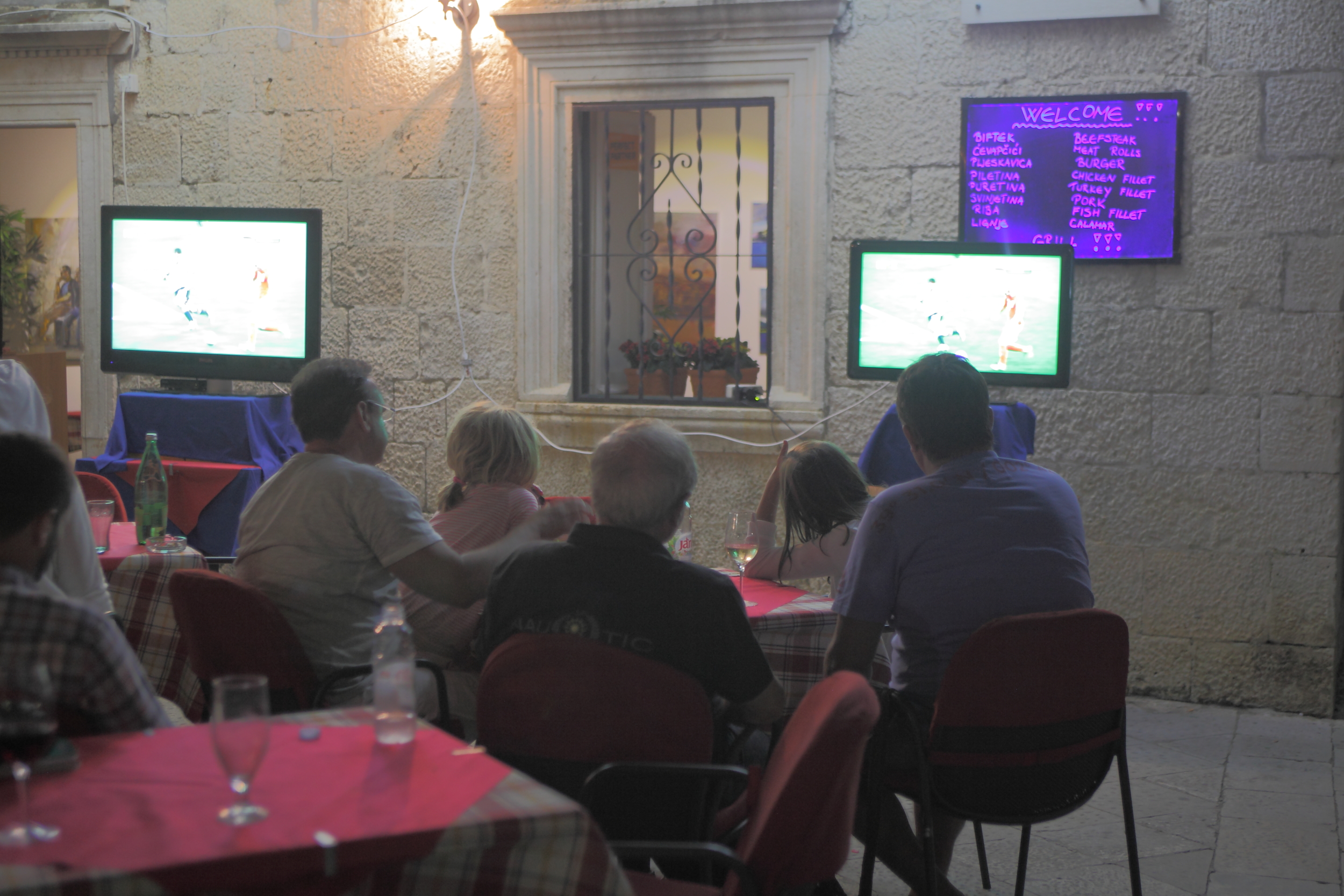
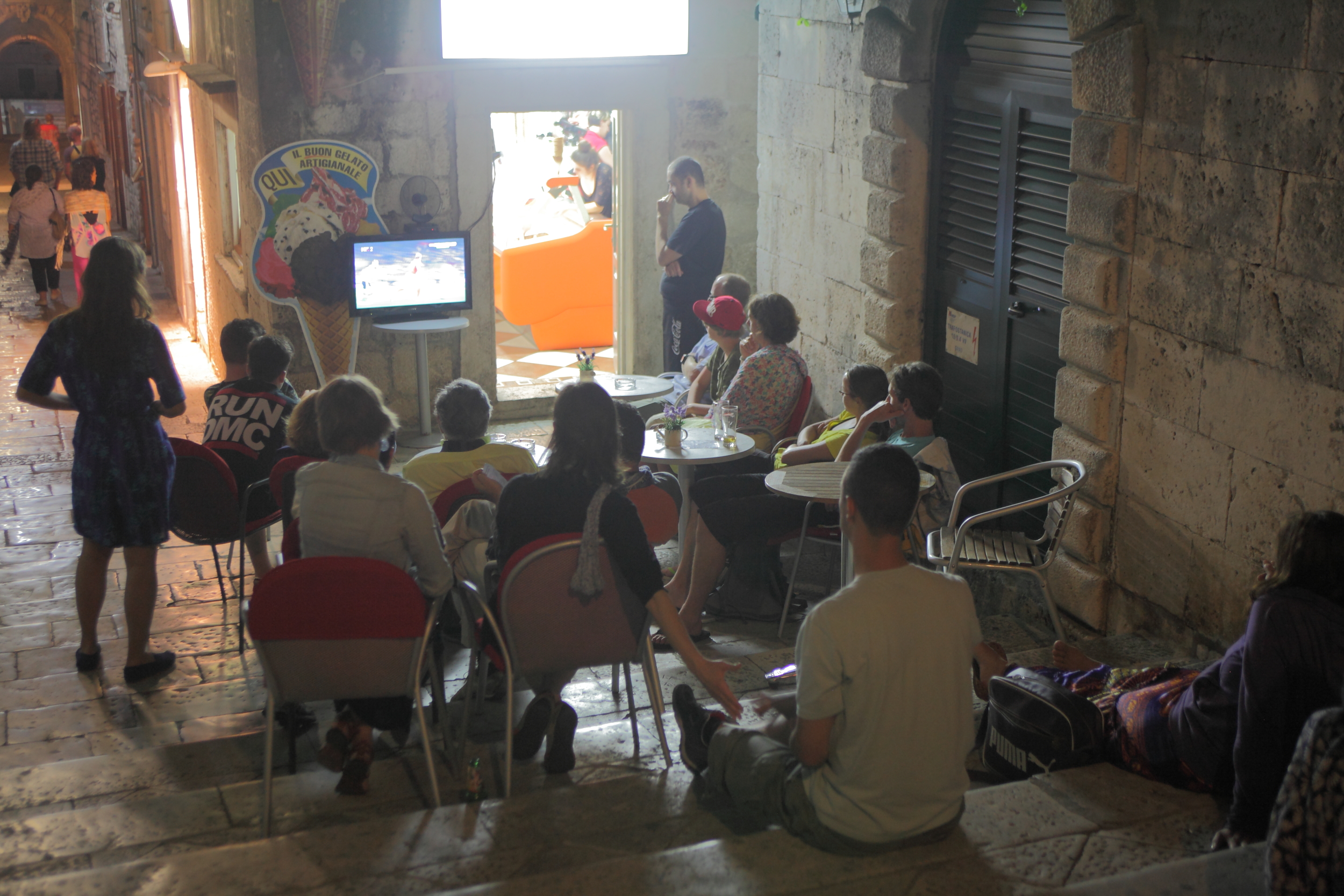
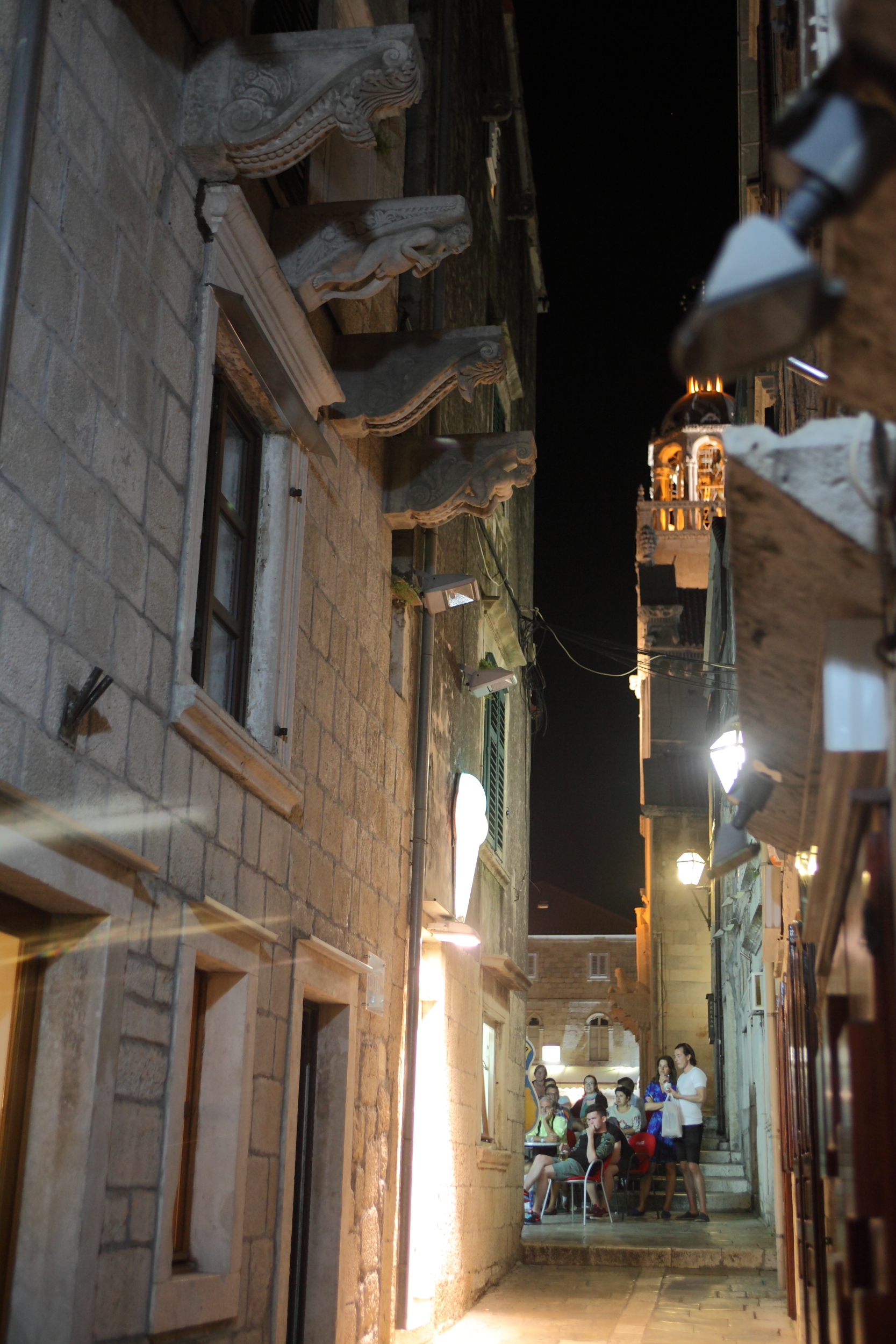
Off the boat for a sunset tour of this beautiful little city, a lovely garden dinner and a little people-watching of the locals–who turned out to be tourists completely absorbed in the World Cup but that’s another story.


IMG_1995IMG_2000IMG_2003

Any Port in the Storm

04 Thursday Sep 2014

Posted by jwpenley in Travel

≈ Leave a comment

Tags

Croatia, sailing, storms, yachts


IMG_1698


IMG_1673You know the situation is serious when both the group leader and the yacht’s experienced captain wear troubled expressions. No need to know the details, it’s enough to know there is trouble. We left our idyllic little cove early to reach the free marina in Hvar.


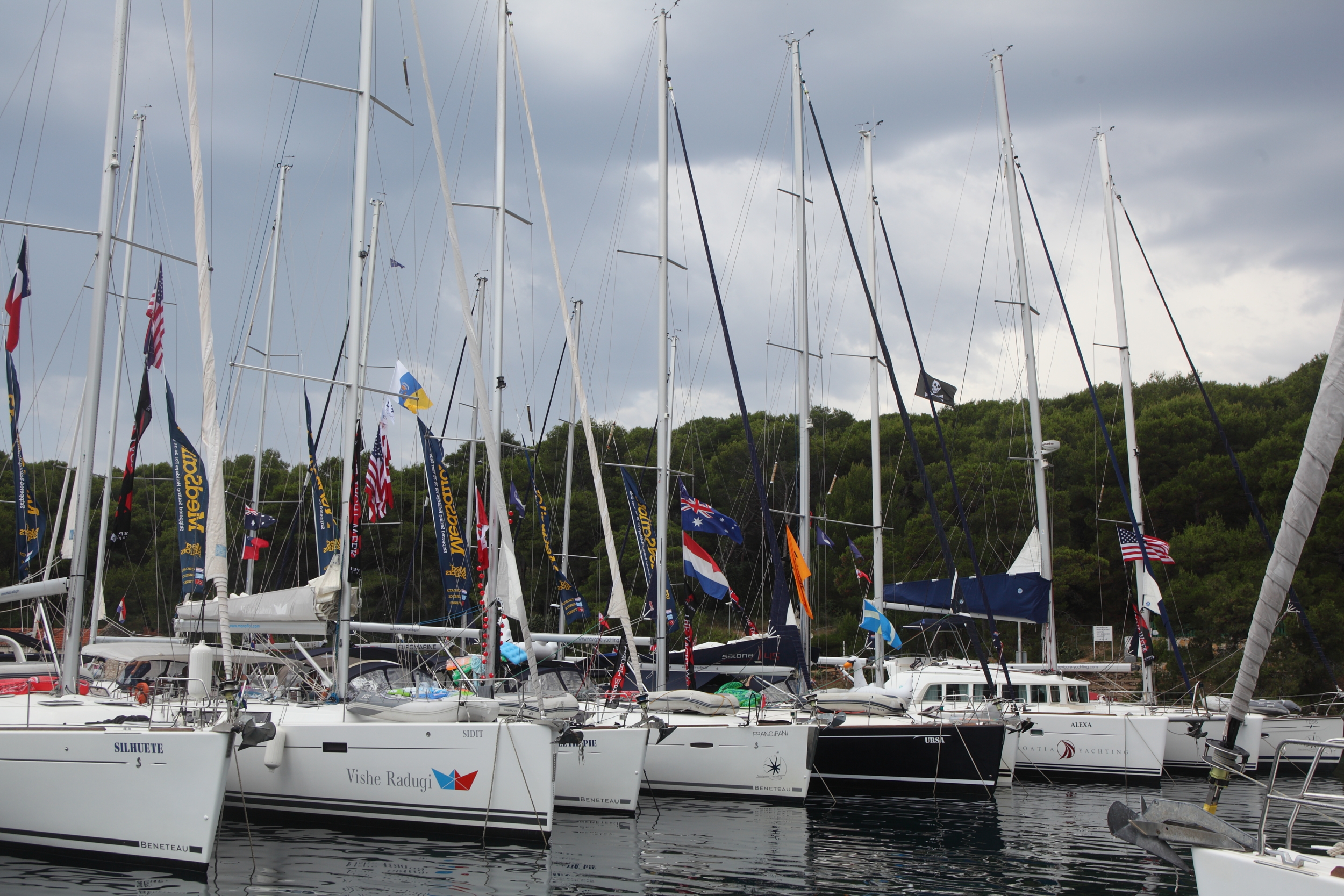
Storm clouds hovered as we pulled into the full-looking marina. We had been assured that there would be space in the morning as boats headed for other ports. What we hadn’t considered was the storm. No one was leaving. No one wanted to be out on the sea in the storm. The harbor master came out in his small boat, shaking his head. No room. So sorry. Storm’s coming, just to state the obvious.

IMG_1699


That’s when the facial expressions changed. What about St. Clements? Shake of the harbor master’s head again. Nope, the boat’s too big for that harbor. Alternatives? Ride out the storm or make a try for big boat, small marina. The skipper placed a call to St. Clements, discovered there was a free slot and went for it. Perhaps he told them the size of the boat, perhaps he just hoped they wouldn’t notice. Four to six feet on a sailboat can make a big difference. As we maneuvered into the marina, all activity stopped as Fleet Week revelers gathered to watch.

IMG_1705It was a tight turn and there was some skepticism about that extra length. The good skipper prevailed and we were set before the storm hit. As for the storm, it was short, wet but no roaring, wave-creating winds, nothing spectacular. In hindsight, we would have been all right at sea, but we wouldn’t have the no-room-in-the-inn/man, that-boat-is-way-too-big story.

Once Madras, now Chennai

20 Tuesday May 2014

Posted by jwpenley in Travel

≈ Leave a comment

Tags

autorickshaw, Chennai, India

IMG_8367

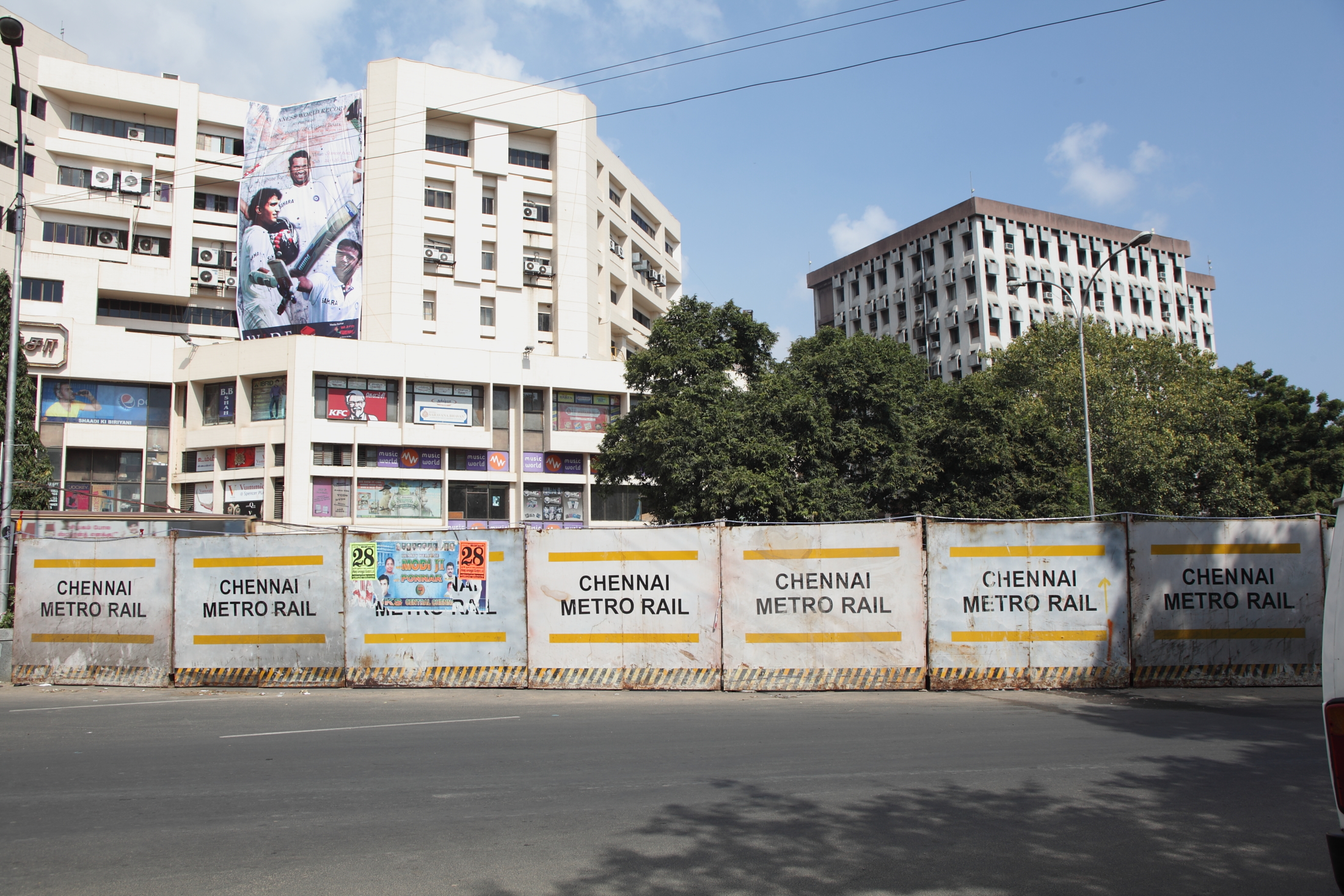
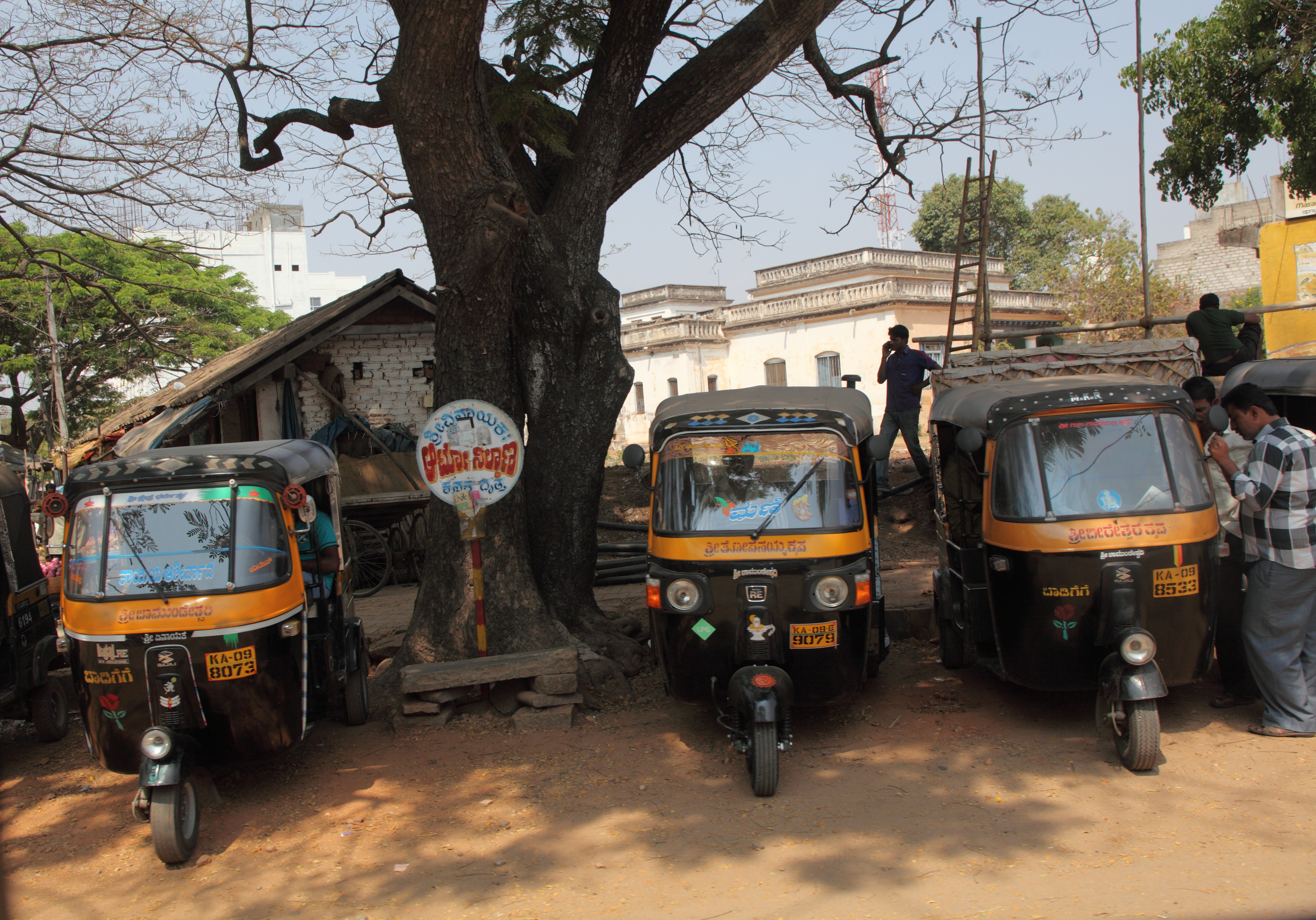
Two words best describe Chennai–under construction. Reminiscent of downtown SF and the extension of the MUNI, Chennai is building an extensive transportation system. How many autorickshaw (I prefer the TukTuk moniker used in Thailand) drivers are doomed?

The E Hotel. Attached to a super mall with decent coffee shops yet when I asked for the nearest shopping center, the man at the “everything” desk steered me to the older, Spencer Mall. Much further away, access was across an impossibly large and busy road and around that subway construction. A totally different yet more Indian experience. A mall with many kiosks of Indian chotskies, a Subway and a KFC plus the little stand where I went against all my travel-to-third-world rules and had a fresh strawberry/banana shake. Eight hours later and I am still fine so dodged that bullet.

Asking for the bar/lounge advertised in the “services” book of the hotel, I was informed that they await their license–and it sounded so good. Still, I have my doubts considering the silver-studded purple doors. Ended up at My Bar, the only one in the neighborhood. Flashing lights and two big screens offering the ultimate in Bollywood. Of course, only female in the room. Dark and the last place on earth to order wine. I didn’t. Had a Kingfisher beer and watched the movie with the “boys.”

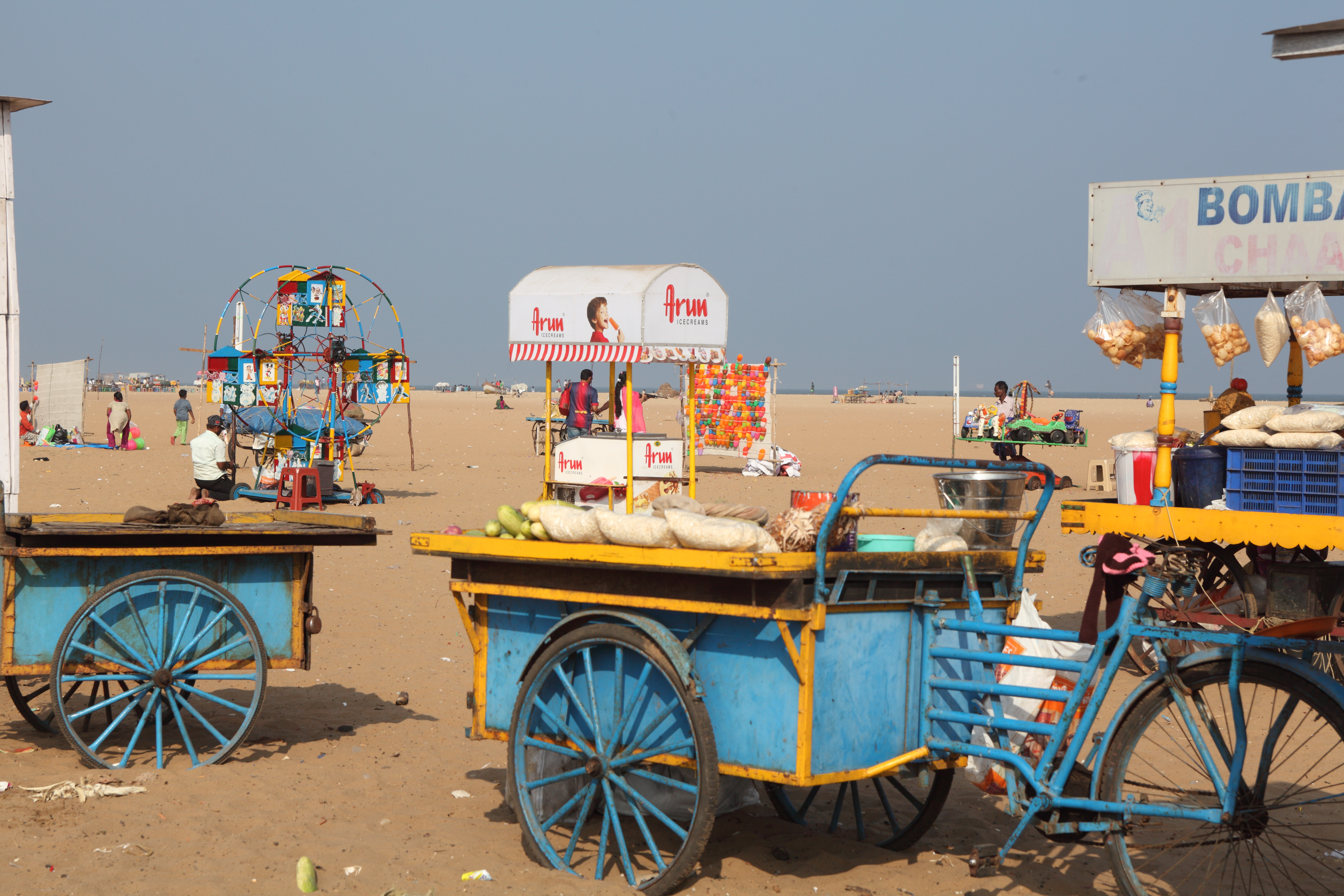
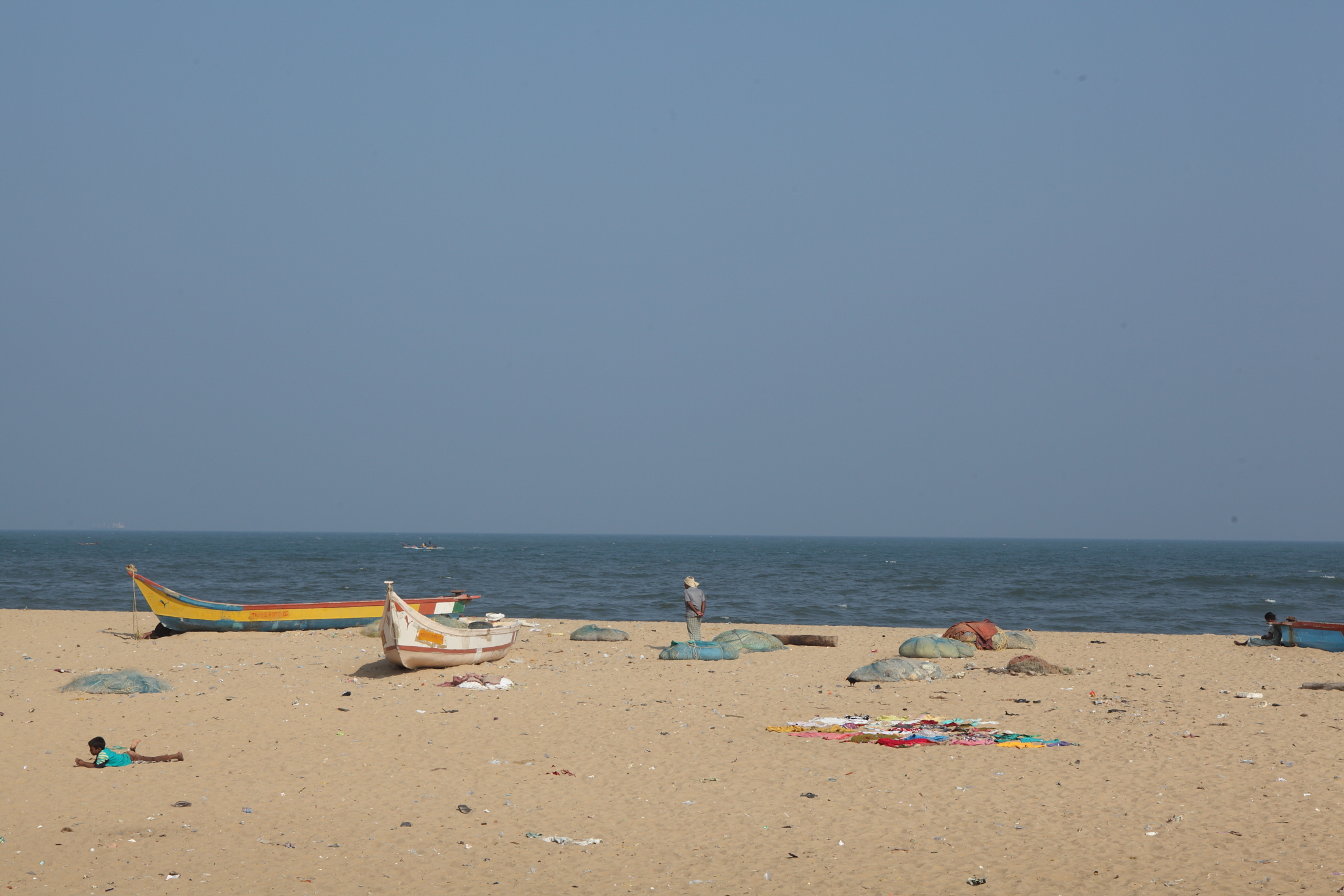
india215The beach in Chennai is no ordinary beach. It’s not a place filled with sunbathers and umbrellas. There are areas geared toward playtime, with food huts and rides. But there is a very long stretch that is home to hundreds, with makeshift shelters, some permanent structures, a grid pattern of streets. Life is happening here. There is easy access to the sea where many make their living off whatever they can harvest from the Bay of Bengal.

IMG_8449

india211

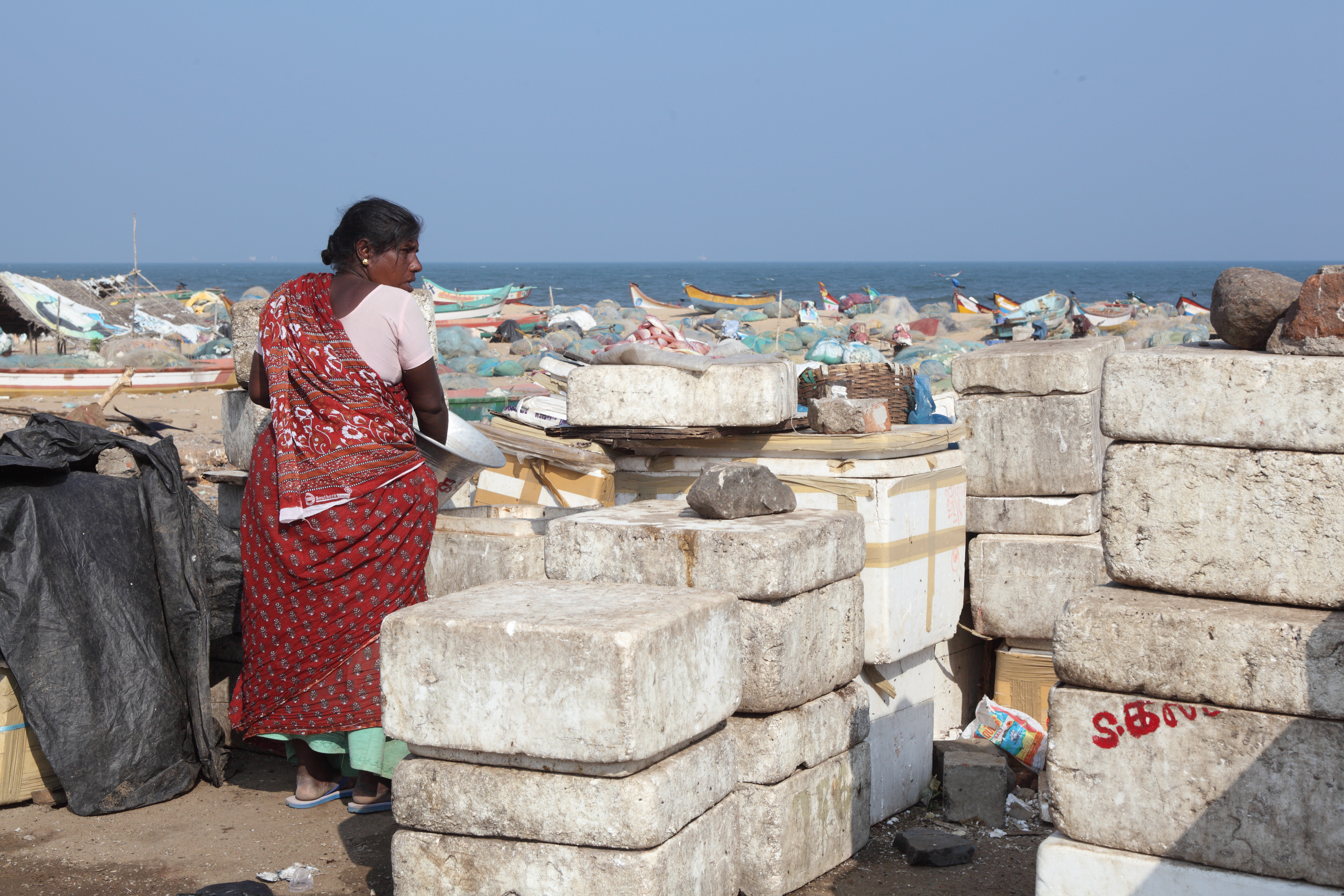
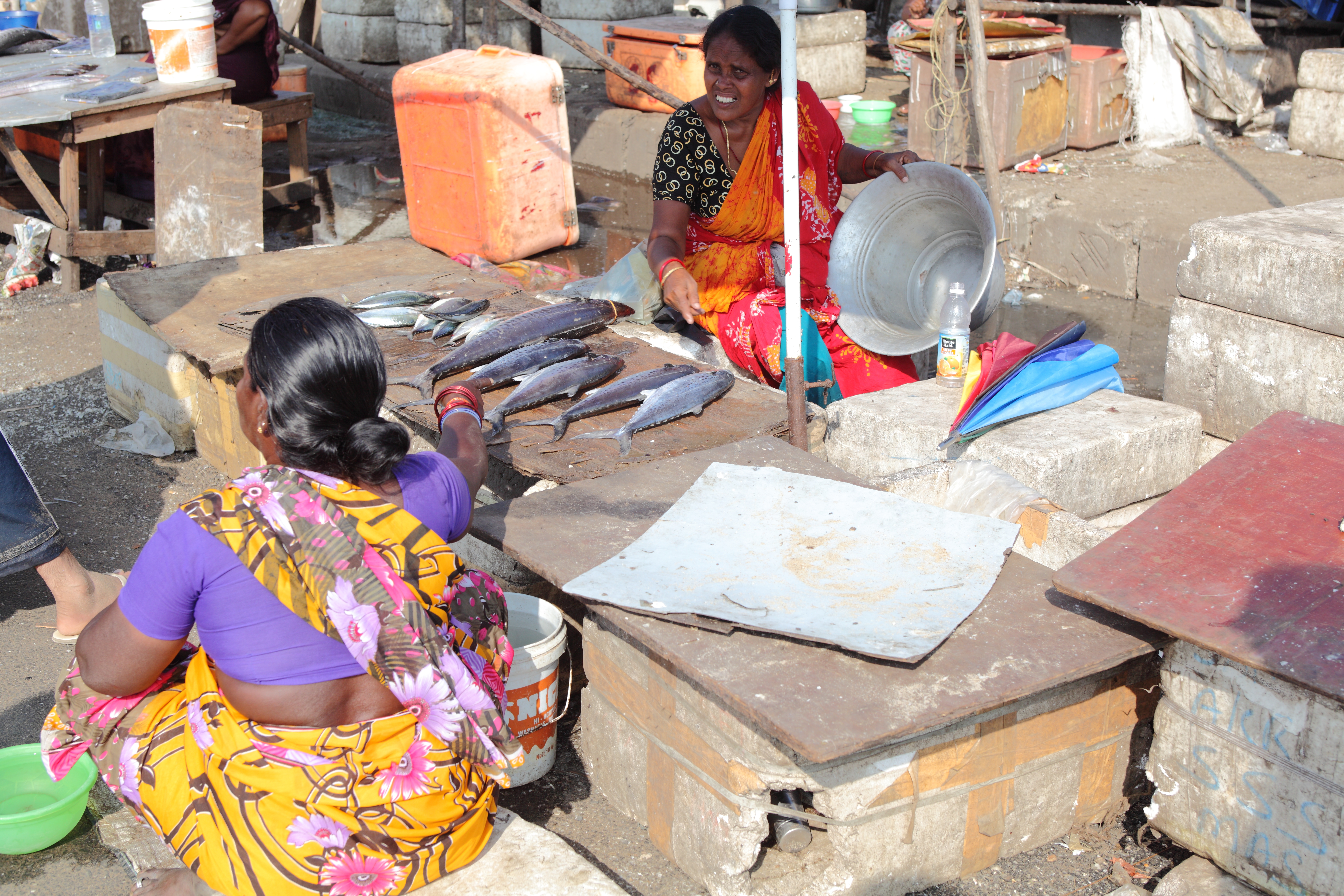
Styrofoam boxes line the walk ready to protect the catch of the day from the sun and heat. Women call to the passersby to check out their stalls, delineated only by stacks of those styrofoam boxes. Small boats line the water’s edge ready for the next day’s fishing expedition. There is no refrigeration, no ice, so I am skeptical that the afternoon display could be considered “fresh” and safe. Still, sales continue but deals are in abundance. A young couple happily carried off a large fish, type unknown to me, but for them, a real find. I hope they ate it without incident.


india210

The cacophony of horns, arms grabbed by beggars and TukTuk drivers who won’t take no for an answer. Yep. This is India!!

IMG_9403

Sometimes it’s nice to be a cow

14 Monday Apr 2014

Posted by jwpenley in Travel

≈ Leave a comment

Tags

Cows, India, Nandi, Switzerland

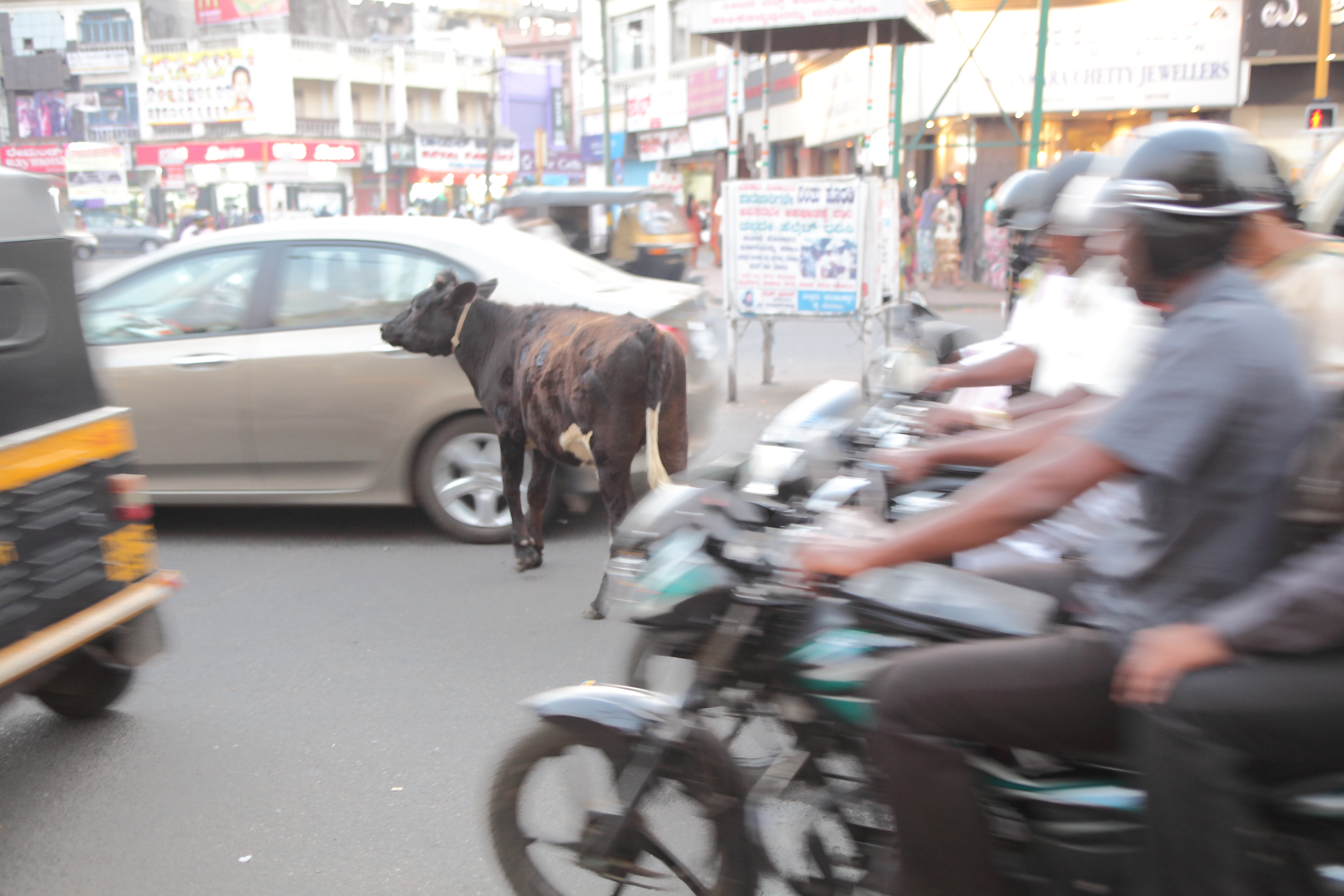
india250Seeing a cow (and I use that as a generic term for bovines, male and female)  making its way through traffic is a startling sight. Perhaps not so startling to Indians who see this every day, but to me not a customary sight and I continue to find it bizarre and interesting. So, I follow cows looking for the perfect photo opportunity. By now, I should know that the opportunity rarely arises while following the cow. Rather, when they sneak up on you or are spotted in a doorway or fighting the motorbikes.

india251IMG_9437

These cows are peaceful, even a bit lazy, sifting through the trash for food or lolling against the fence in the middle of a busy thruway. Nothing disturbs them, not car horns, bus near-misses, tourists with cameras. Just doing their thing whenever and wherever they please.

IMG_9406 (2)

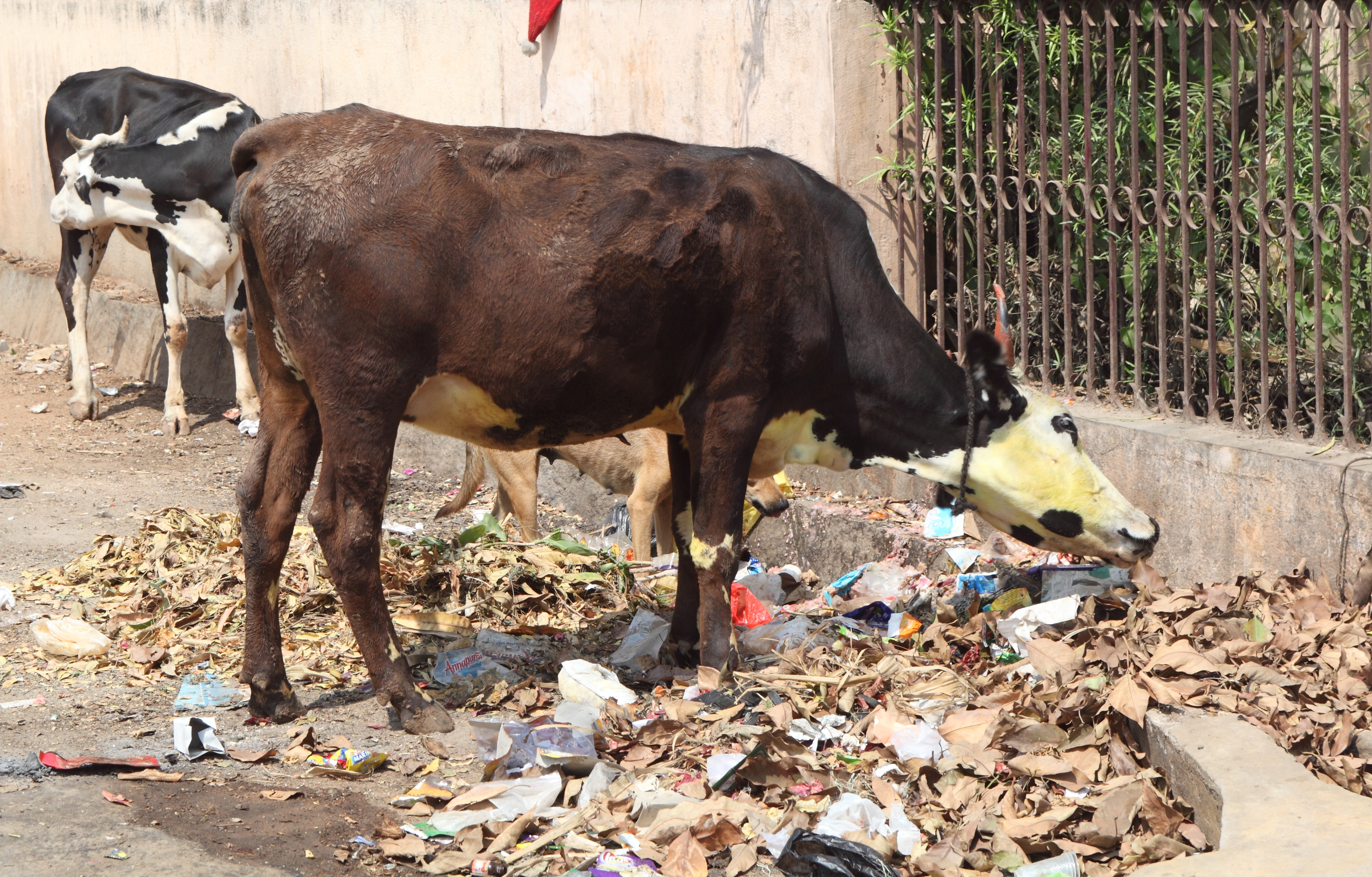
Cows in India compete with the dogs for the best trash finds. Garbage is ubiquitous in India so there is no shortage of piles for searching. There is usually something edible for everyone. The lucky few live in Mysore where the night market garbage is piled in one spot and, after the market closes, doors are opened wide for the cows to enter and feast on fresh fruits and vegetable.


IMG_9388Life is not always good for the cow in India. The city cows scavenge for their food and tend toward the scrawny. The country ones may get food, but labor long hours and carry heavy loads.  Some of the cows have owners, others fend for themselves. One is hardly distinguishable from the other except, perhaps, those with owners have a place to go at night. Mostly, they just plop down wherever they are and traffic, foot and car, goes around them. It gives new meaning to the term “free range.”

india249


india253

Do not hurt a cow in India! While “holy” is a questionable description, they are a symbol of life, a giver of life, respected if not worshiped, never eaten and great care is taken to do them no harm. Doing so can result in a jail sentence.  There is a holy cow, actually a bull, the god, Nandi, mount of Shiva, who frequently guards temples and, many believe, grants wishes especially on the fertility front, but that does not make every cow a god. However, they are often bedecked with garlands of flowers, painted horns, and colored dyes and they definitely have the right of way.

IMG_4905Would it be better to be a cow in Switzerland, where cows roam the hillsides in the incredibly fresh air nibbling the grass and with a place to go at night? Maybe.  Then again, the Swiss eat beef.

Yet another temple

01 Tuesday Apr 2014

Posted by jwpenley in Travel

≈ Leave a comment

Tags

Buddhist, Hindu, India, Myanmar, temples

india275Just when you think another temple cannot be endured, there it is. Not like any other temple on any other trip. Maybe it’s the magic inside or made of an unexpected material, or hanging off a rock. Rarely does a written description do justice. Up close and in person is the only way.

The Hindus have complicated and intricate stories attached to their temples. The Buddhists love gold. Hindu temples have myriad gods, some the same god with different names or personalities. Called something different if they are angry or remorseful or playful–dancing, teaching, smiting with large swords. Cows wearing garlands or elephants in scarves stand in greeting at entrances. Intricate carvings adorn both the inside and, especially, the outside.

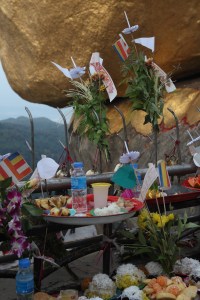
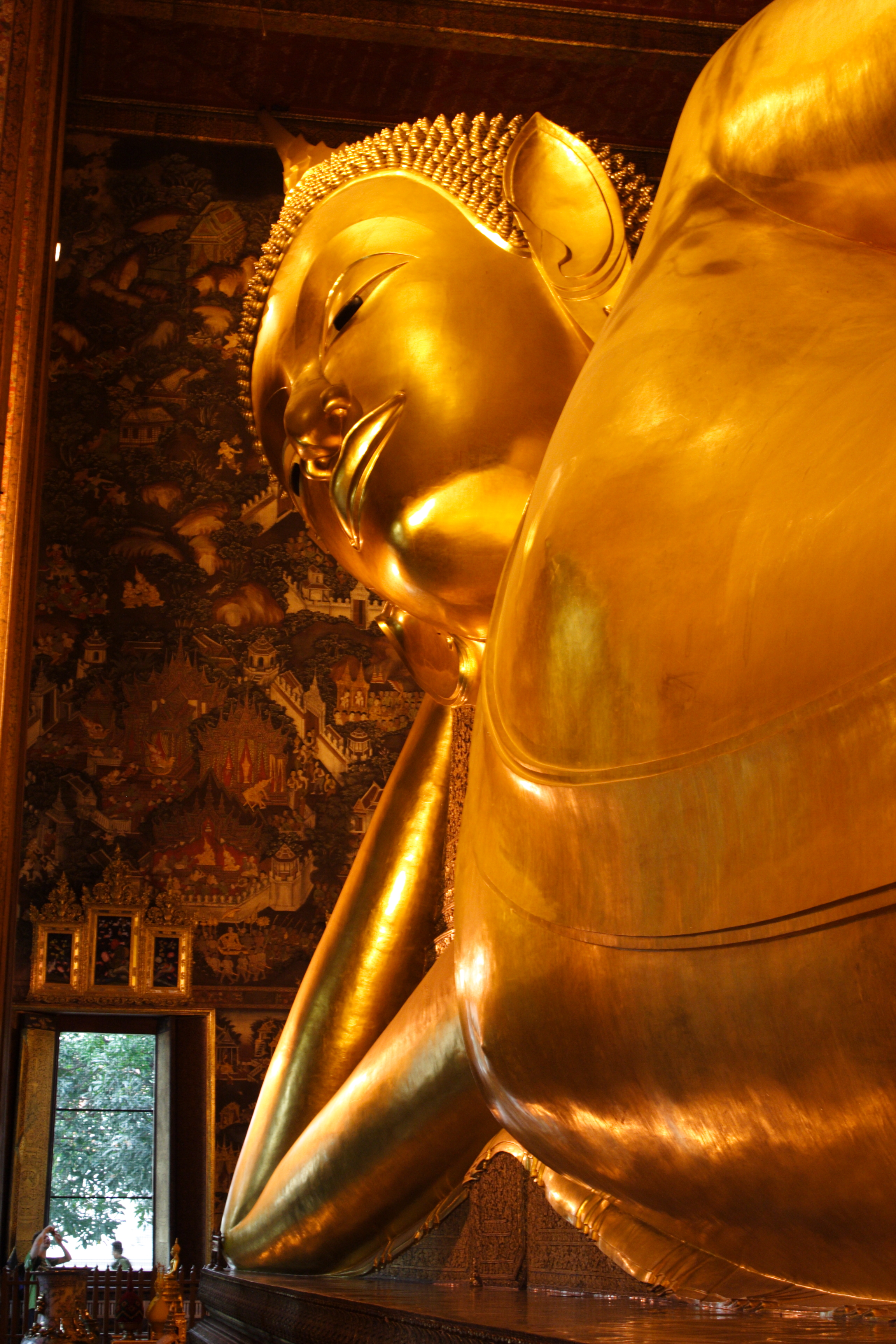
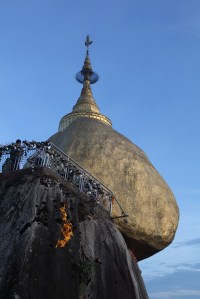
Buddhist temples are filled with golden images of Buddha. Standing Buddhas, reclining Buddhas, small and extremely large Buddhas. Reclining Buddhas that would fill a high school gymnasium. The preferred method of honoring is to place bits of gold-leaf on statues or, in the case of the Golden Rock, on a rock. Some have been honored so many times over the centuries that their earlier form is obliterated, become a rounded blob of gold-leaf.  Multi-colored flags are a major display.
IMG_7830-1


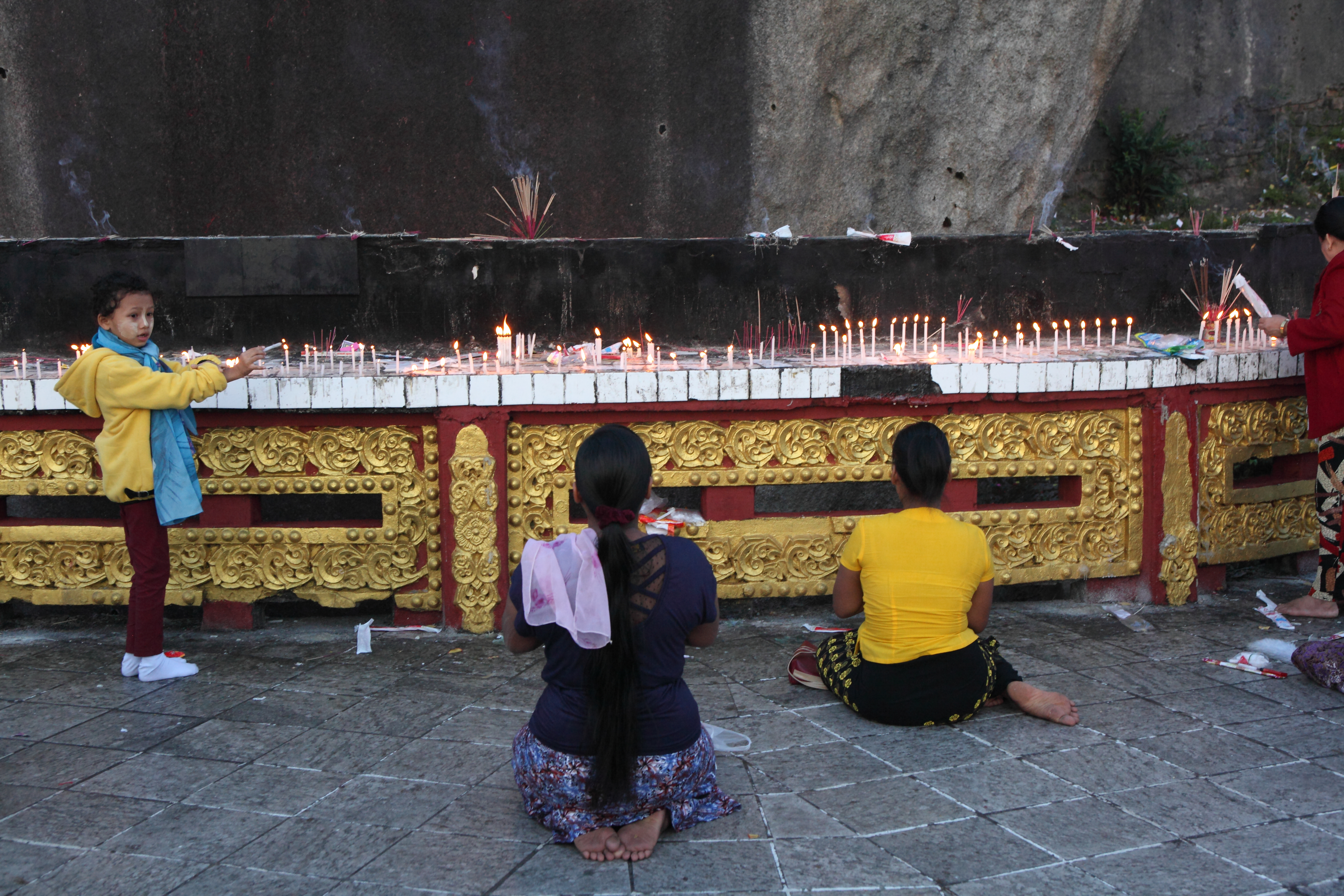
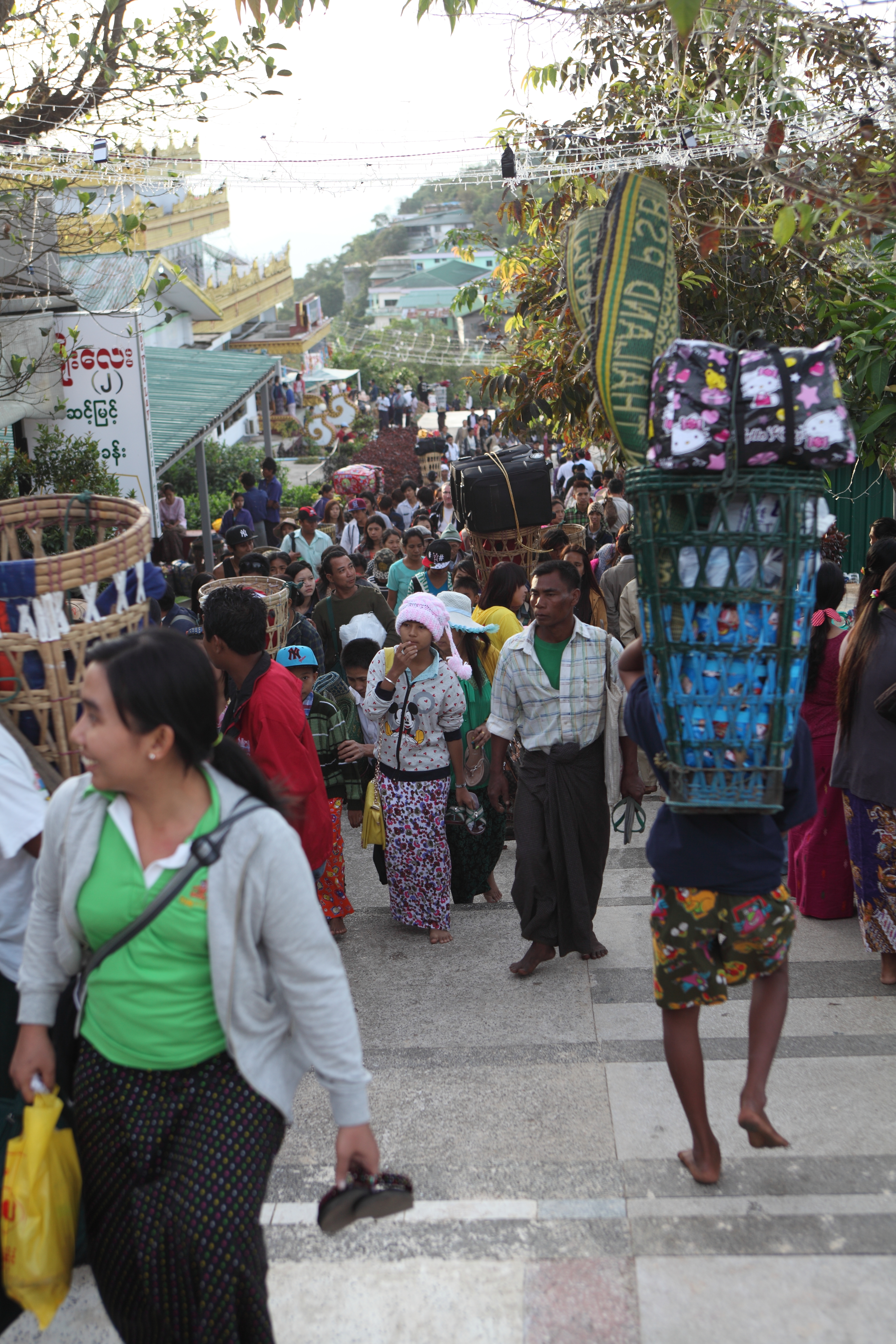
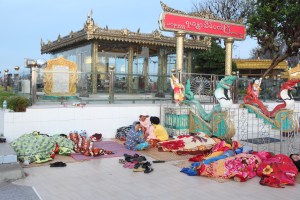
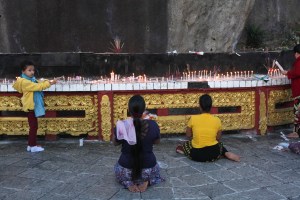
Four of my recent favorites are one in Myanmar and three in India, two Buddhist and two Hindu. In Myanmar, one might be tempted to skip the Golden Rock. It is highly touted and considered very “touristy.” It is. So what? The crowds are huge because it is a very holy place and the atmosphere is one of celebration, a festival, family reunion, a giant thanksgiving around an enormous, gold-leaf-encrusted balancing rock. The party goes on all night. Candle offerings and, in the morning, elaborate plates of fresh fruit and flowers bedeck the various prayer sites. People come with food and bedding. This is an all-nighter. The truly prepared bring tents.
IMG_7919IMG_7866

IMG_7935


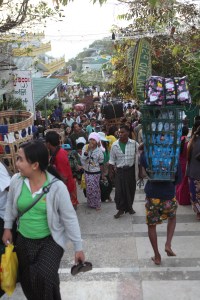
When the sun rises the packing up begins. People with baskets offer to carry goods down the hill for a fee. As the descent begins, there is an equally large crowd ascending for yet another night at the Rock. Go. Stay at the top so as to not miss the best parts–sunset and sunrise–and all the festivities in between.
IMG_7965

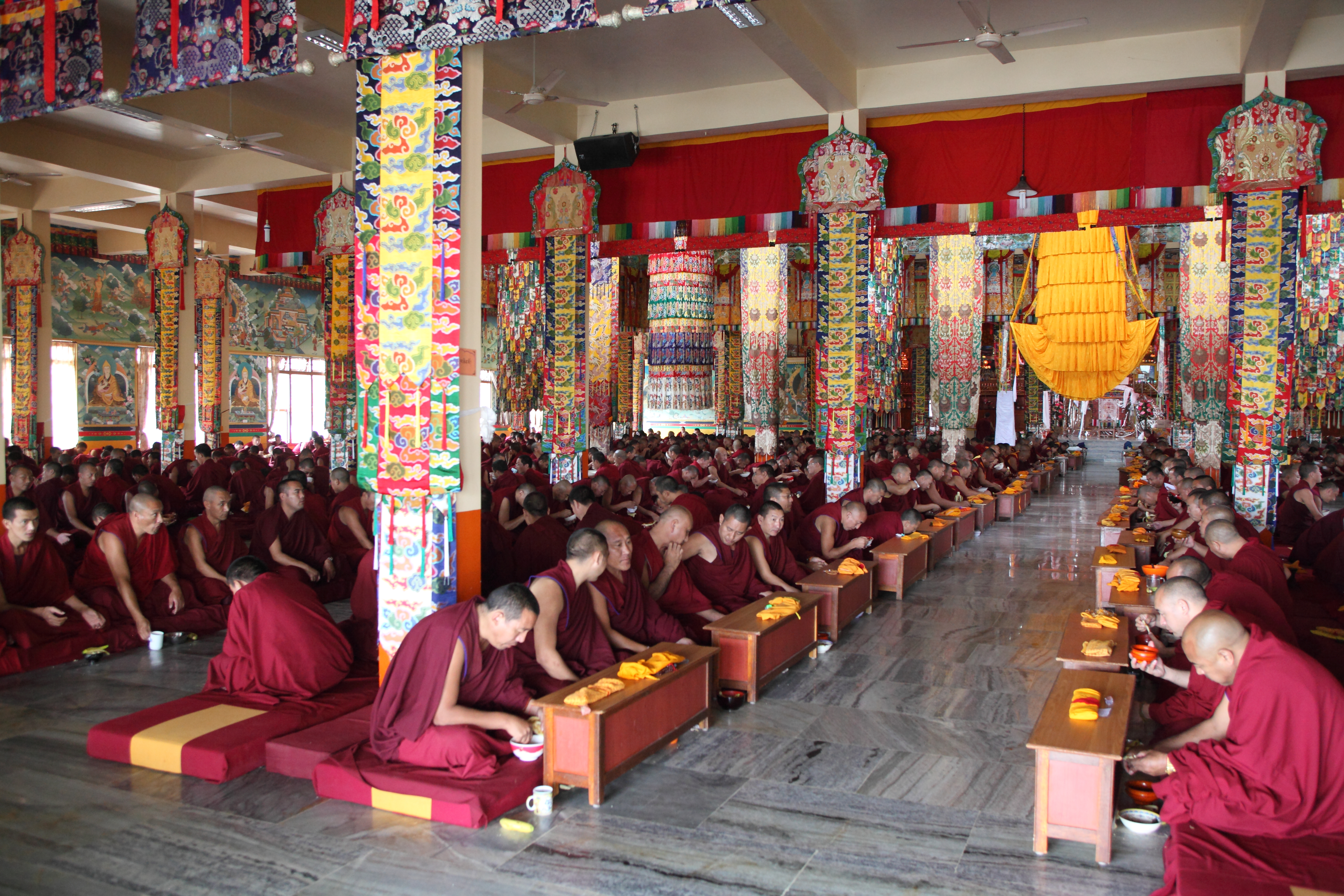
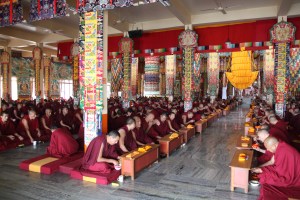
The other Buddhist site was Tibetan but in India. There is a territory in Karnataka state that was offered as shelter to Tibetan refugees. A humanitarian gesture after the 1959 exodus. Several communities have built up over the years with temples and monasteries. I was privileged to visit one of the monasteries, Sera Je, and the temple where lunch was being served to 500+ monks. The large space was filled to capacity, a vision of red, the monks’ robes and the hanging flags and banners, with the occasional yellow accent. Food and the sharing of food is an integral part of the religion along with chanting. An unforgettable memory, that sight of the filled temple vibrating first with the chanting then with the chatter of people sharing a meal.
india283

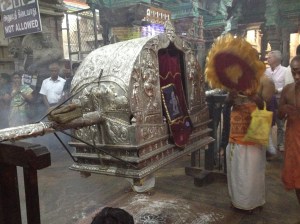
The major Hindu temple in Madurai is the place to be for the closing evening ceremony of carrying the statue of Sundareshwarar to the bedchamber of Meenakshi.  There is a long, complex story attached to this service but basically it is about getting Sundareshwarar’s consort, Meenakshi, from his temple to hers so they can spend the night together. This entails lengthy preparations and a remarkable procession. The guards are very strict upon entering the temple. Women and men are separated and patted down, my Kindle was examined cautiously and suspiciously until I showed the woman guard that it was a book. But the camera? Had to be checked along with the shoes. Cell phone? No problem. Camera-less, I was frustrated by all the tourists with cell phones and iPads taking photos. The tour leader informed us that cell phone photos were fine. What, this has nothing to do with not allowing photographs, just no obvious cameras? Peculiar but I took him at his word and managed a few shots–until I saw the large sign with the drawing of a cell phone with a big X on it.
061-1

Nick of time photo, this. When visiting this temple, best to enter with the now strange idea of just watching something, engaging with it, letting oneself get involved with what is actually happening. You will like the experience.


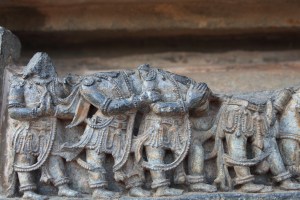
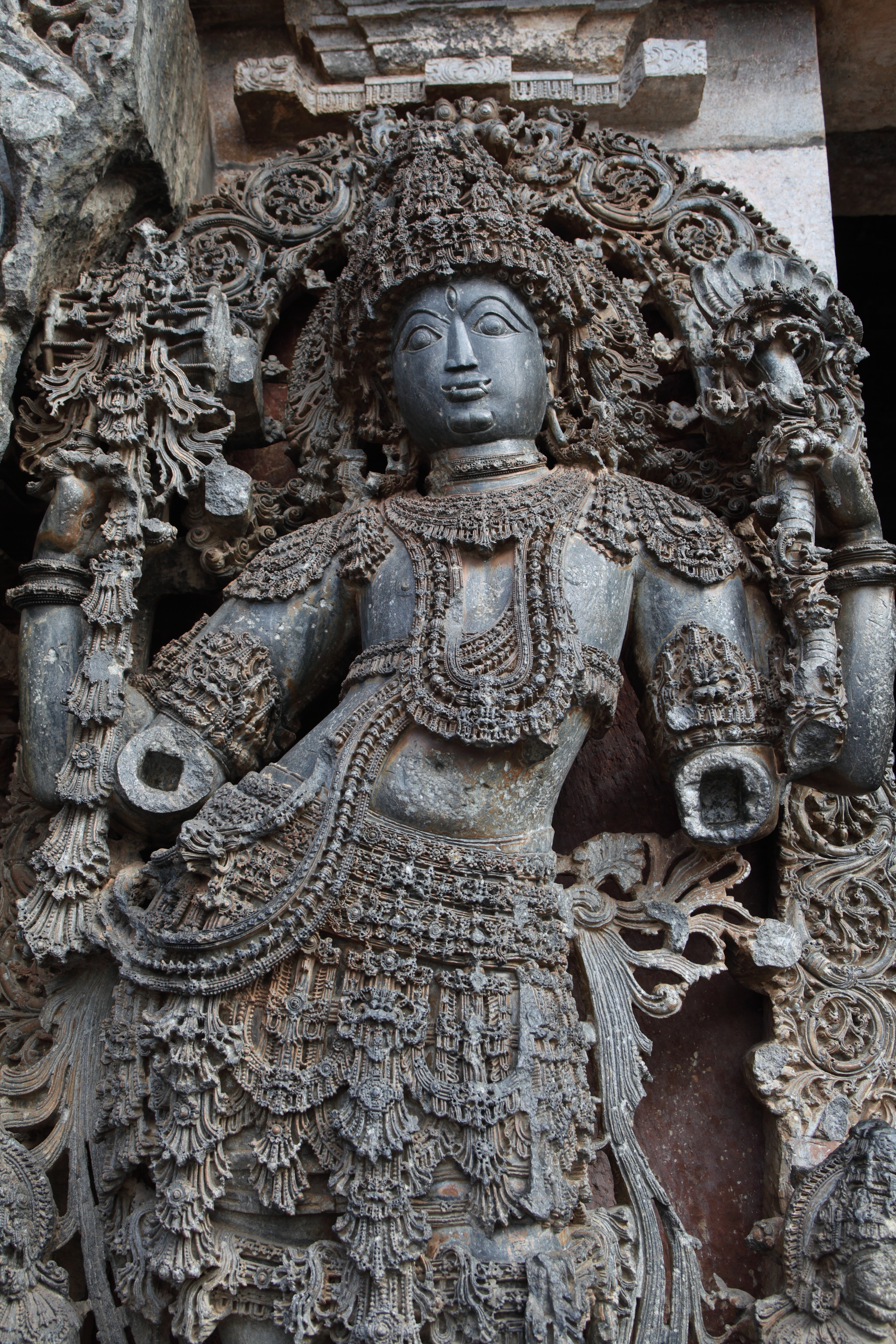
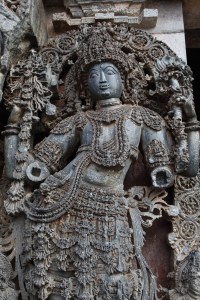
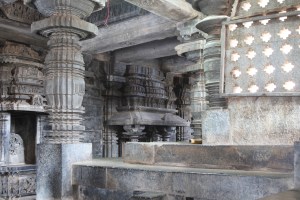
In Hassan there is an 11th century temple carved from soapstone. Most temples have granite bases and the detailed work is made from sandstone or molded and plastered brick. Forms frequently painted, every twelve to fifteen years according to Hindu cycles of refurbishing or rebirth. This entire temple is carved soapstone. There is no painting. Pillars have been spun on their sides and carved as one would a tree on a lathe. The detail on all the figures is remarkable, down to the individual beads on a necklace. The carvings all tell a story.
india276india277

temple43

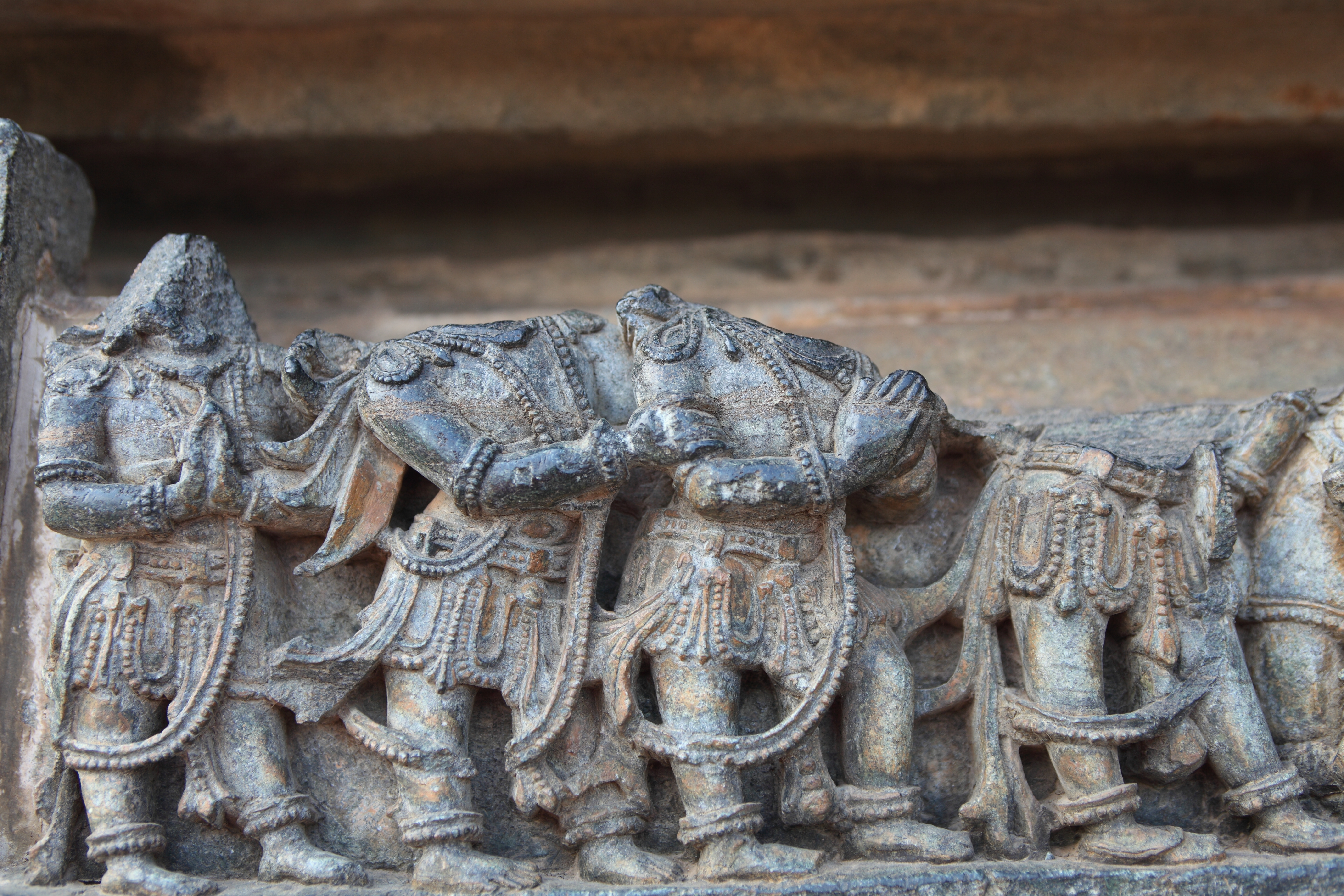
Some of the soldiers lost their heads when the Moguls invaded which is another, unintended story. Fortunately, they appear to have tired of the destruction and left most intact. I’m still wrestling with the idea of a 37 meter (121 foot) high temple carved from soapstone, a soft, easily carved material generally used for small statues, maybe even large, but not temple-sized. How has it survived for more than a thousand years?

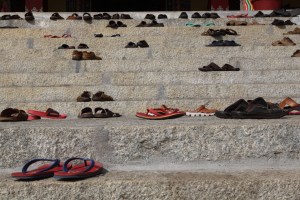
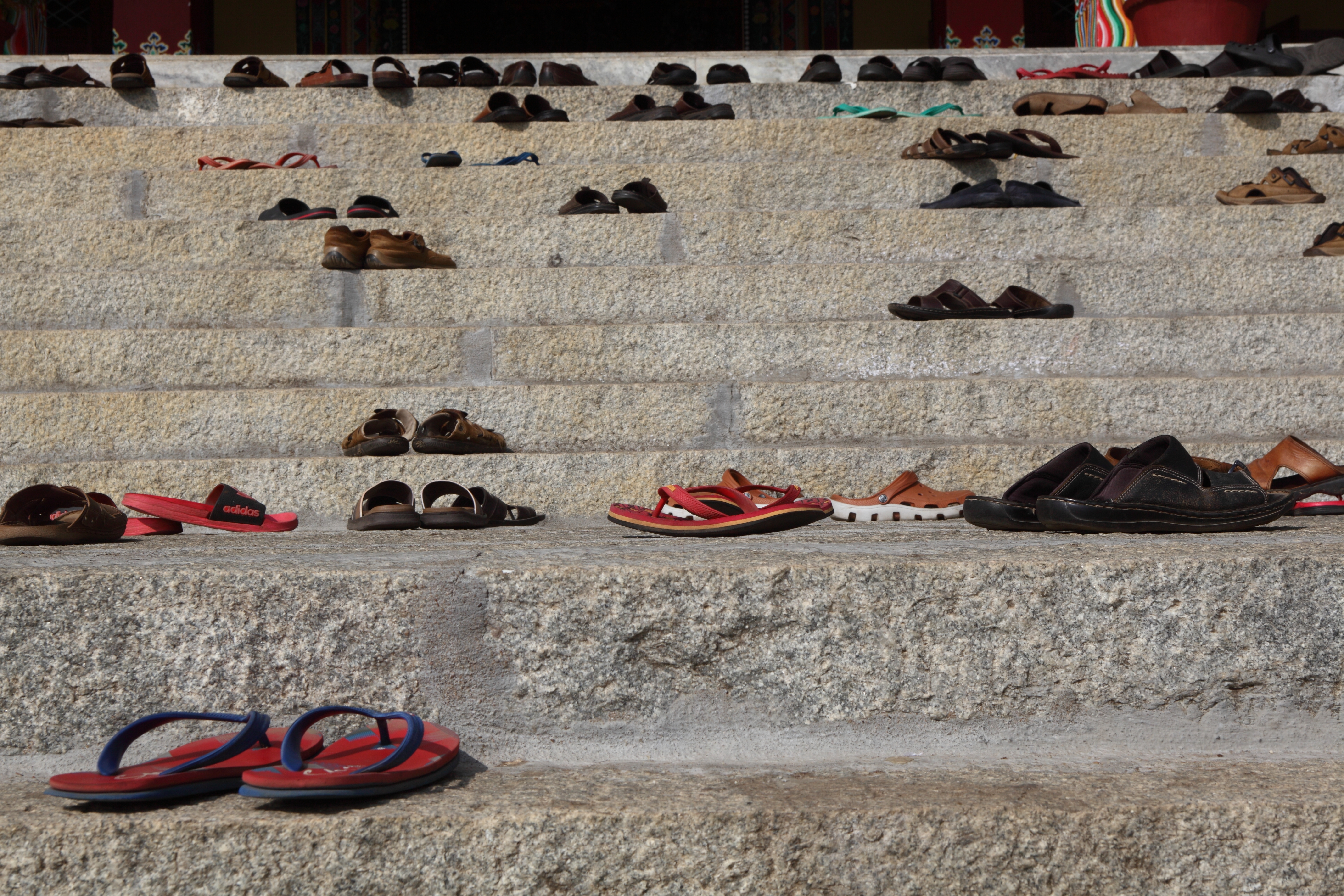
When you are traveling through Buddhist and Hindu countries, my advice, don’t write off yet another temple until you’ve taken a close look, peeked inside, waited for the next ceremony. Look for the shoes. If there is a large collection outside, you can be certain something big is going on inside. Step in. You might be surprised.
india281

The Art of the Massage

03 Monday Mar 2014

Posted by jwpenley in Travel

≈ 2 Comments

Tags

Asia, India, massages, Thailand

IMG_4446When I travel to Asian countries, I treat myself, as often as possible, to a massage. Massage is a part of the Asian culture and, as such, one can get very good massages very cheaply. I came to enjoy massages late in life–well, after the first shiatsu massage in Japan at 20 that left my shoulders aching for weeks and led to a determination to never have another. My attitude adjustment came in the lovely town of Chewton Glen. Hardly Asia but bucolic England where I was given a gift of an aromatherapy massage. I was hooked.

Many massages followed but the best and most varied have been a part of my Asian travels. Oil or not. Naked or not. Full body or not. Just the legs or the shoulders or the head! Hot stones or strong hands. I did opt out of the cupping which I do not regret after seeing the lumpy bruises of the brave souls who did try it. I have also avoided the “questionable” places of tabloid fame. What has become a favorite endeavor is to see how many massages can be worked into a crowded itinerary.

The best source, by far, in any of my travels, remains Sakai, the massage seeker par excellence and outstanding tour leader on a trip to Southeast Asia. The best thing to do was to stalk him when we came to a new town. He would always get a massage and he always knew the very best places. None in any travel books, of course. None of them luxurious. But, oh what massages. My personal favorite was the women’s prison in Chiang Mai where the women were on a work-release program, crossing the street every morning to learn the trade of massage. Most were serving time for drug transporting across the border and would be doomed to repeat the crime unless they found a way to survive on their own. I’m hoping that the program is a success and ongoing. They were a chatty, cheerful group.

bangkok51The largest “community” massage took place at Wat Pho in Bangkok. This is a massage school and anyone can sign up to join the crowd and have the students practice on you. This can be a good or a bad thing. It takes place in a large open-air room,  the floor wall to wall with mats. Fully clothed, you are led to a mat where an instructor and a student await. Part of the fun is watching what is happening to others. Which students are the most capable, which ones are causing pain, which ones are merely going through the motions. It’s a bit like going to a beauty school for your haircuts.

beach chairs340

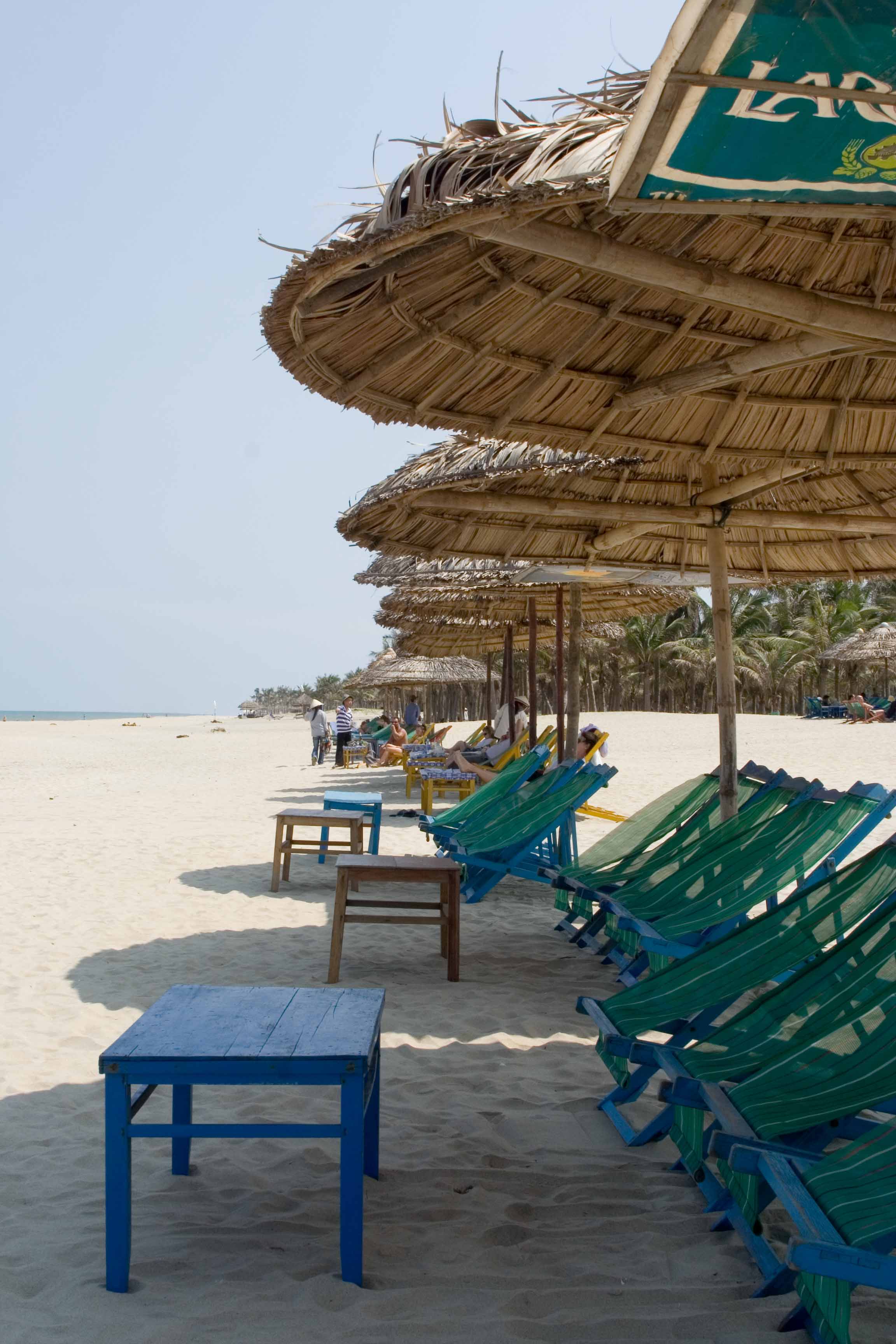
There have been massages on mats laid out on the beach, in small, intensely hot little huts and lying on tables hidden by curtains wafting in the breeze. I’ve been walked on, pummeled, stretched beyond any reason, cried out in pain (my friend thought I was being tortured in Siem Riep) and, more often, entered into a delicious state of full relaxation and comfort. Always wanting more.

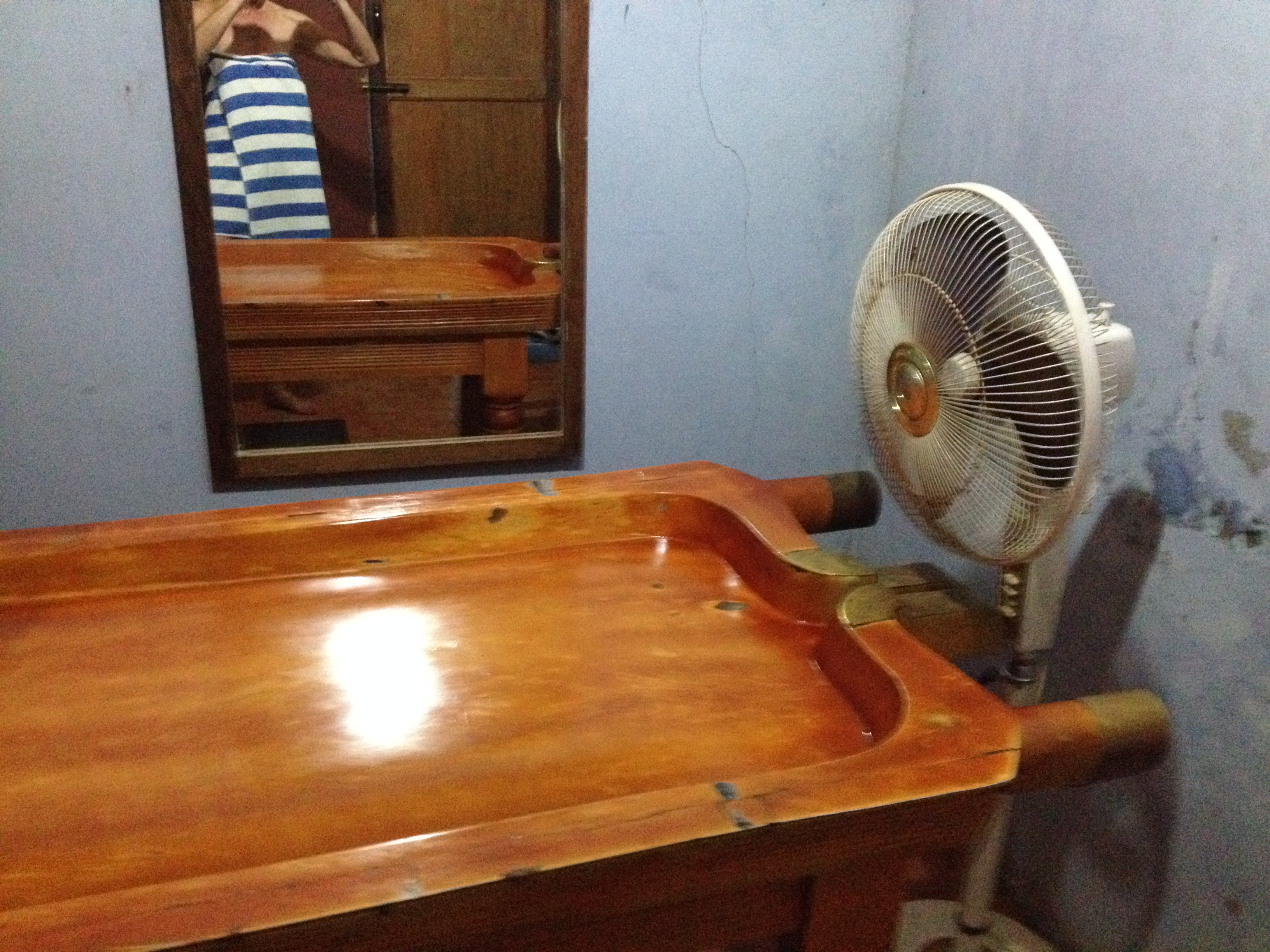
038The most recent is the experience of the ayurvedic massage. With oil. Lots of oil. More oil than I have ever seen outside an Italian cold-press olive oil factory. The massage begins with me seated on a bench wearing only a pair of disposable underwear. The masseuse takes a bowl of oil and pours it on the top of my head and grabs hold massaging deep and hard. She pulls and flicks the hair and finally advises me to climb up on the table. The first experience is on an ancient wooden table–no cover, no mat, no pillow. It’s hard! She proceeds to pour on more oil. As I lie on my back, she rubs the oil all over. There is no muscle-work going on here. Just smearing oil everywhere. Not what I expected but it still feels good. When she has finished with that side, I am instructed to turn over on my stomach. Easy for her to say. There is no way I can get a purchase on the oil-slick wooden table. I am sliding from side to side not a little amused by how helpless I am. Together, we finally manipulate the turn and she begins work, i.e., more pouring of oil on the un-oiled parts of my body and more rubbing. As the table cuts into my knee, I am relieved when she indicates that time is up. Still, a largely relaxing and enjoyable experience, albeit requiring two showers to remove the oil.

I’m in India. Ayurvedic is the way to go so I am willing to try again. This time, a quick perusal of the space tells me this is more modern–there is a mat on the table–a good sign. The ritual is the same. Miniscule covering, (a diaper-like cloth with a “why bother” feel) bench, oil on head, instruction to climb onto the table; but the mat makes a tremendous difference in comfort. Still, sliding on the table is part of the experience. This time, I am asked to edge to the top of the table so my head and shoulders can be reached. No way. I can only wallow in oil as my heels slip on the mat. So the giggling masseuse grabs my hands and pulls. Slide, I do. The finish is different this time. I am eased off the mat, well basted and ready to be cooked. Well, steamed, at least. A quick shot of a potion of I-know-not-what and I’m hustled into the old-fashioned steam box–reminiscent of a New Yorker cartoon, towel around the neck and all. I steam, relaxed and satisfied.  Now I have been walked on, pummeled, stretched and cooked.

107

What next?  Perhaps a roll in the snow.  Maybe Mongolia!

Travel with a Cause

11 Saturday Jan 2014

Posted by jwpenley in Travel

≈ 1 Comment

Tags

bricks, building, Habitat for Humanity, Sri Lanka

IMG_6550

I have never laid brick before. Everything from laying rebar, to waterproofing, installing sheet rock, spackling and painting, but never brick. I’m not a carpenter or builder but, after a few volunteer days with Habitat for Humanity, I was ready to go international and found that they had opportunities to help locals build houses. Why wouldn’t I want to do that? I love to travel and working in a community was appealing. As an extension of a trip to Indonesia, Sri Lanka became the destination. After all, I was in the area, generally speaking.

What does it mean to build a house in Sri Lanka? It is a community affair. The village was tiny. Really just a few families living in proximity to one another, no stores, malls, markets. A long, rough ride in a van from our accommodations.
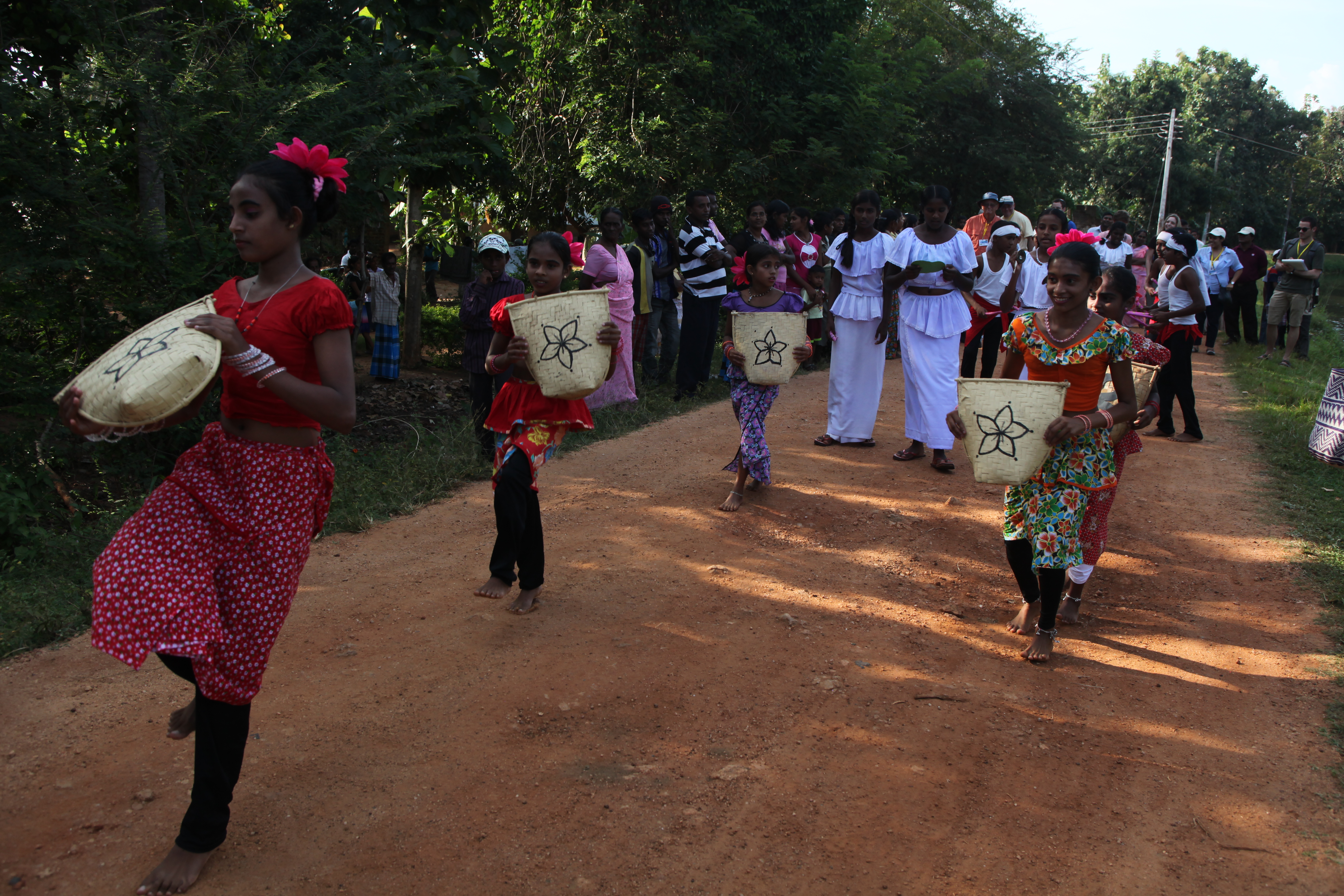
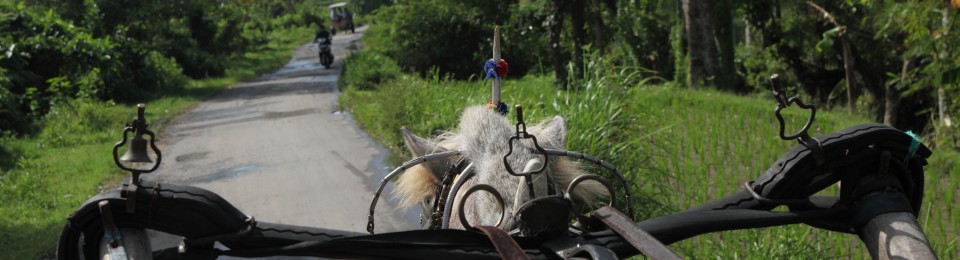
IMG_6131

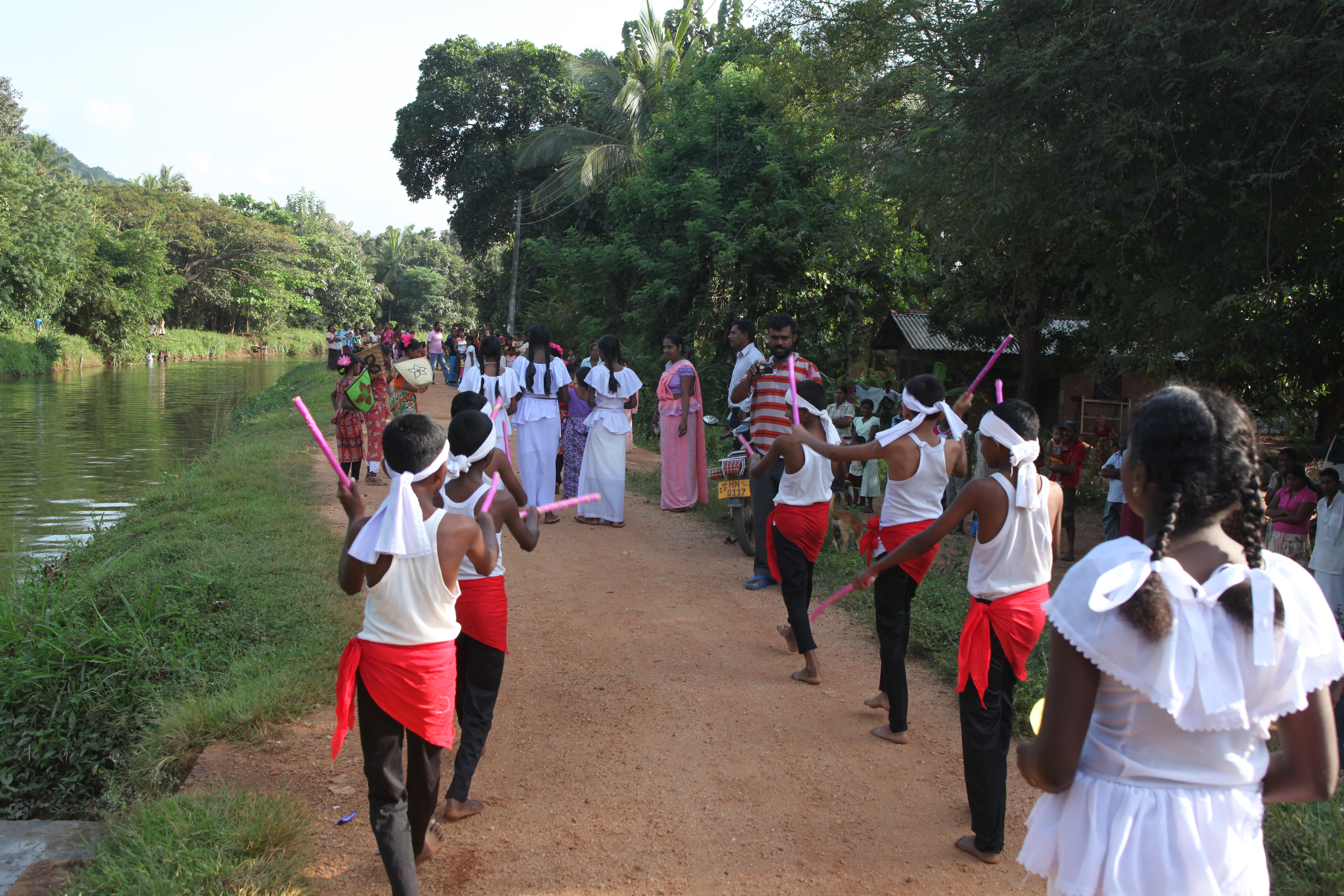
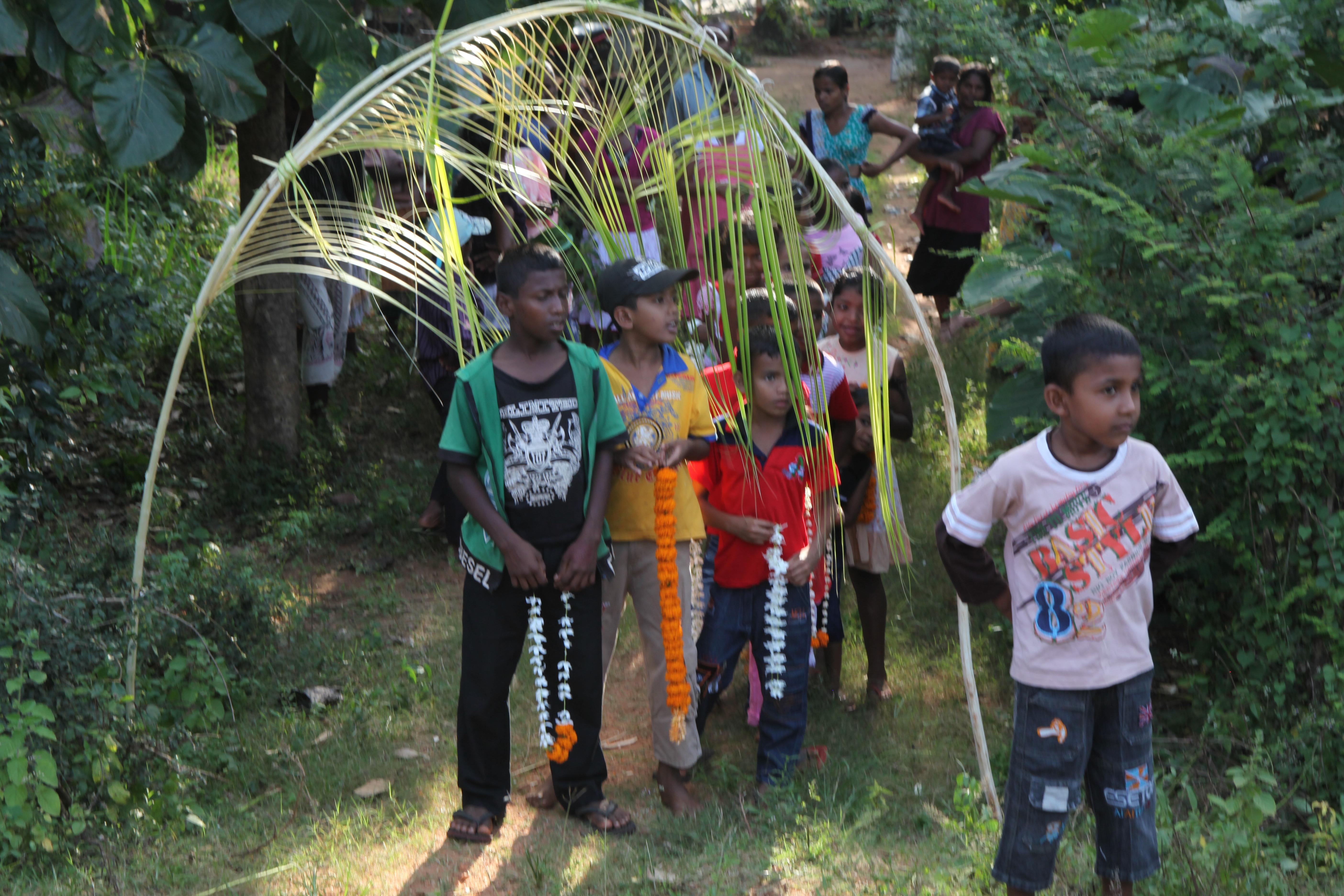
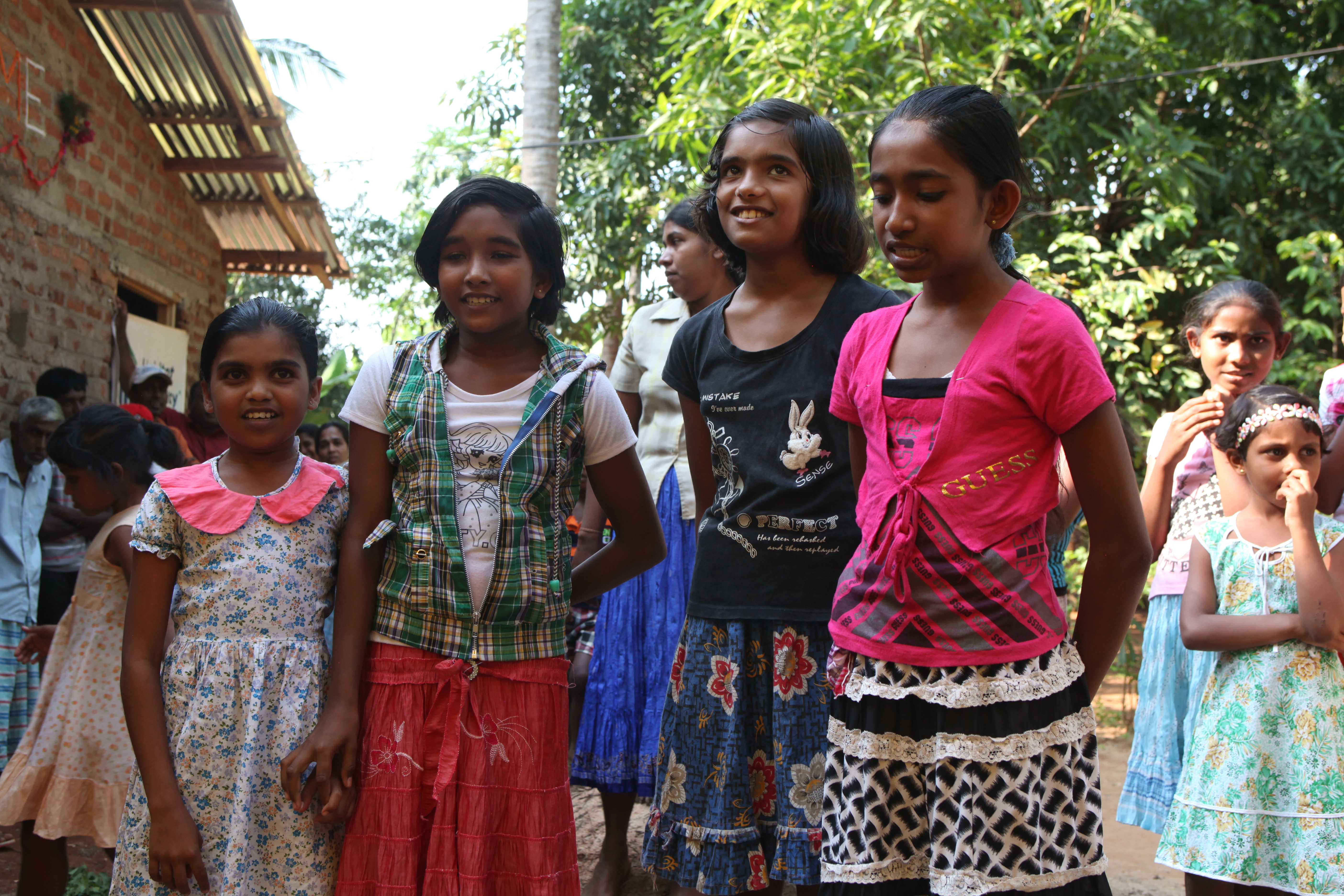
On the first day, we were met by a band of dancing children who led us under a palm canopy where we were presented with flower necklaces.
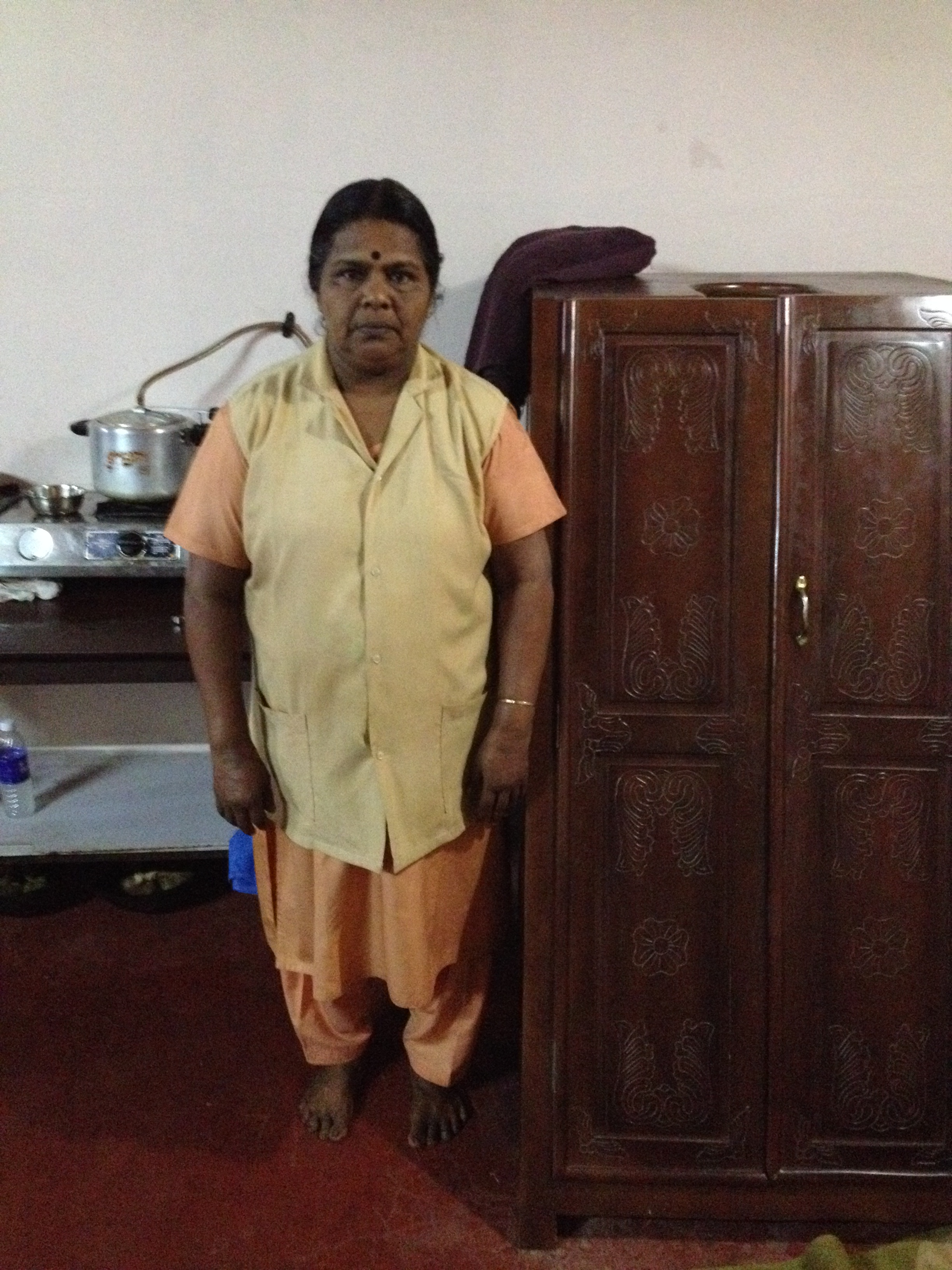
IMG_6104IMG_6138

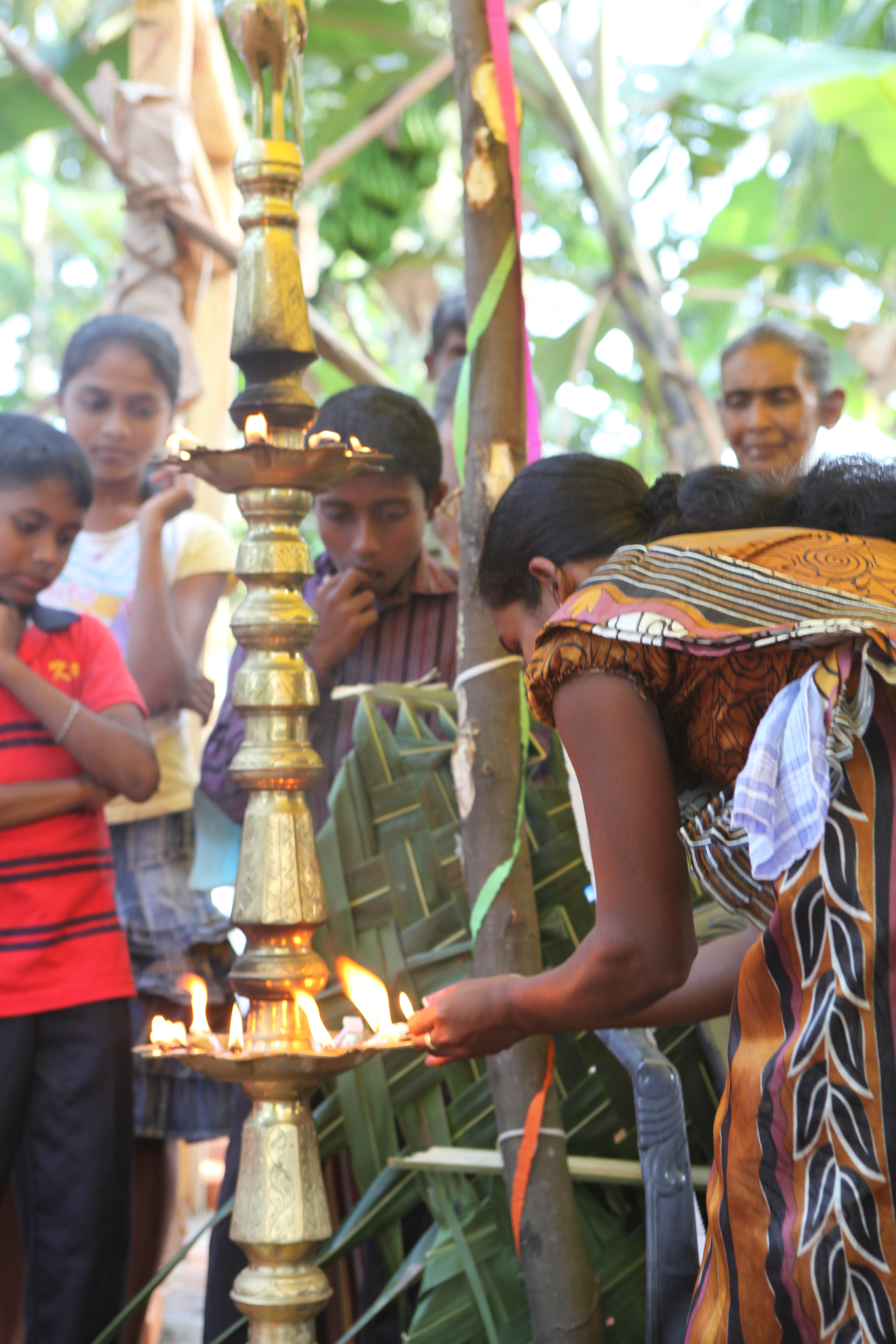
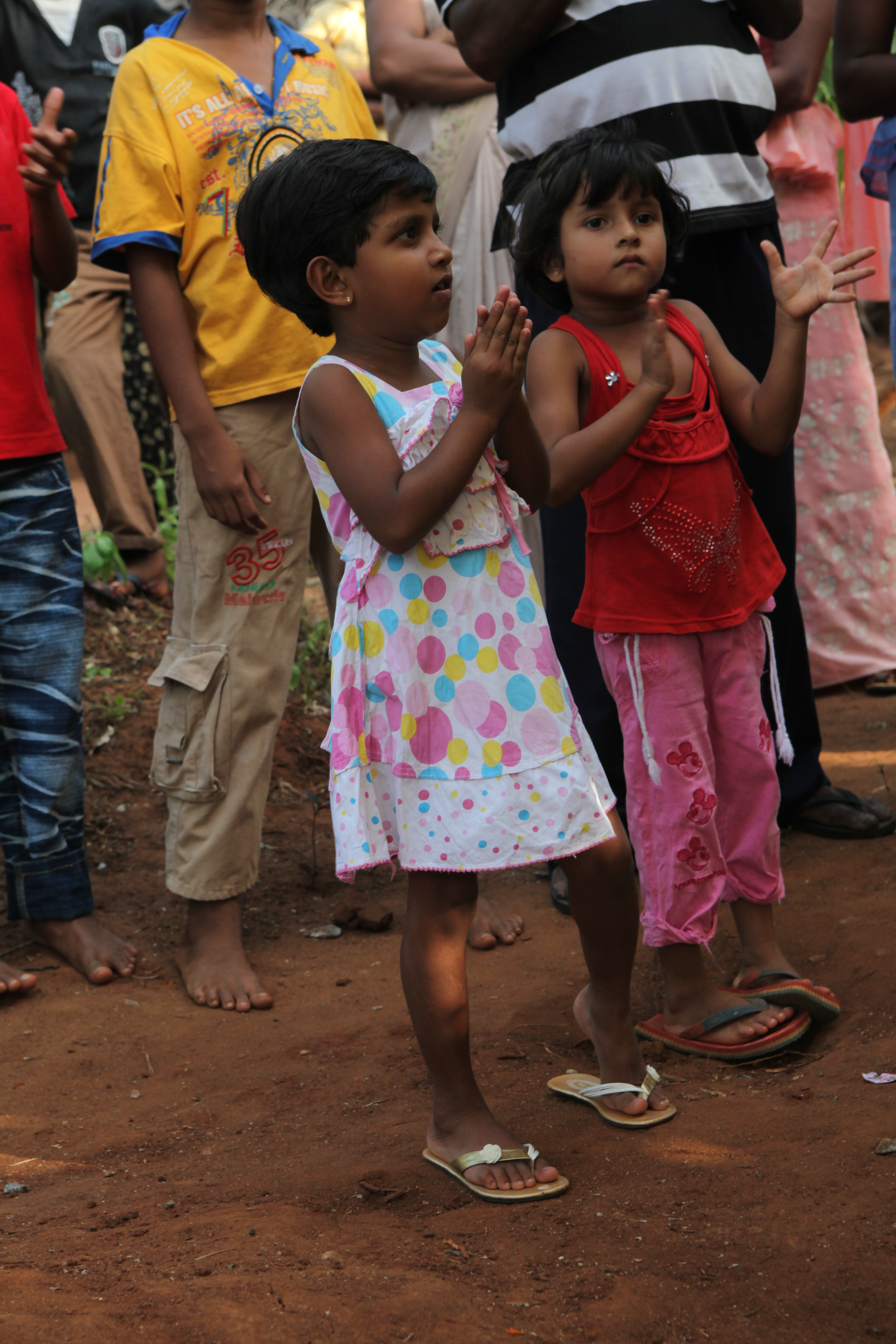
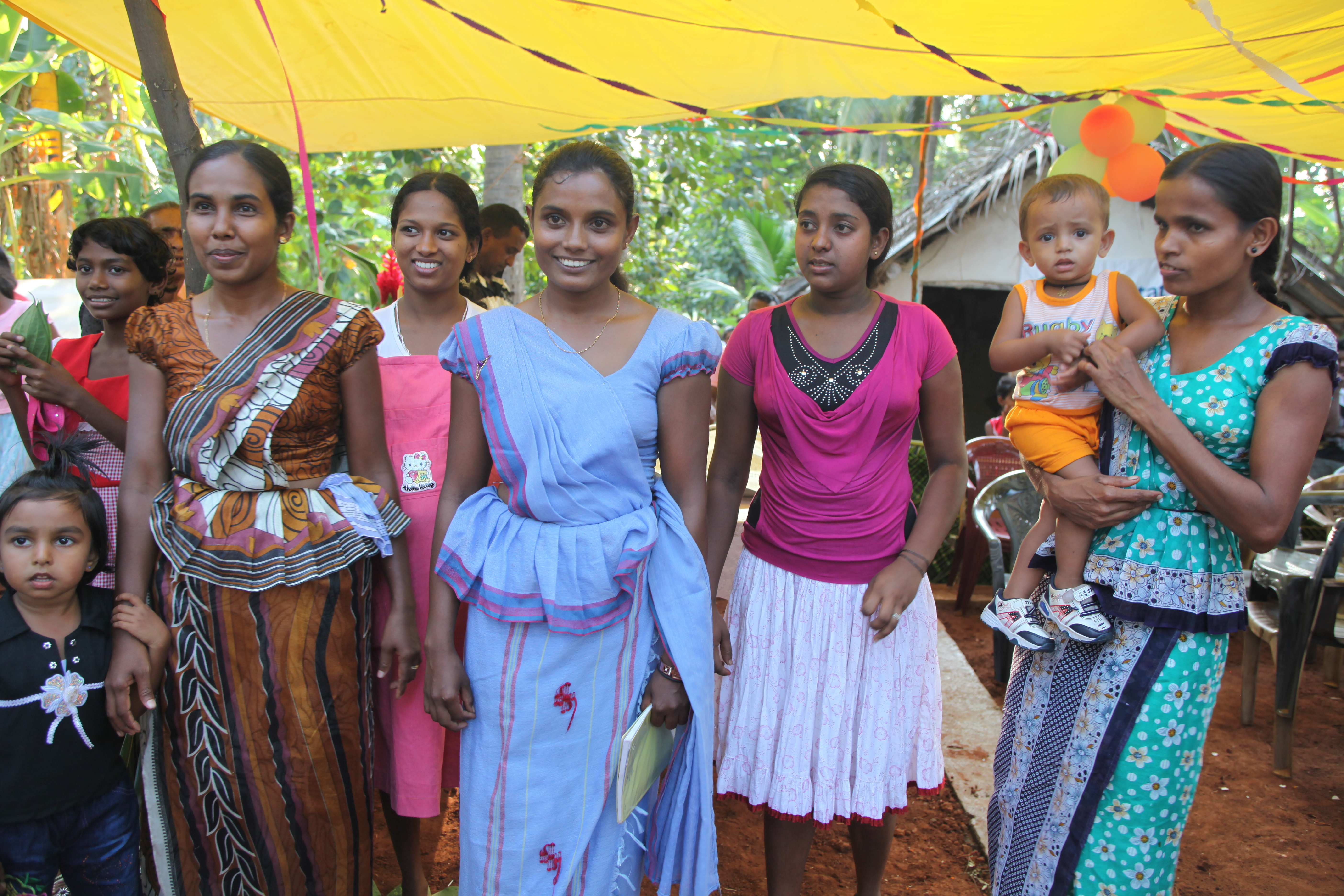
We gathered in a small clearing set up for the occasion and all the participating families, those with work to be done, made short statements. A candle-lighting ceremony followed that included everyone and there was much cheering and applause.

IMG_6152IMG_6148

The village had us with that first parade. Ready to work and build.

There were twelve in the crew and multiple sites to work. The jobs varied from digging latrines to building from the ground up to adding rooms or finishing those already begun. One of the requirements of Habitat is that the owners must put in “sweat” work. (In Sri Lanka, that takes on a whole new meaning.) For eight days over two weeks, the crew worked alongside the villagers.

IMG_6449

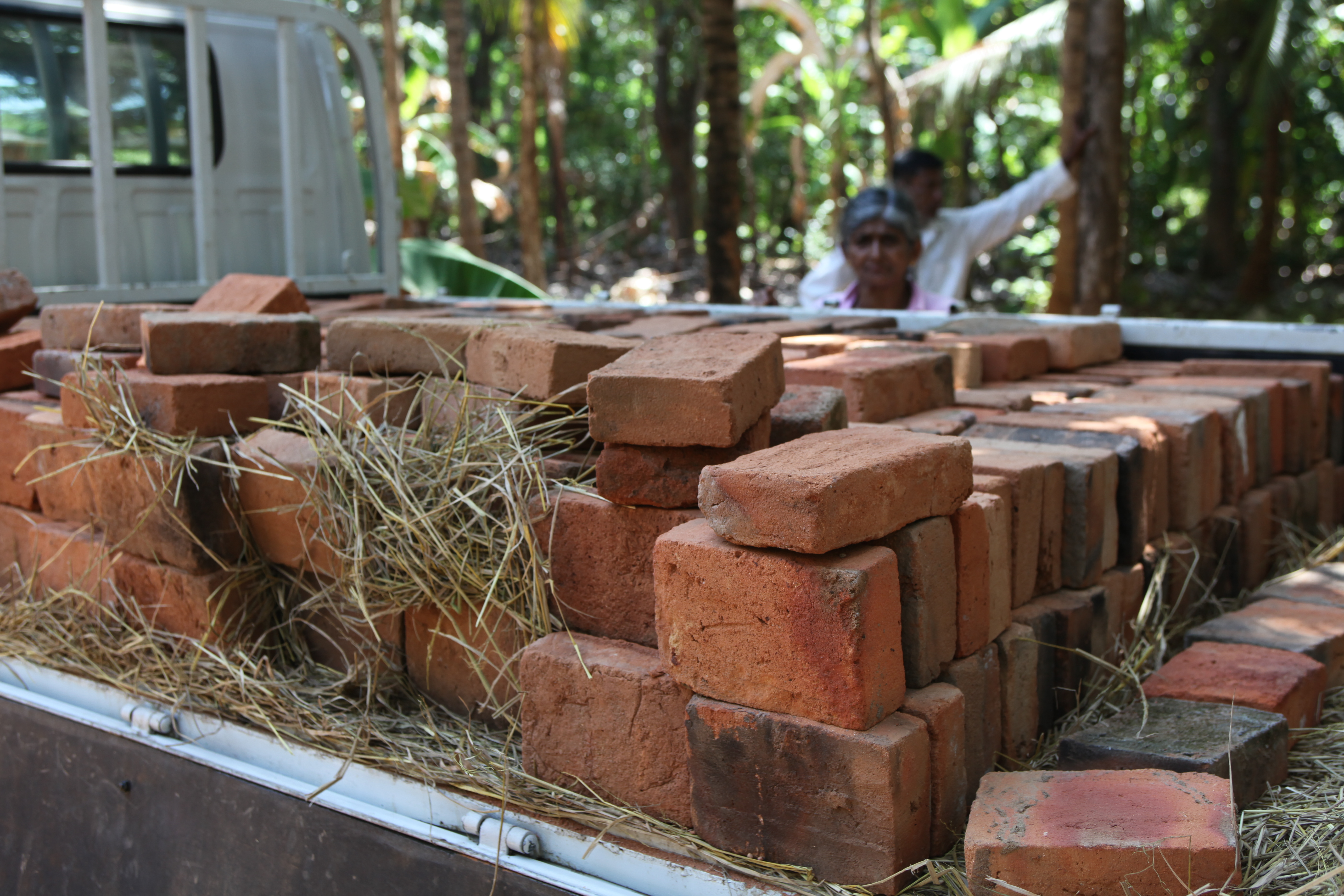
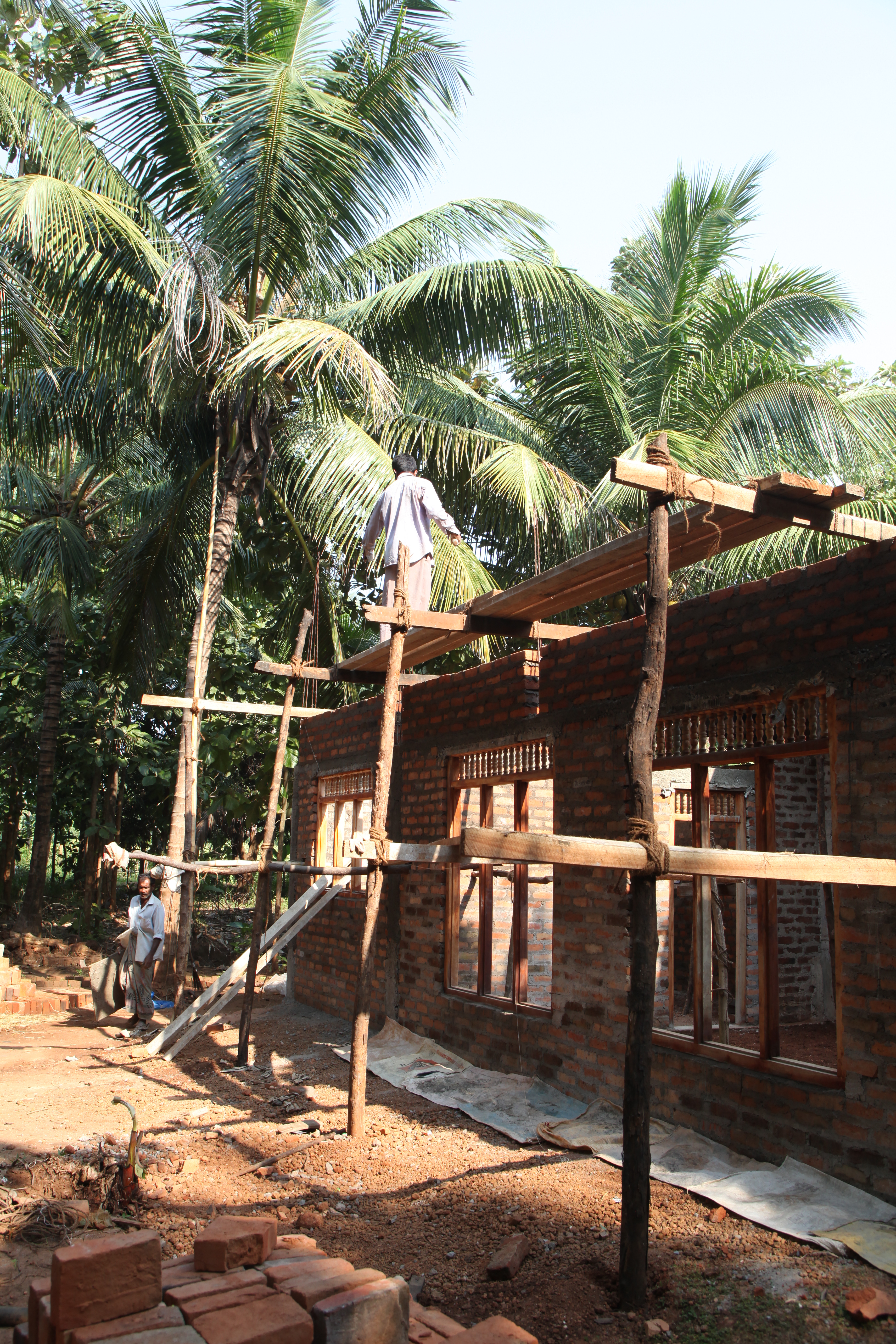
Building in Sri Lanka is nothing like building in the US. Brick is the primary material. Homemade, low-fired, large and heavy. Sand is gathered from the river for the mortar. The only commercial products were the bags of cement to be mixed with the sand and the door and window frames pre-made by one of the villagers. Scaffolding was made from sticks and boards tied with rope.

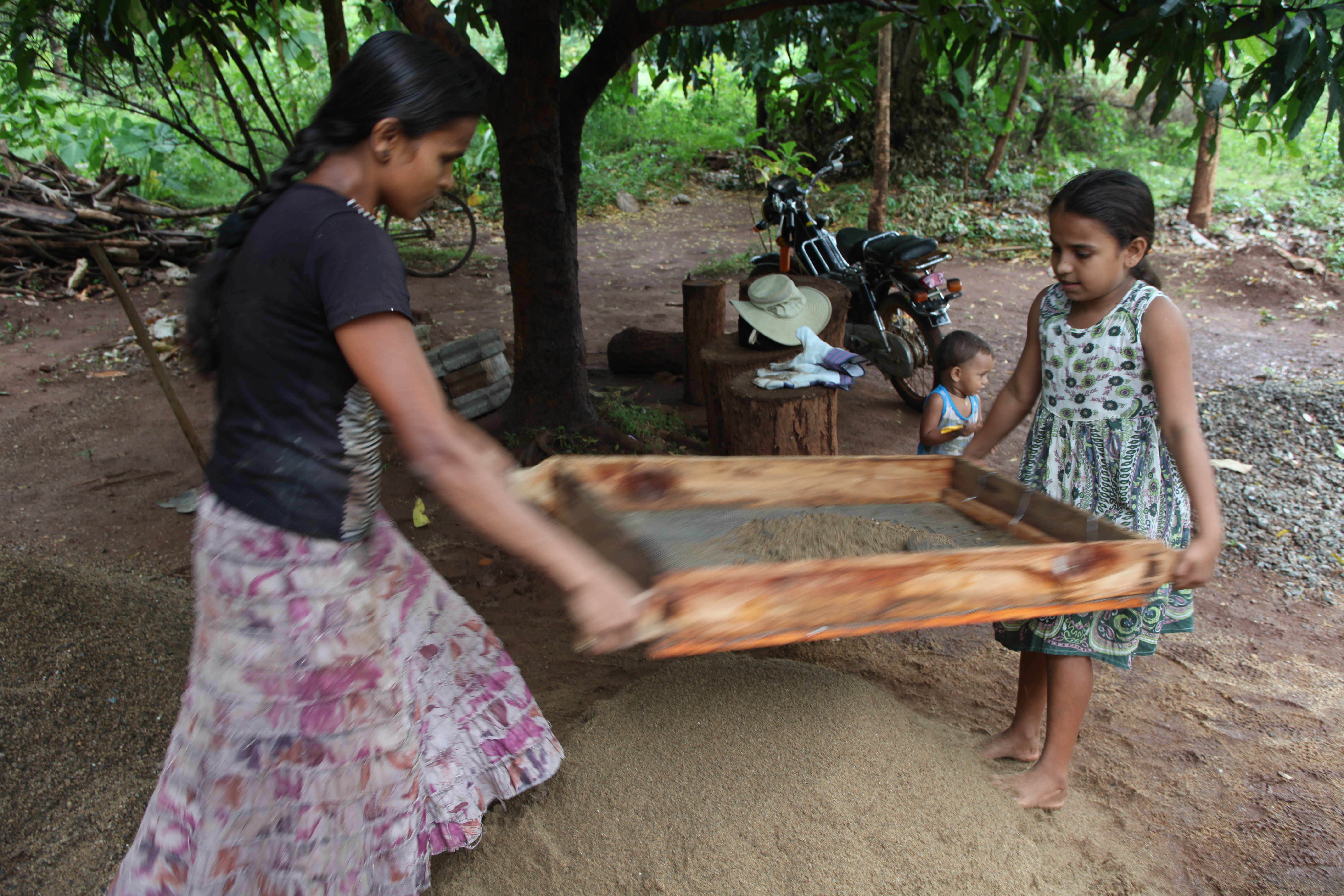
IMG_6243Sand was sifted by two people holding large frames with screening and shaking it back and forth. (My least favorite job but, then, I didn’t dig any latrines.) Levels to determine if the bricks were straight? Two sticks and a string. The floors were dirt and the inside walls unfinished—at least until the family could afford to add those final touches. But home.

IMG_6484I settled, with two others, on the site adding an additional room. Heights are not my thing so no scaffolding for me. Instead, bricks became my charge. First, gather a wheelbarrow full of bricks from the stacks, wheel them to the oil drum full of water and load them into the drum to soak. Lift the soaked bricks from the drum back into the wheelbarrow and cart them to the bricklayer—from a neighboring village and he knew what he was doing. (This was a relief to us all, that we would not be responsible for leaning walls.) Hand them up for placement. Make sure there was plenty of mortar available. When that stack was done, start all over. Seven days. Hundreds of bricks. The walls went up and none came down.

IMG_6541

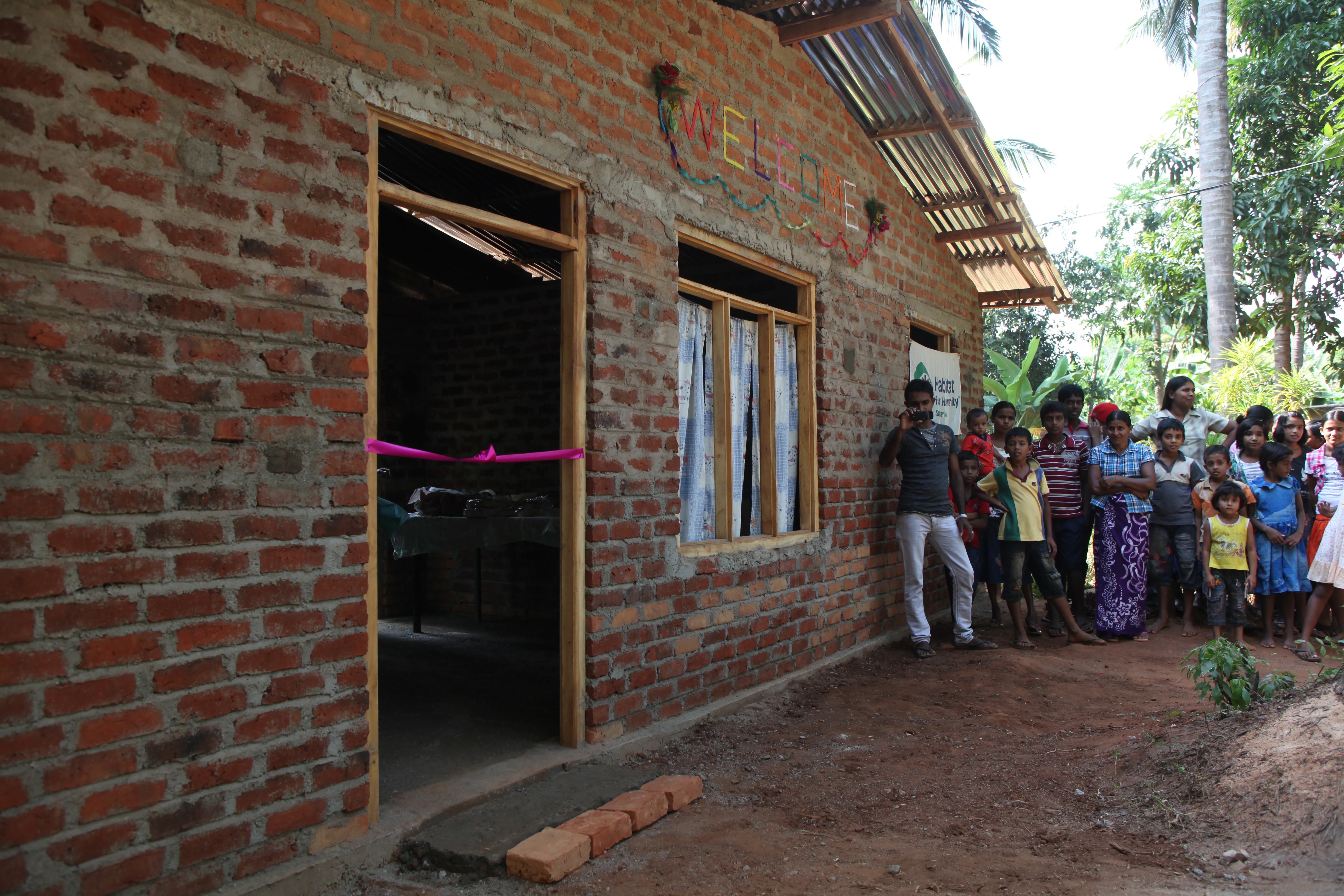
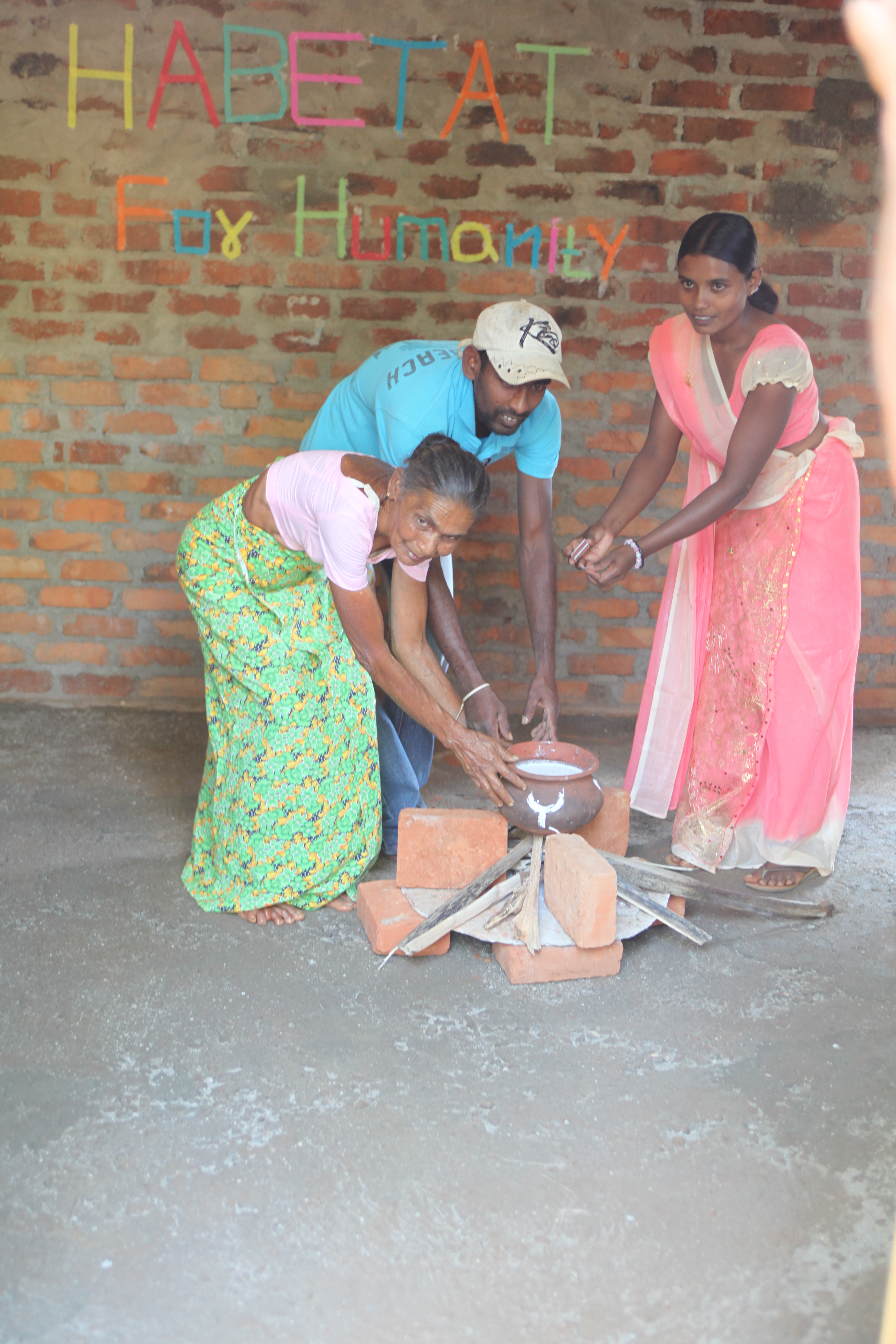
When the time came for us to leave, there was, yes, another ceremony. In the same clearing, but now there was a house.

IMG_6545IMG_6551

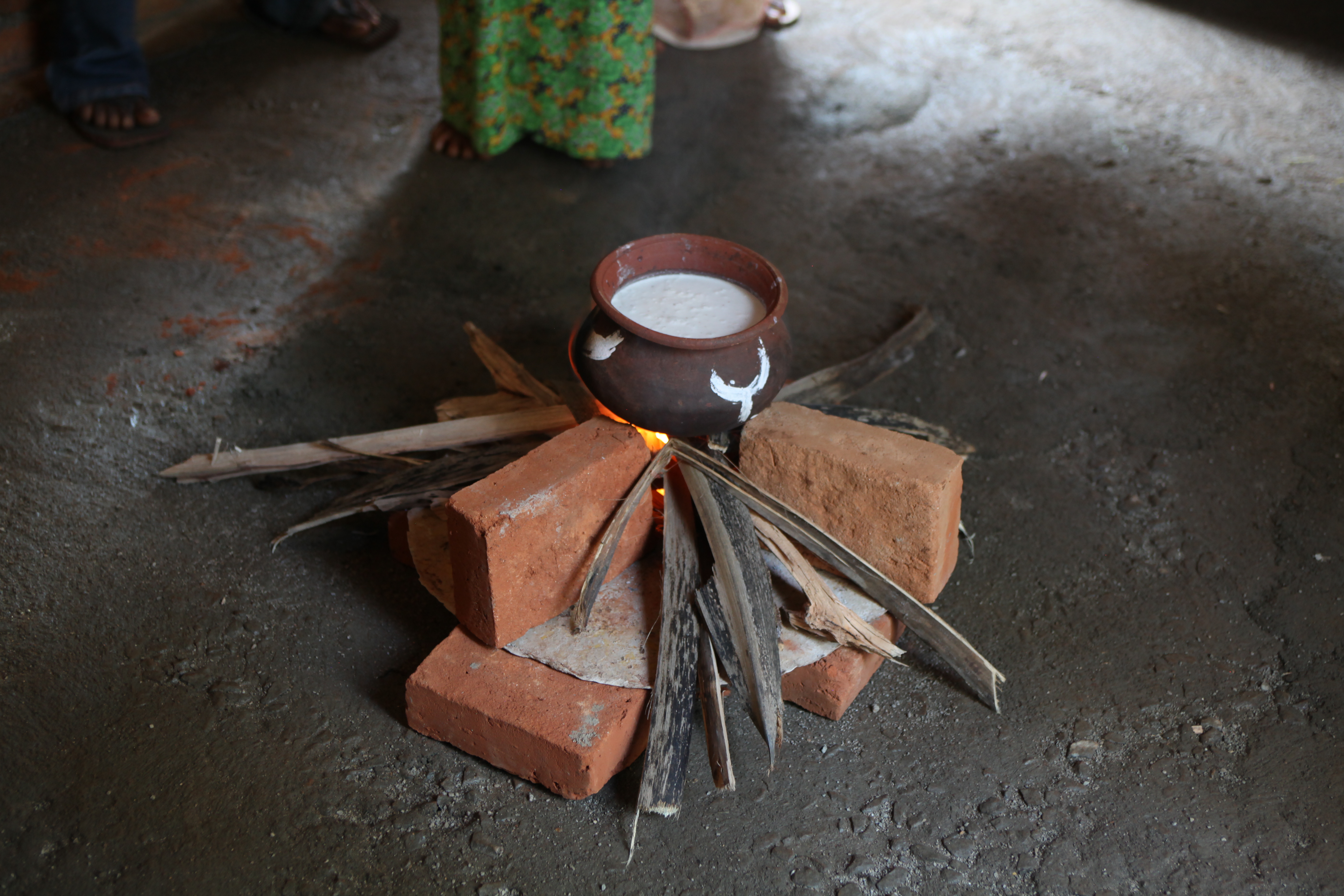
The house was blessed with the traditional overflowing of a pot of milk, delicious sweets were served, the children performed ending with a rousing rendition of “Itsy bitsy spider” courtesy of yours truly. (Only one of many stories but for a later blog.)
IMG_6569IMG_6161

I thought the trip was about building houses. It was really about building bridges.

What about the hair?

03 Friday Jan 2014

Posted by jwpenley in Travel

≈ 1 Comment

Tags

Hair, hairdressers, Lombok, Myanmar, Saigon, Sri Lanka

061

I confess.  I color my hair—often.  Have been for decades.  It grows rapidly and this becomes a problem when traveling as I am not fond of the “skunk” look along the part.  The search for a solution generally begins about two weeks into any trip.  Where does one find hair coloring?  This is not a problem in the US.  Our “drug” stores carry everything from salads to sewing supplies.  Not so in other countries.  Drugs are what they sell.  I have learned to say “color” and “hair” in multiple languages attempting to locate the right place.  Sign language is also a handy tool.  Get the words wrong and you may end up in a hardware store.  The European countries are easiest.  The right color and brand are readily available once the type of store is determined.  Not so the Asian and African countries.

Western Kenya was the first site of failure in the search.  After a frantic run to a store guaranteed to have just the right brand and color—frantic because the store was closing in ten minutes and the bus was leaving early the next morning—no luck.  Well, not exactly.  Color they had.  All of it varying shades of red.  Dilemma.  Go red or skunk.  I go for red.  After all, it’s only hair and it grows fast.  With that experience in mind, a new solution was in order.

536

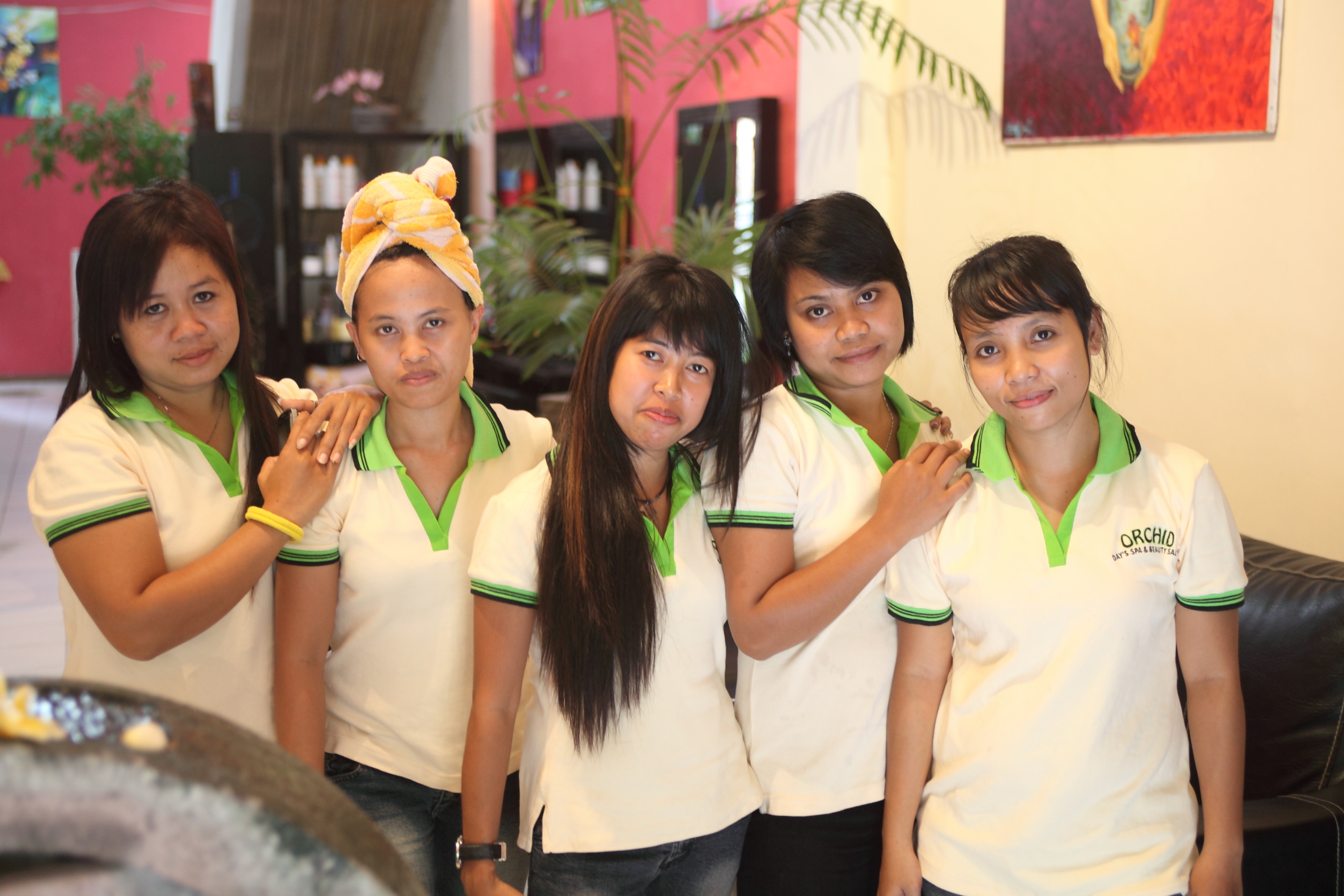
The solution?  Visit the local hairdressers!  Women throughout the world want to look good and it all starts with hair so there is always a hair salon.  What an amazing way to engage in a culture and get an entirely different perspective of a country .   The hairdresser in Saigon who took years off my life with a perfect, straight bob and color with only a hint of red.

IMG_5563The lovely ladies in Lombok who shared all of their family secrets—one divorced, one widowed, several with boyfriends, another looking—and curious about my story.  The coloring process took hours and worth every minute.  The struggling woman in Columbo, Sri Lanka who wasn’t willing or able to pay the price for getting recommendations from the hotels.  She was raising a handicapped son on her own.  A proud and determined individual with a devoted clientele.

534

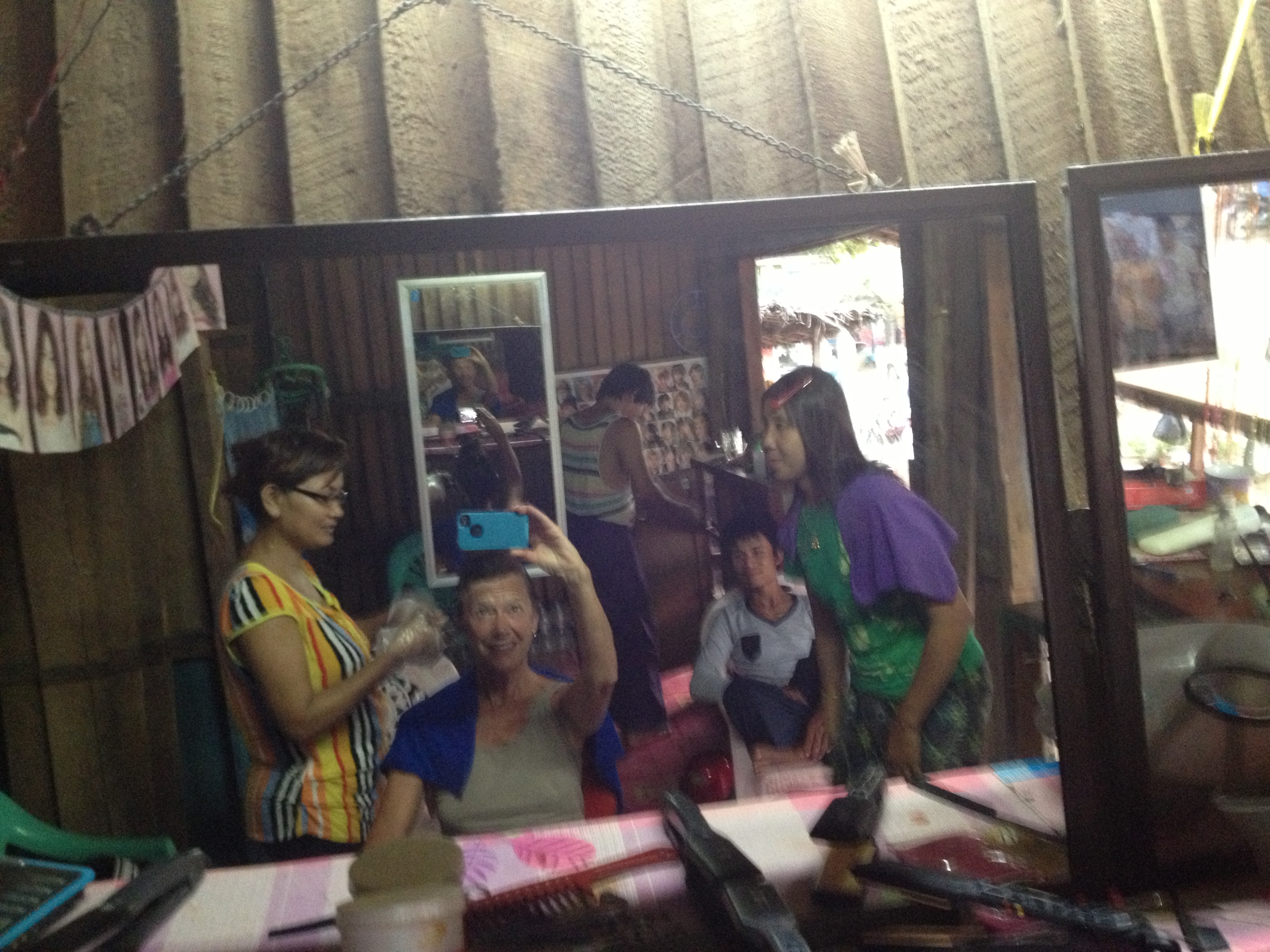
And, most recently, Myanmar, at the beach, where the language barrier was great but smiles and gesticulations carried the day.  With lots of suggestions from all who wandered into the shop and those who worked there, the end result was most satisfying.  Next, South India!

So, about the hair, go local and never look back.

On the train to…

11 Wednesday Dec 2013

Posted by jwpenley in Travel

≈ 6 Comments

Tags

Burma, Myanmar, trains, Yangon

IMG_5619

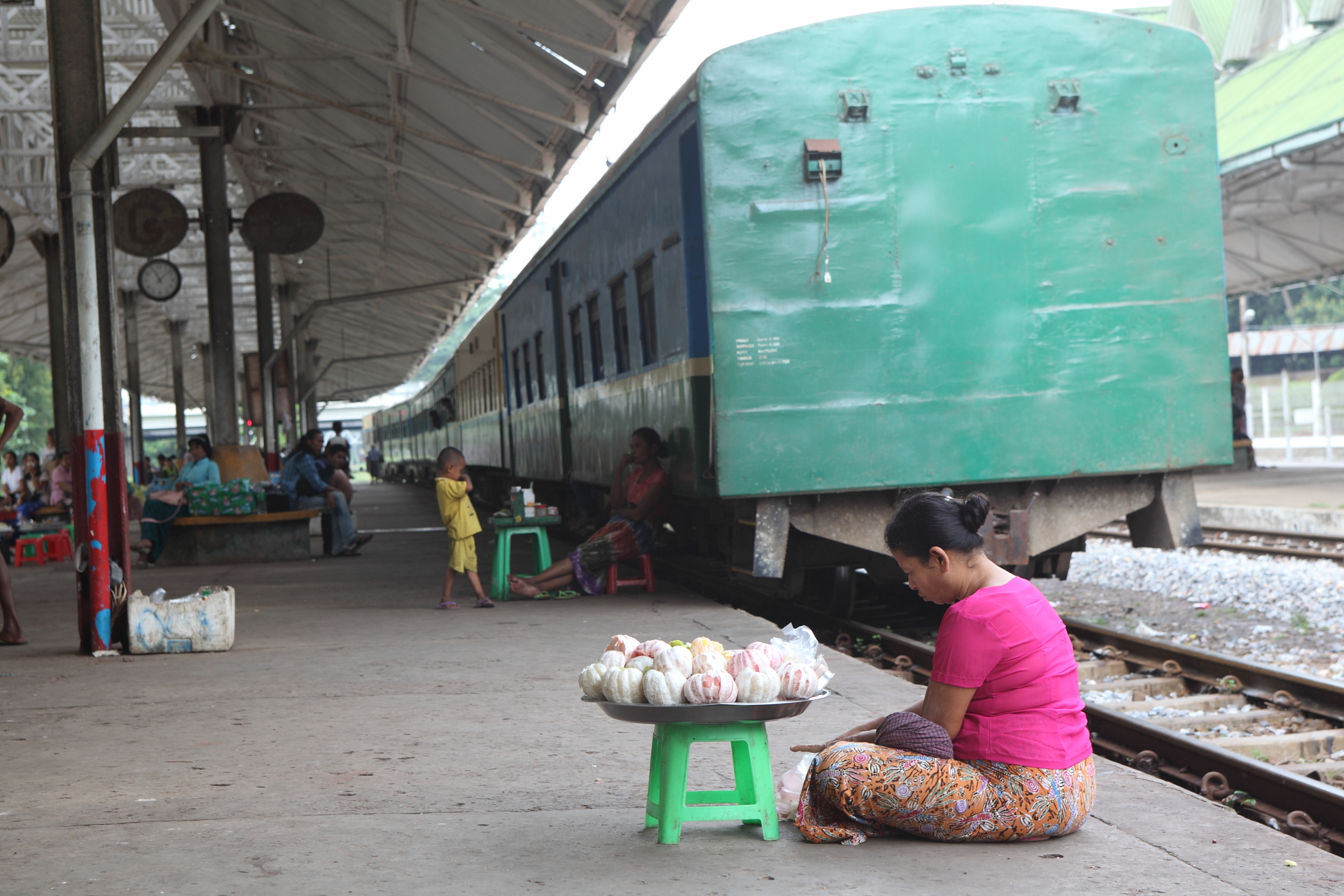
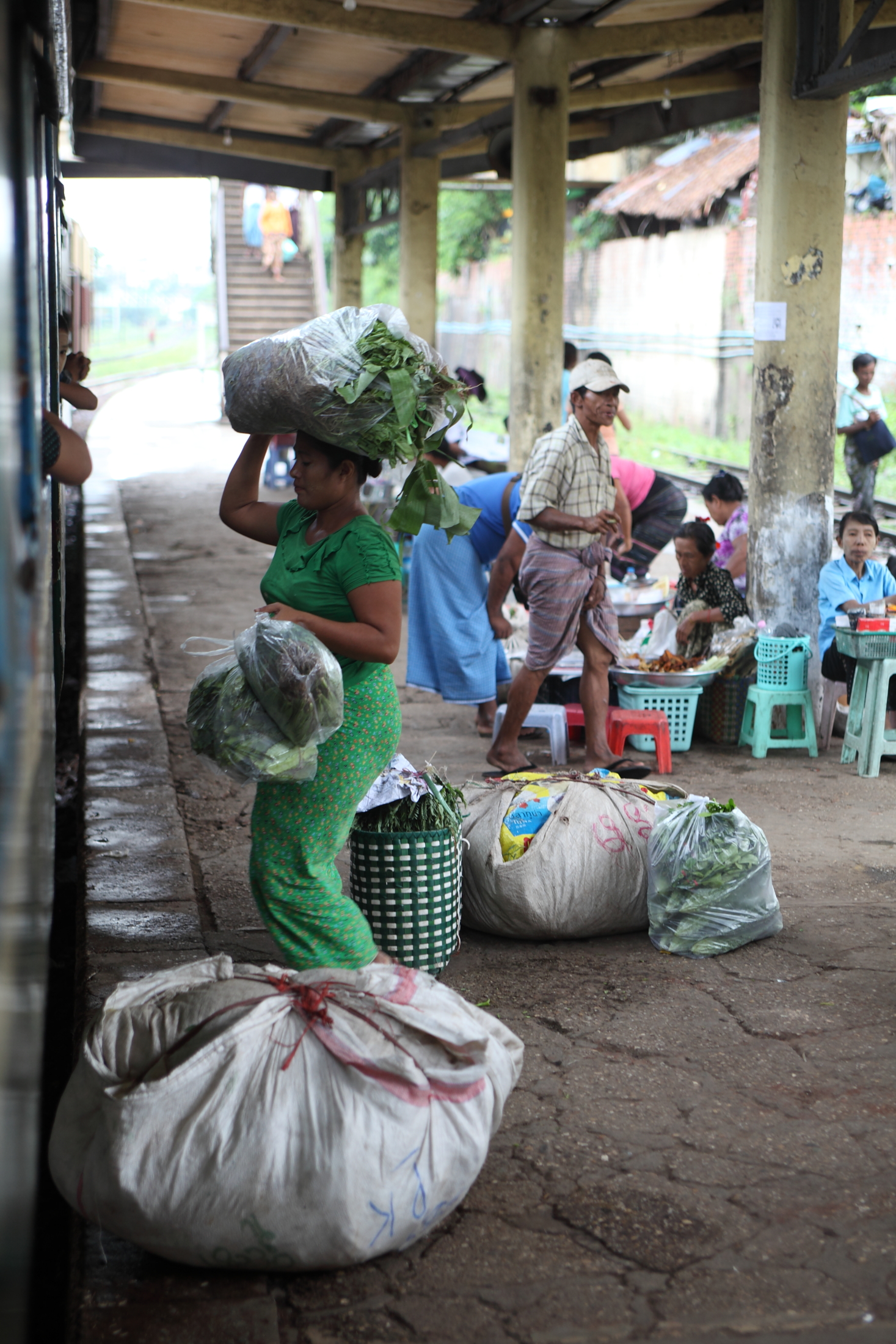
There is a train in Yangon. It’s a very old train. No cushions, no real seats, rather benches, no air-conditioning except the wind through the windows, and it goes nowhere. This is a slight exaggeration. It goes somewhere. It ends where it begins, in Yangon. For three hours and $1.00 one can see snippets of life in Myanmar.

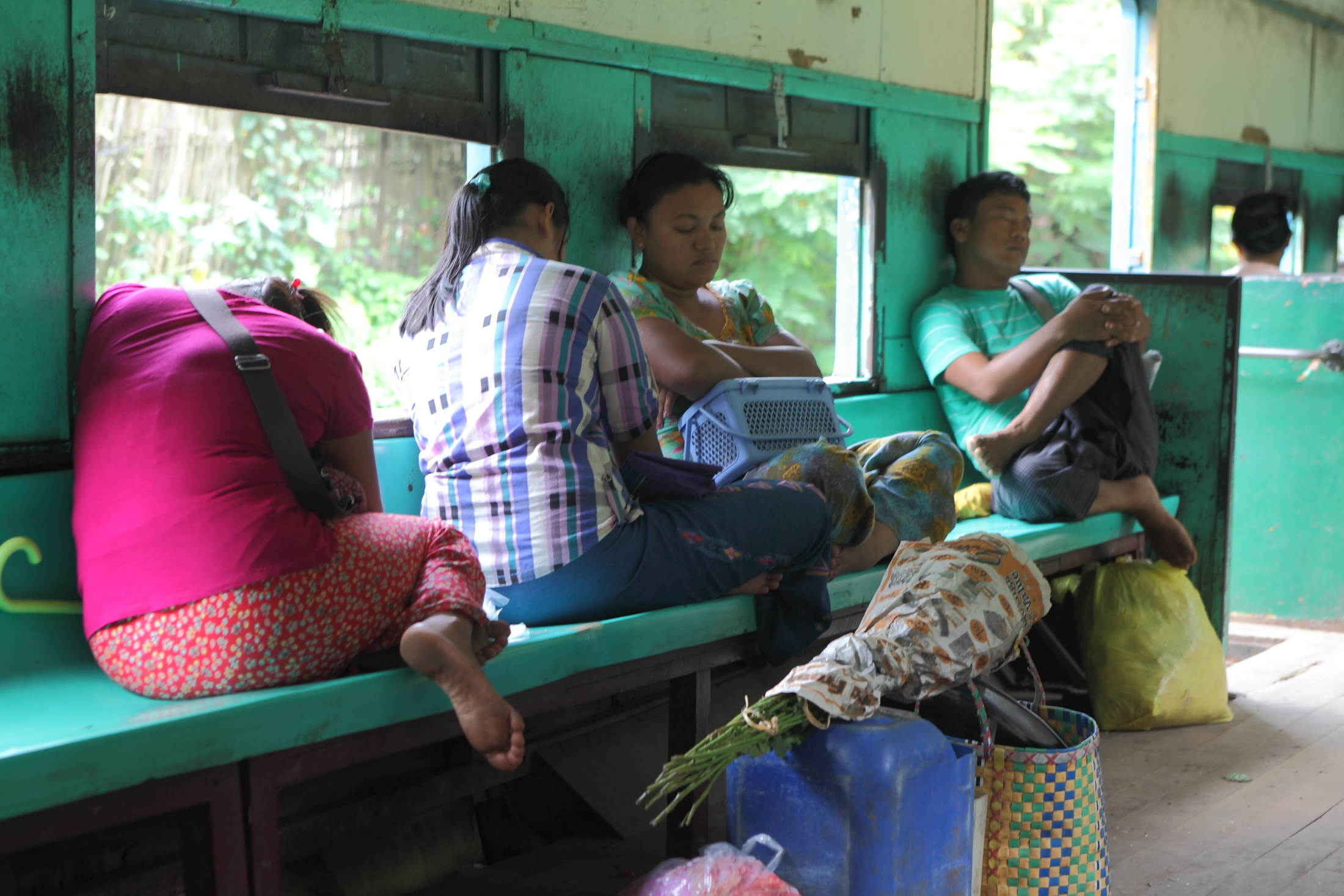
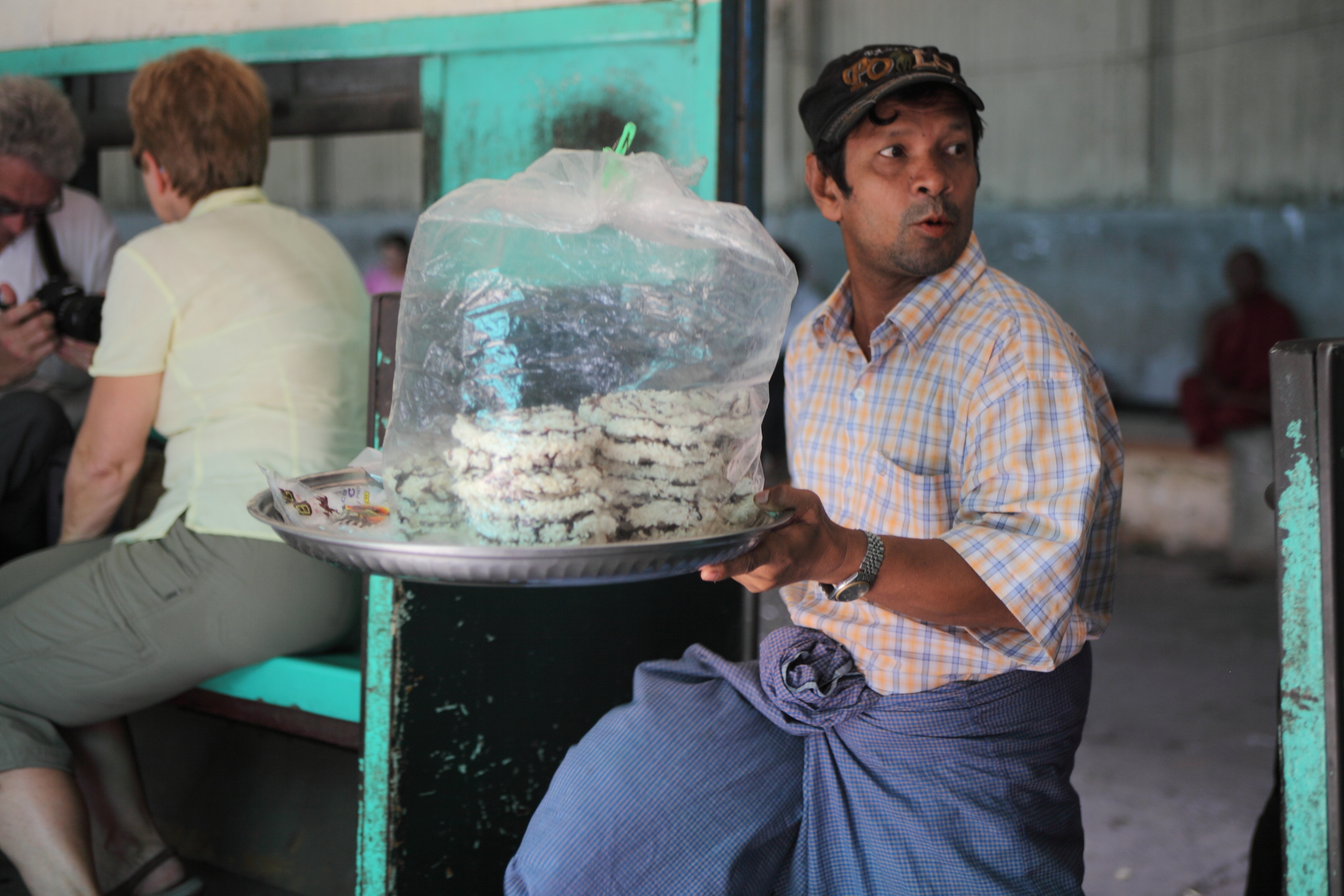
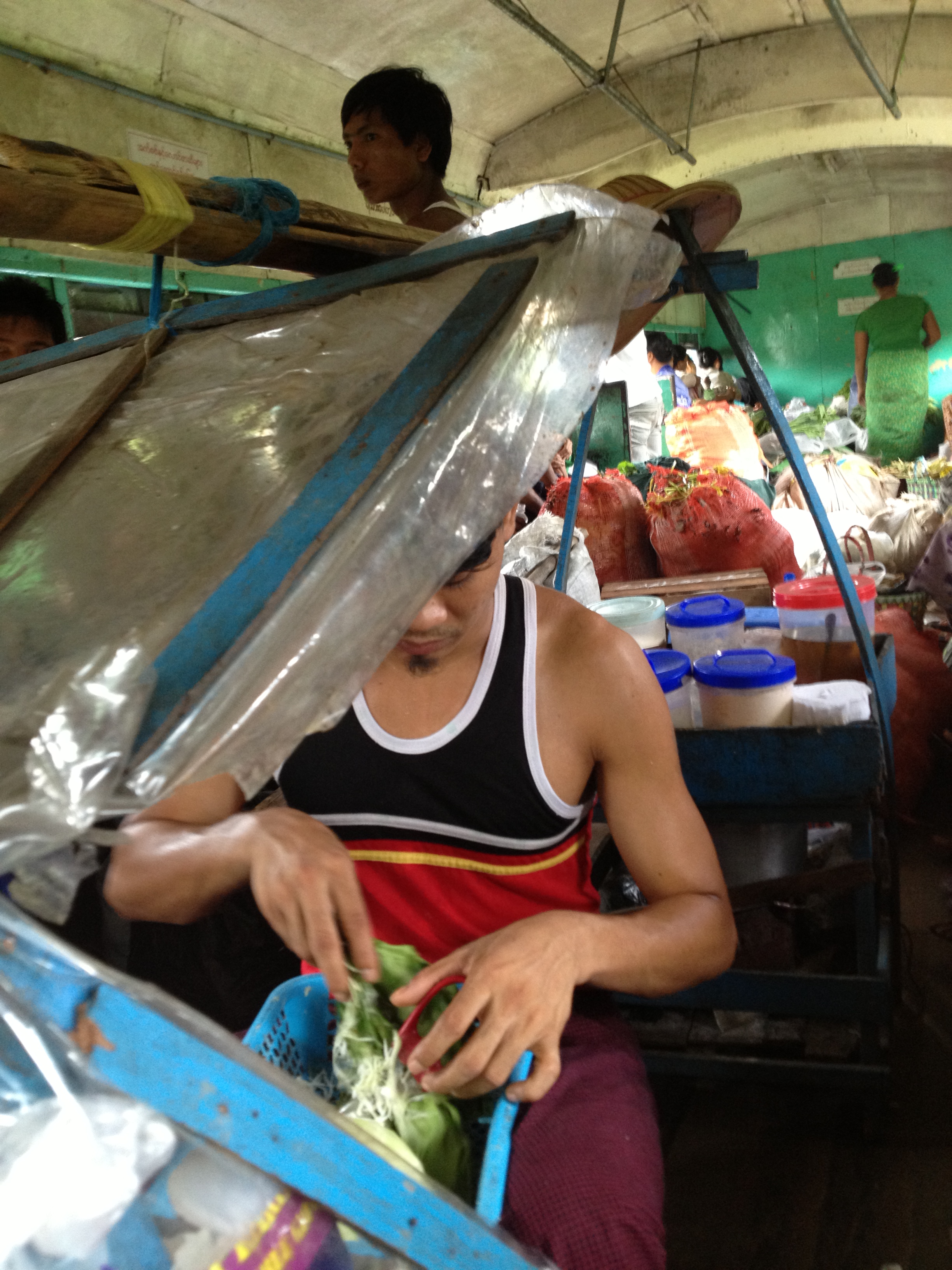
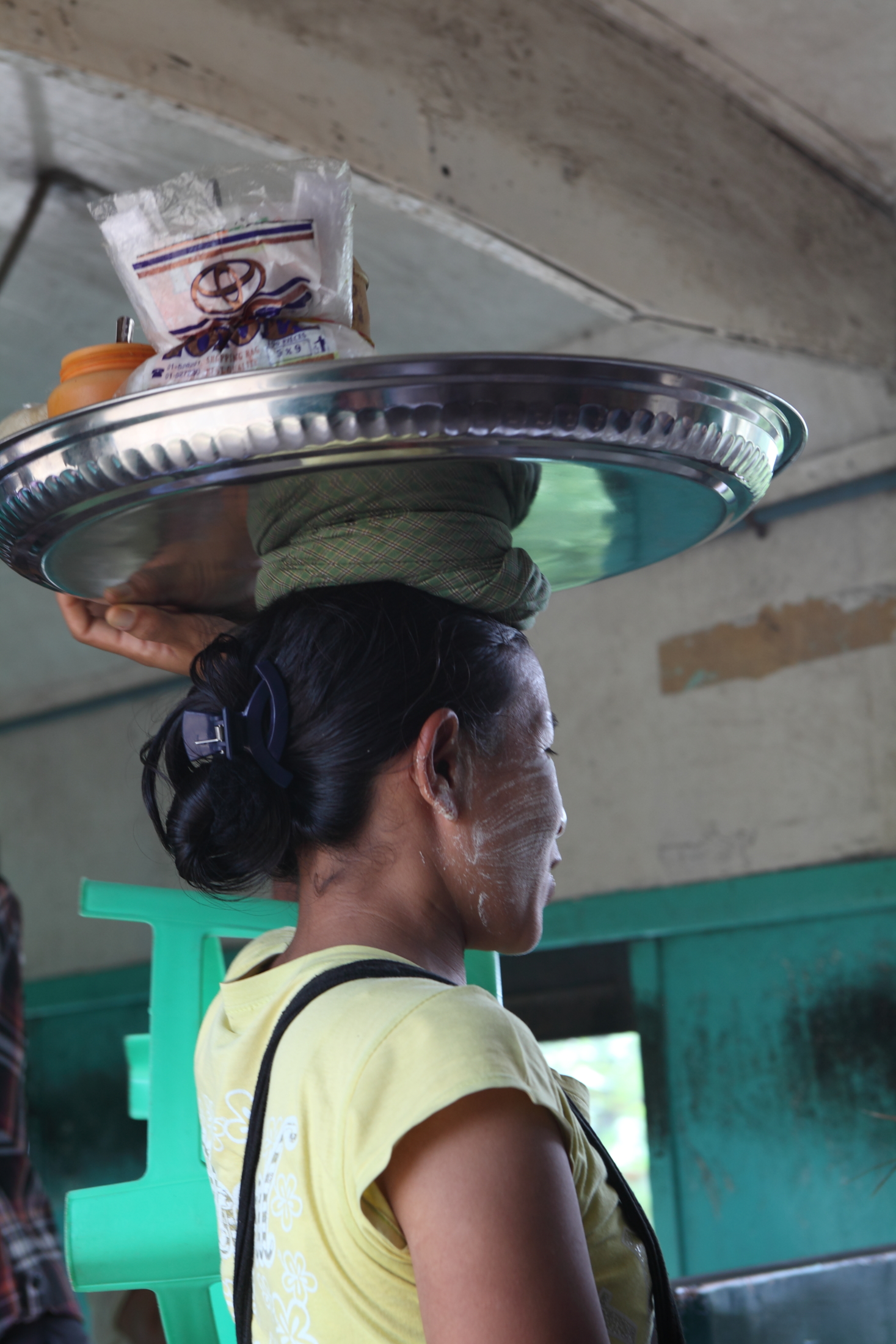
IMG_5653The mid-day train leaves on time and is not crowded. A few brave tourists and a handful of locals spread out among the several cars. Choose your spot wisely as this is the last point on the trip when you have a choice. Every stop, and there are many, brings more people into the cars, all carrying something. This is not the tour train. This is the “to the market” train and what they carry is what they sell. Enormous bundles of water spinach requiring two or three people just to lift them onto the train. Sacks of rice, bags filled with the unknown. As the train fills, vendors hop on with their wares. Fruit, snacks, water, tea. The betel nut vendor requires assistance in carrying his “portable” cart swinging on a pole. He settles into the middle of the car and begins to smear the paste on leaves, adding betel nuts and rolling them into small packets for chewing–and spitting.  Also in his cart?  Tasty bits enclosed in lettuce leaves.

IMG_5737IMG_5631420IMG_5674

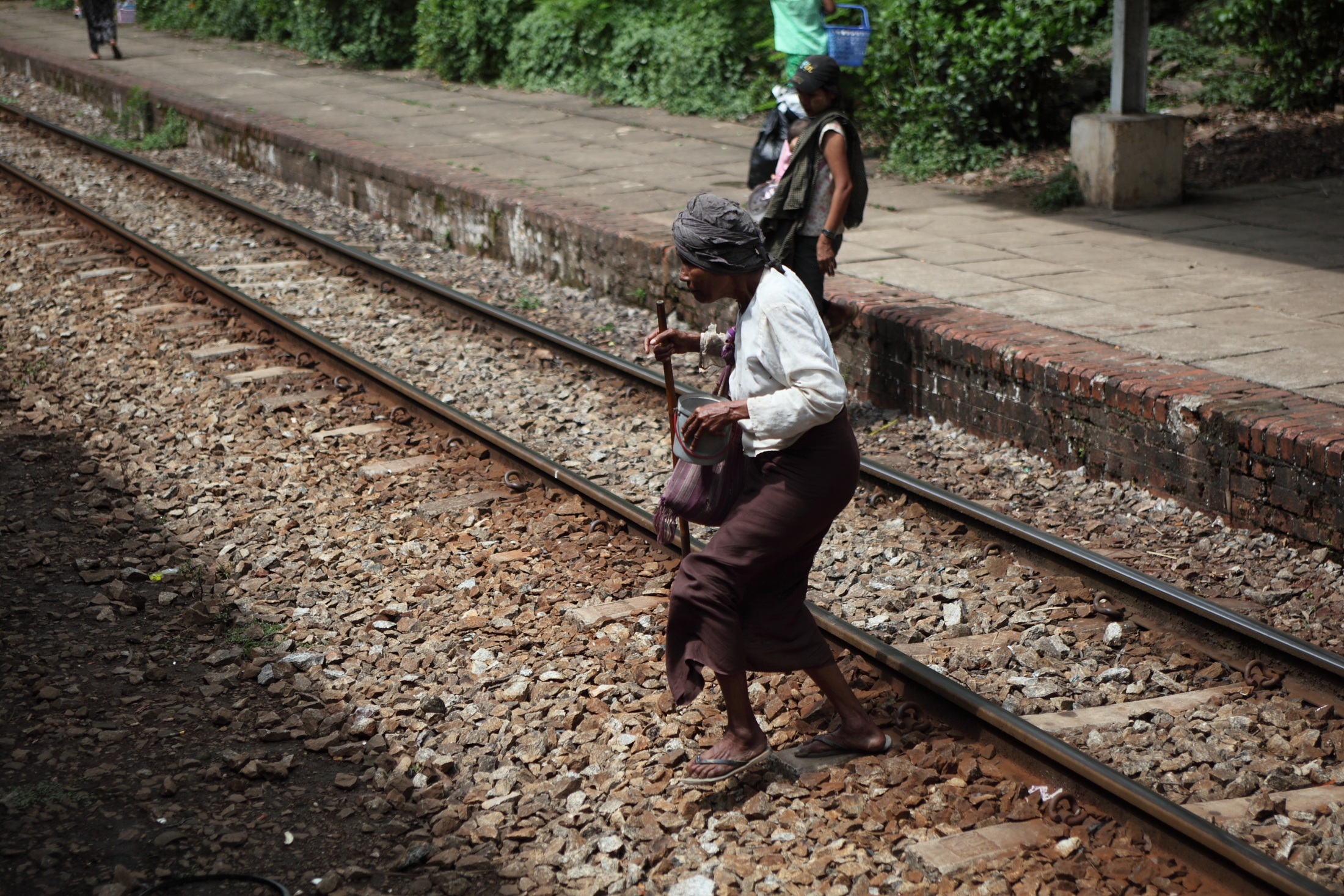
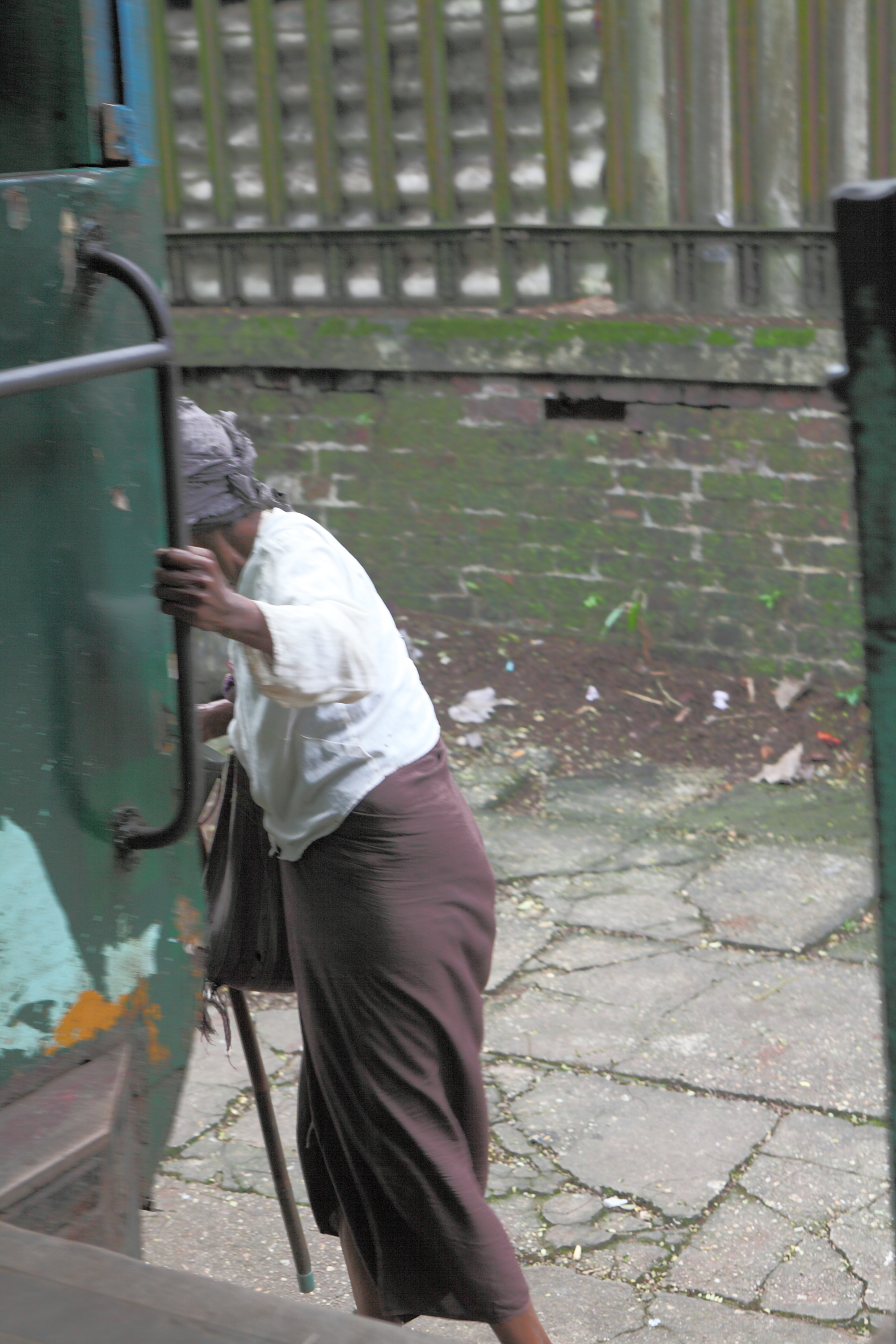
An old woman nimbly hops across the tracks and climbs aboard. Bent and limping, she passes through the aisle with her hand out but finds no takers. At the next stop, she deftly swings off the train. She has practiced this. Sometimes she must get lucky.

IMG_5644IMG_5649-1

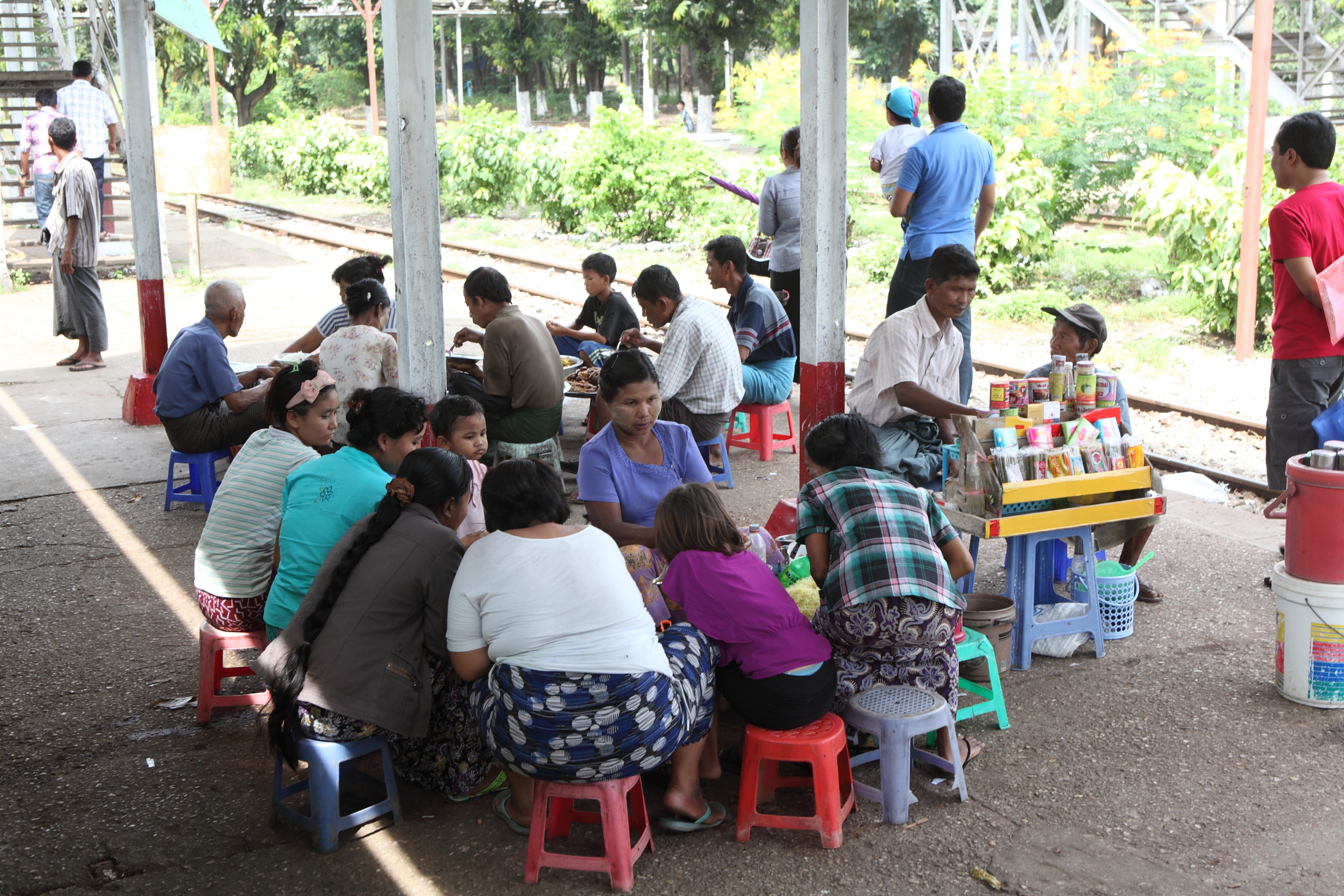
The train continues its journey, passing through rice fields, many stations and small villages. Alongside the track, families gather to eat meals, meet off-boarding passengers, wave and smile. The passenger load ebbs and flows. The older set wants to practice the English learned two generations ago. Little ones try to share quail eggs. Life happens in the cars and along the train tracks of Myanmar. A lot of life. And it begins and ends in Yangon.

IMG_5680

It’s important to follow the instructions of the ticket seller to avoid getting on the train to Mandalay. Equally old and colorful but a much longer and, possibly, very uncomfortable ride. Stick to the three hour trip. If that seems too long, one can get off after an hour and take the train circling the other direction. Be advised, however, that there is an hour-long wait for that train. Best to just keep going. The reward is great. With the right timing, you just might get a market day.

A Ceppato encore

17 Sunday Nov 2013

Posted by jwpenley in Travel

≈ 1 Comment

Tags

Ceppato, Italy, Pisan Hills, sagra

Continue reading →

← Older posts
Newer posts →

Recent Posts

  • More of Johannesburg
  • African Adventure
  • New adventure
  • Dad’s Birthday
  • The Perfect Summer

Archives

  • September 2019
  • October 2015
  • September 2015
  • April 2015
  • March 2015
  • January 2015
  • December 2014
  • September 2014
  • May 2014
  • April 2014
  • March 2014
  • January 2014
  • December 2013
  • November 2013
  • September 2013
  • August 2013
  • July 2013
  • June 2013
  • May 2013
  • April 2013
  • March 2013
  • January 2013
  • December 2012
  • November 2012

Categories

  • Birthdays
  • City Life
  • City Living
  • Family
  • Home exchange
  • Photography
  • Travel
  • Uncategorized

Meta

  • Create account
  • Log in
  • Entries feed
  • Comments feed
  • WordPress.com

Blog at WordPress.com.

  • Subscribe Subscribed
    • ontheroadwithjp
    • Join 33 other subscribers
    • Already have a WordPress.com account? Log in now.
    • ontheroadwithjp
    • Subscribe Subscribed
    • Sign up
    • Log in
    • Report this content
    • View site in Reader
    • Manage subscriptions
    • Collapse this bar
 

Loading Comments...