When I hear the awful news from Syria, a part of me is very sad. Another part is grateful as I visited that remarkable country in January of 2011. I had not been home more than a month or two when it was no longer possible to travel there. The trip was an add-on to a journey through Egypt and Jordan, also very changed from that time.

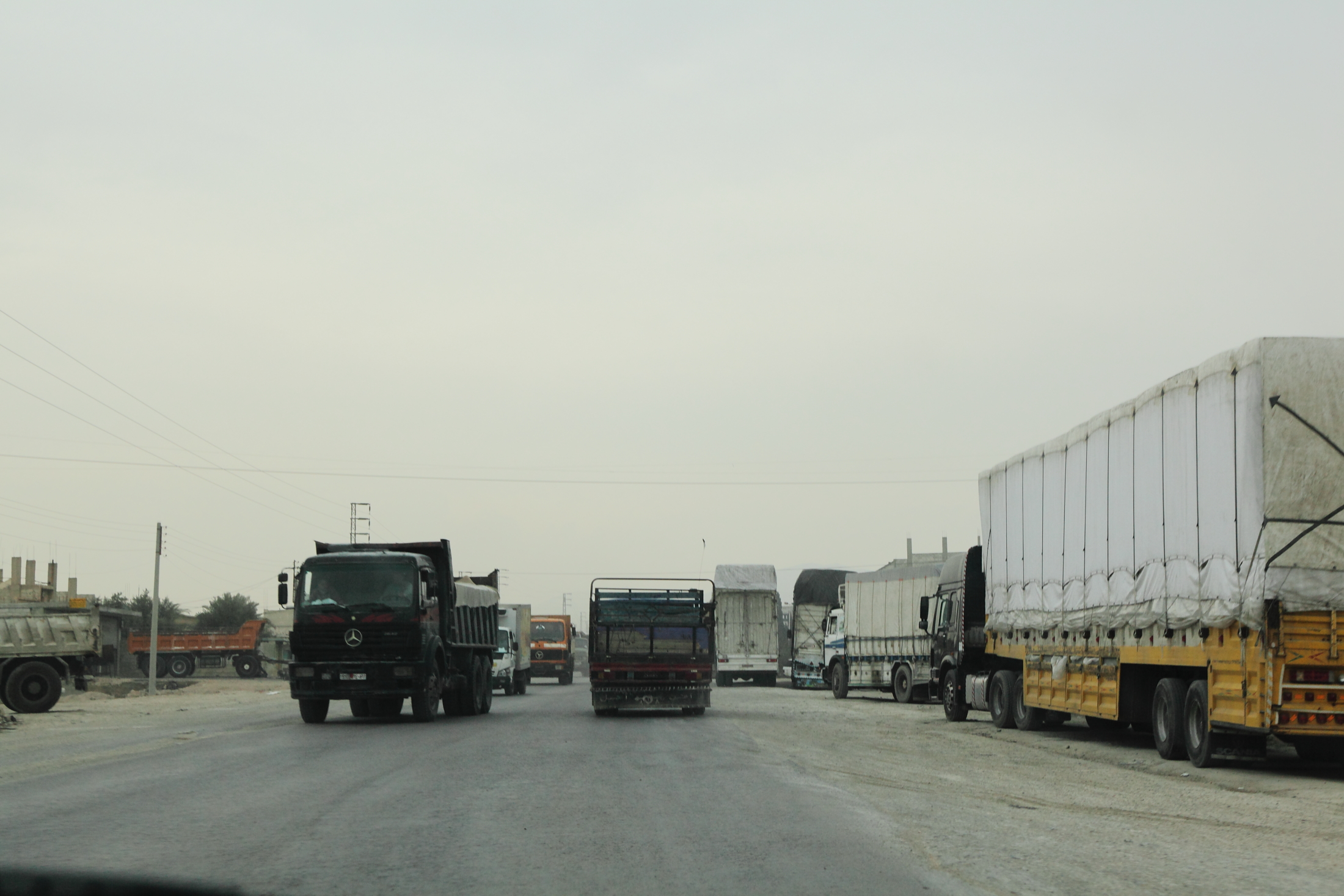
My travels through Syria were with my wonderful Catalan friend as driver and protector. A taxi drove us from Amman, Jordan to the airport in Damascus where we picked up a rental car and headed off into the mist armed with a sketchy itinerary, just a list of “must sees”, along with a frightening number of very large trucks.
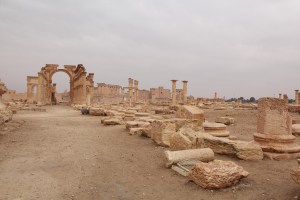
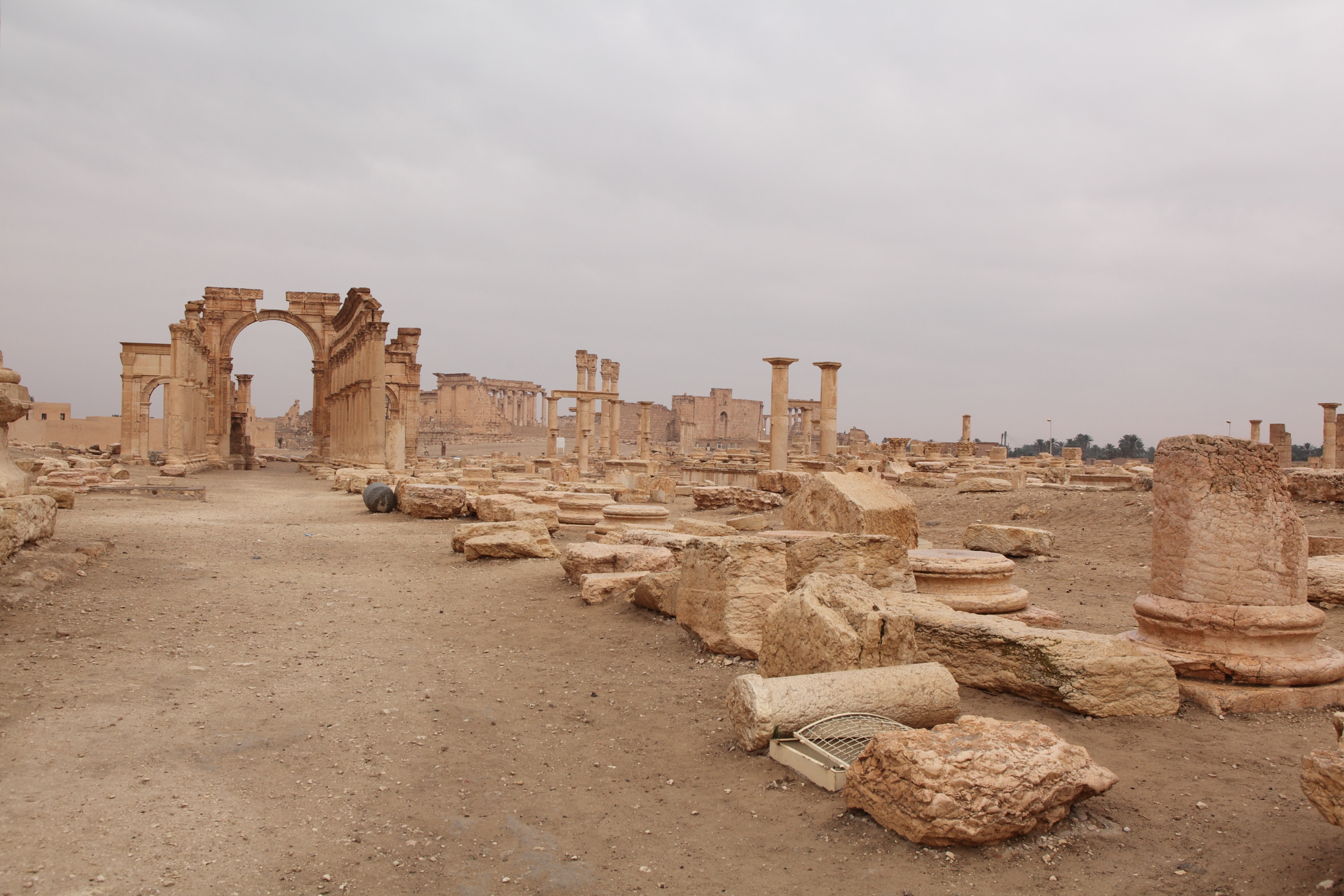
First stop, Palmyra, the ancient, mostly Roman ruins several hours northeast of Damascus. We arrived in the dark but found our way to accommodations very near the site, settled into our rooms then out for dinner. In this remote part of Syria, my friend proved that the world is small. Understand that he is Catalan, from Barcelona. Soccer. Syrians love soccer. Everyone loves Barça! Especially the souvenir shop owner who had every conceivable bit of soccer memorabilia including a large photo-poster of the Barça team on the wall, on his motorcycle a Catalan flag. I thought we might have to stay in Palmyra forever, the man was so excited. It was no different all over Syria. Not a bad thing.
Palmyra in the rain. There is little rain in this part of Syria, so it was a surprise. The good part was not a single tourist bus and a good portion of our visit done with no one in sight. A different yet powerful experience as we walked along the empty roads, peeking into the destroyed temples, imagining what it must have been. Now wondering how much of Syria is rubble.
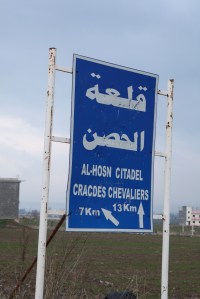
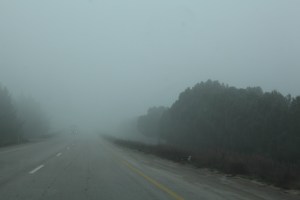
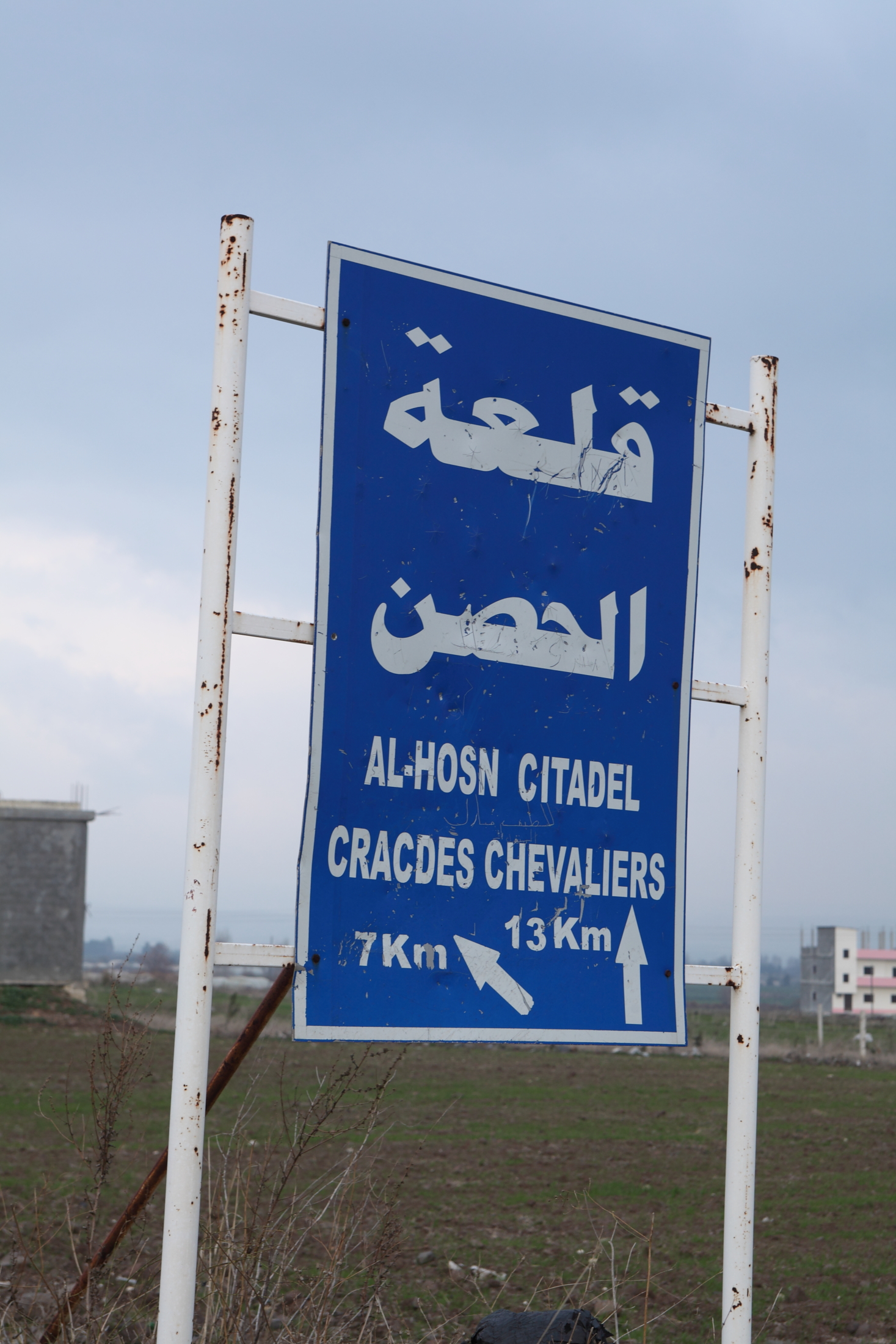
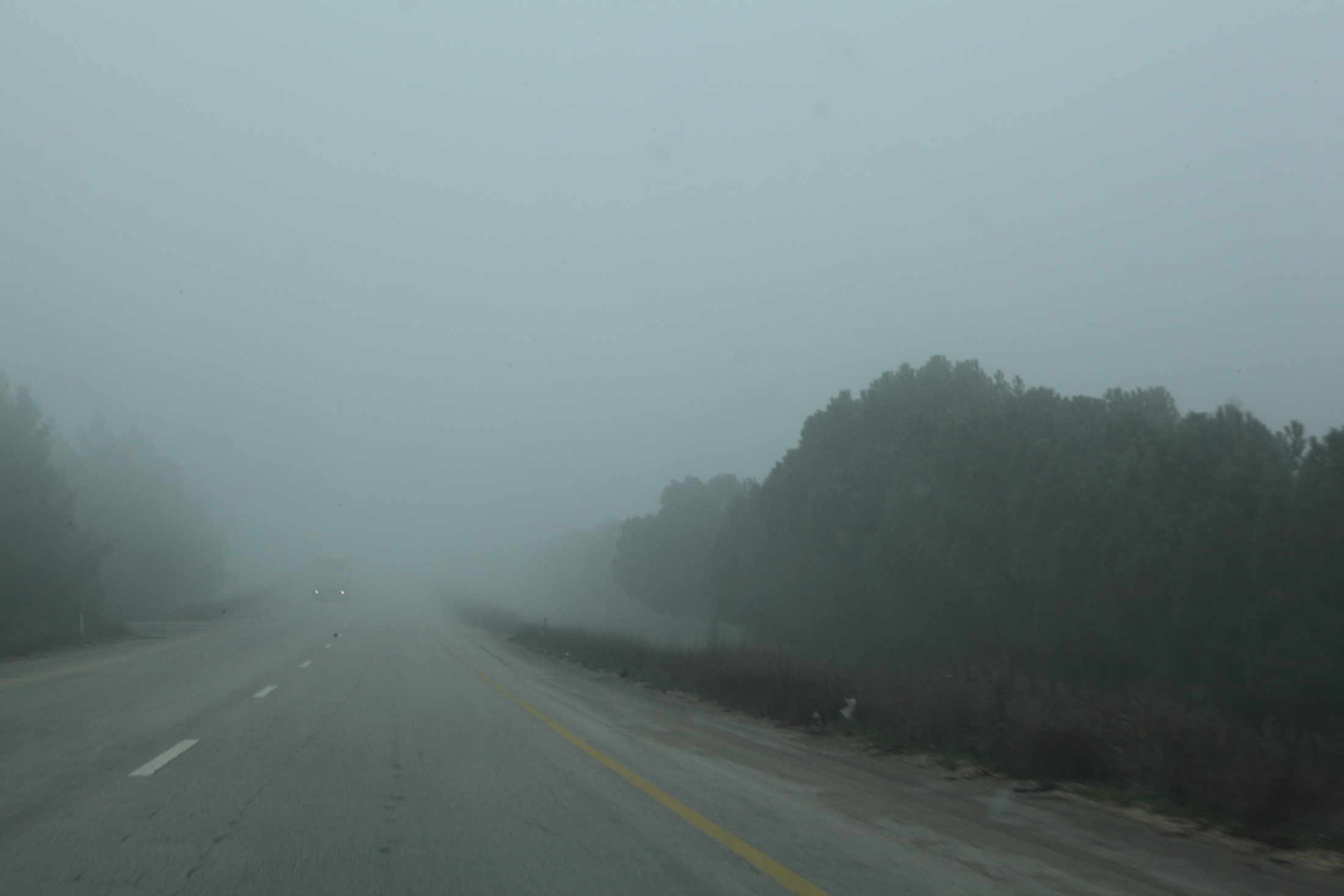
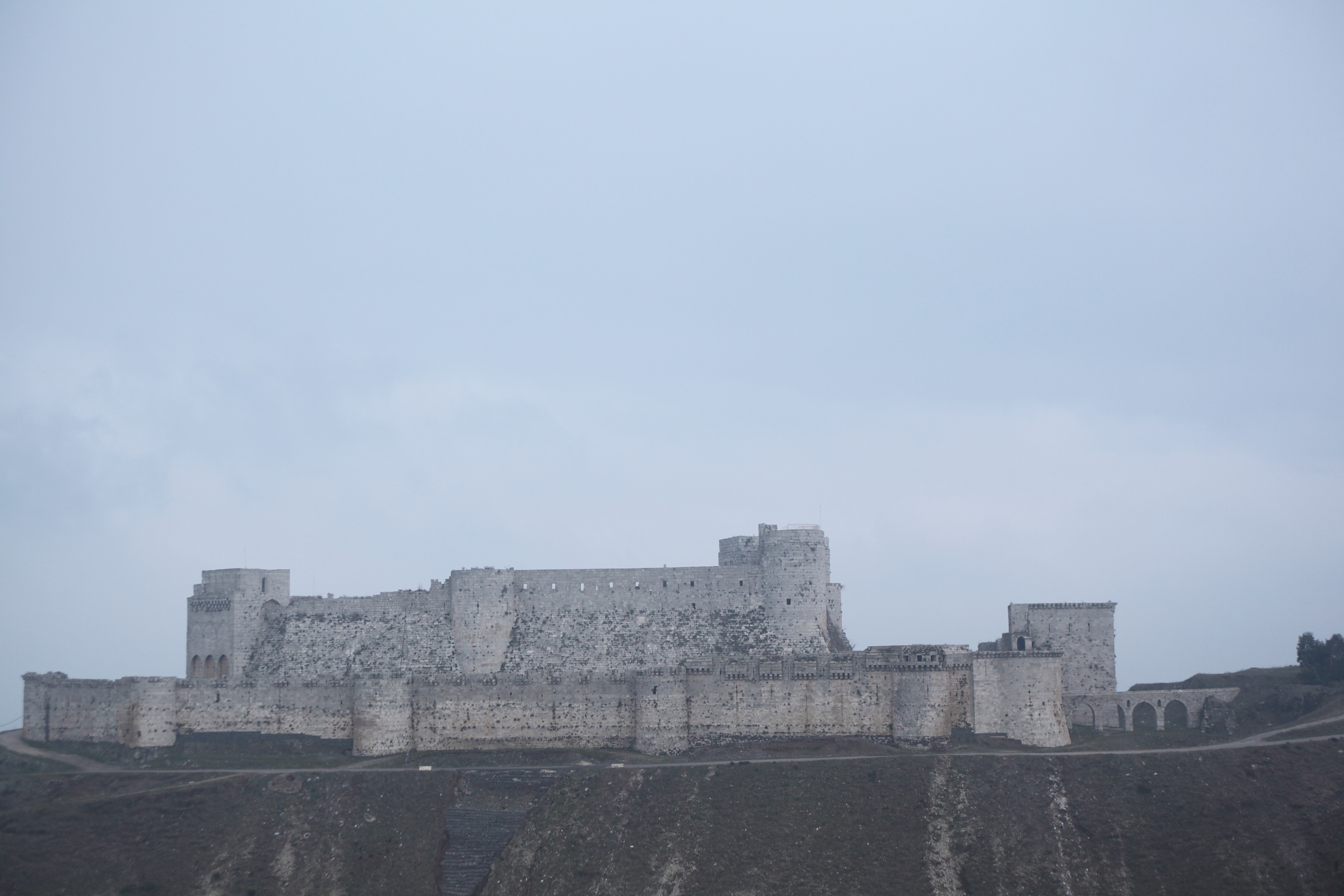
Krak de Chevalier was our next destination. Such a well-known site, it was surprisingly difficult to find. Many signs gave the impression that all roads led there. We chose one and ended up so in the clouds that we could not see where we were going and found ourselves in increasingly smaller towns on an increasingly smaller road. Surely not the way, we u-turned our way back to our starting point and followed a different road.
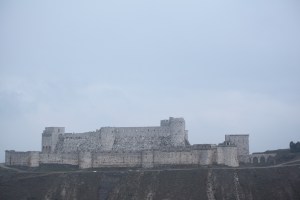
We arrived just in time to see the amazing castle of the Crusades in the setting sun from our empty inn perched on the edge of a cliff. A most spectacular dinner in an enormous hall, also empty. The owner insisted on choosing the menu and we ate forever, everything delicious. We hoped that he would be successful in the height of tourist season. Now there is none.

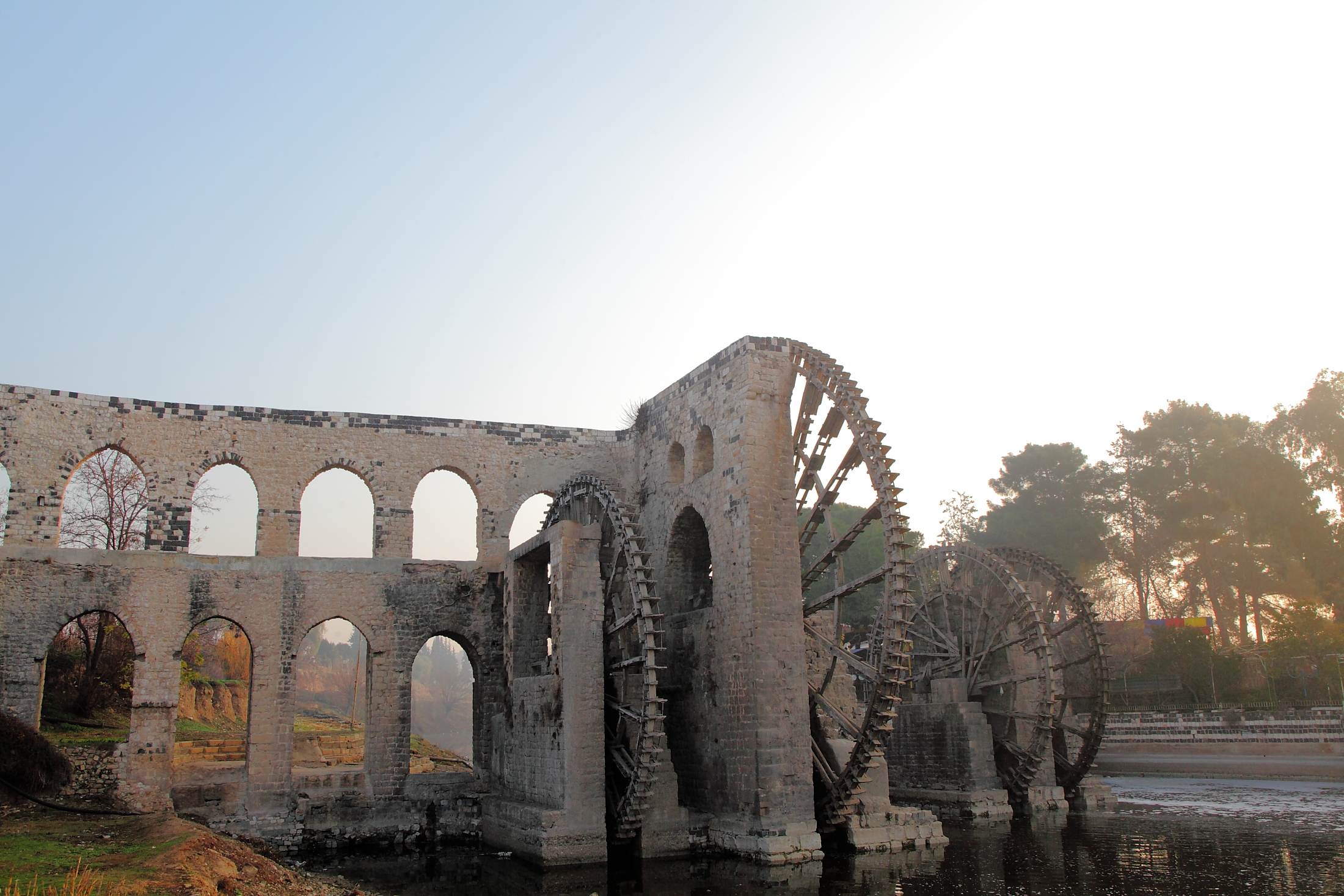
It’s a long drive to our next “must see” so a stopover in Hama is required. Hama of the waterwheels. Hama of the protests and subsequent assault by the Syrian Army in 1982 but peaceful and beautiful when we were there. There is a wonderful walk along the Orontes River passing some of the old wheels. Most of them are now above the waterline and non-functioning but have their own charm. Hama, not so peaceful now and who knows about the ancient waterwheels.
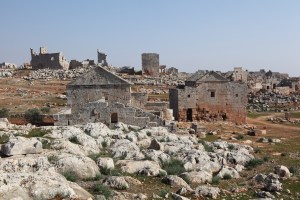
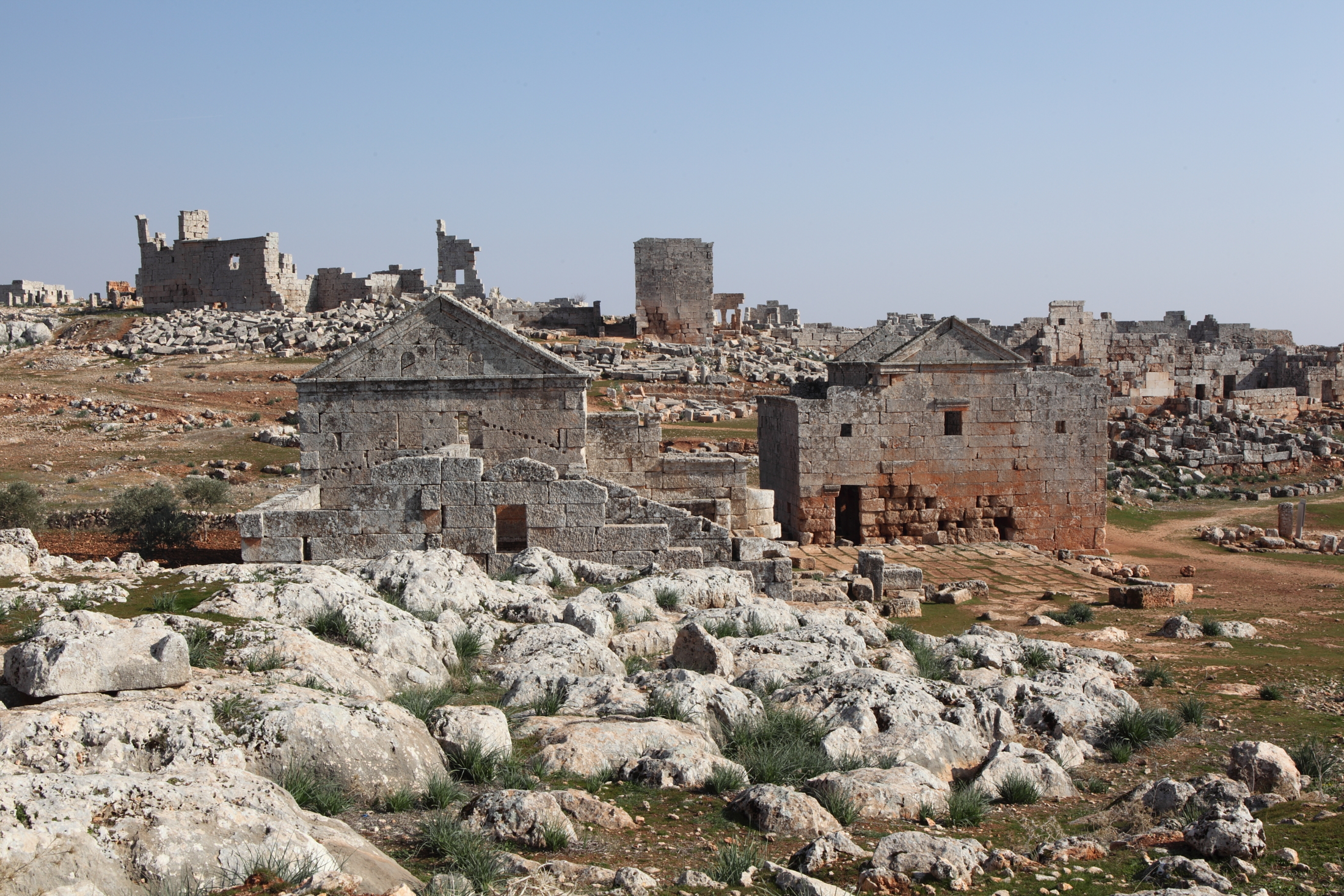
As we made our way to Aleppo, we did a side trip to the area of the Dead Cities. Deserted centuries ago without apparent reason, extensive communities of stone houses dot the hillsides. Some are amazingly intact, others just piles of stones. Unknown histories, unknown causes. Are there more deserted villages in Syria’s future?
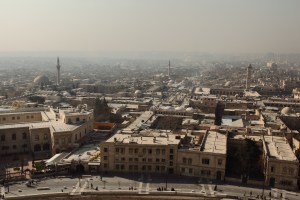
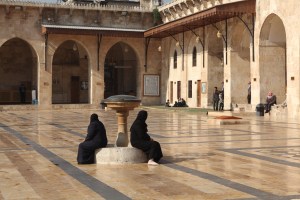
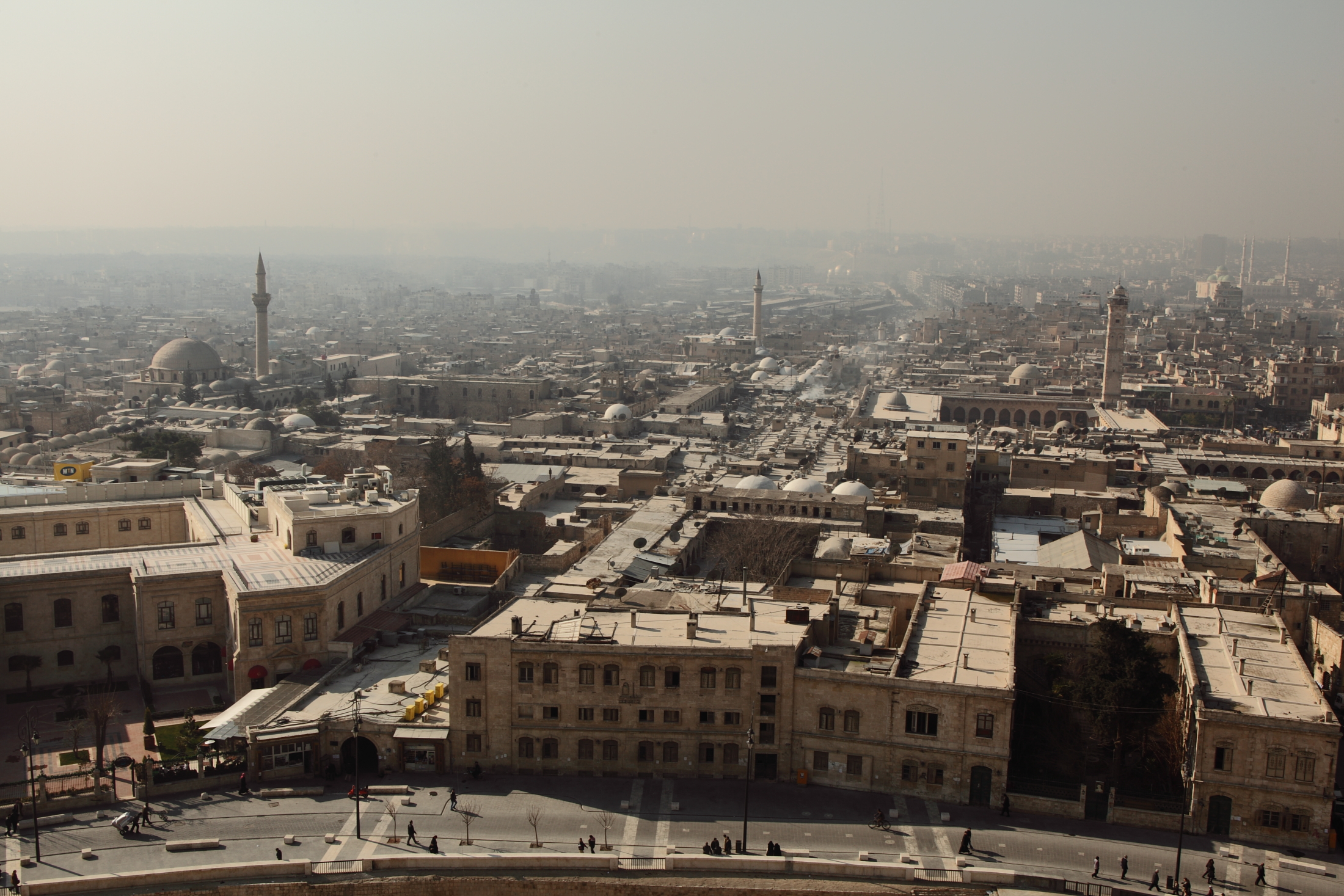
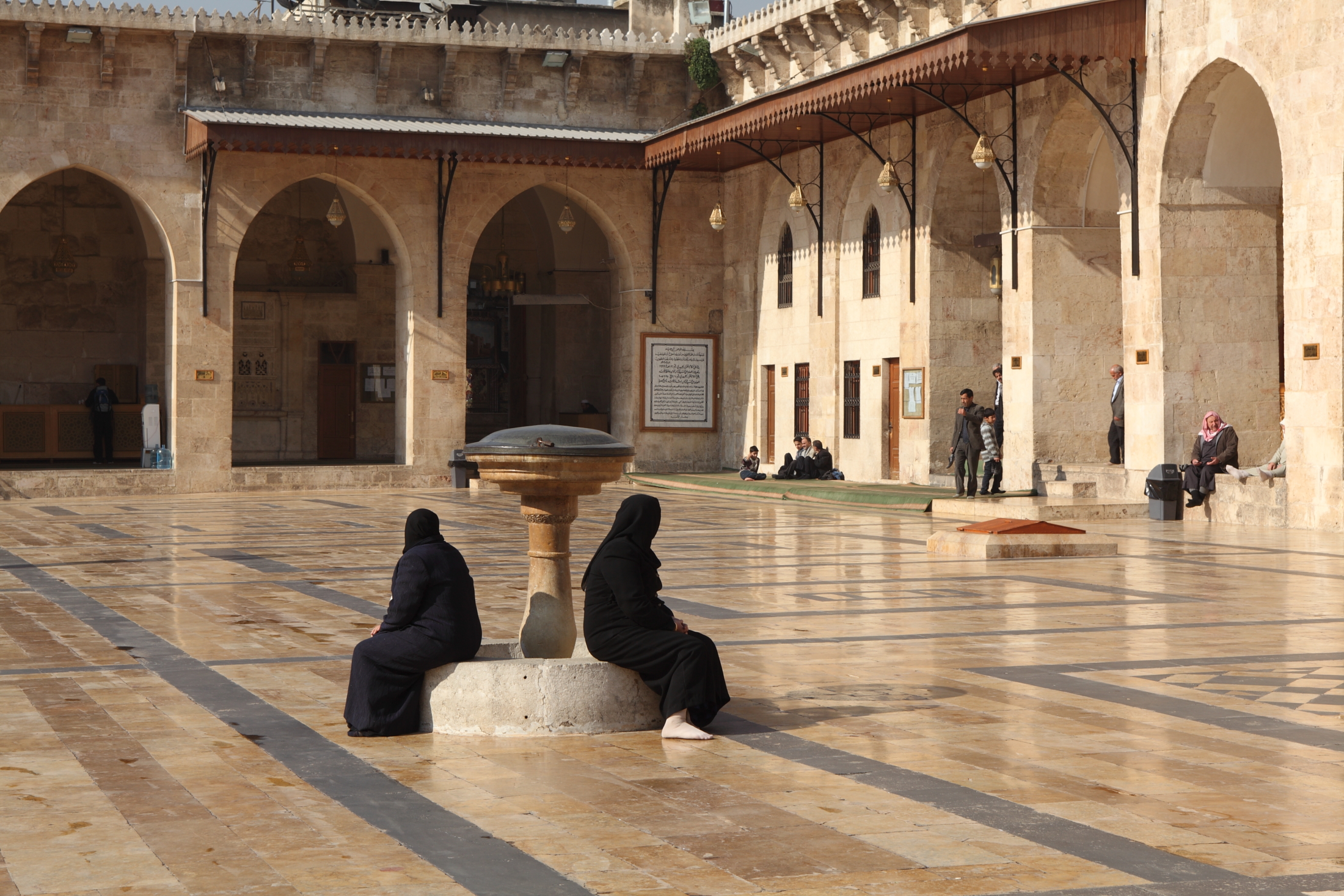
At last, Aleppo and my friend can enjoy the rest of the trip without concern for traffic, maps, wrong turns. By now, he has had enough of trucks and road signs we cannot read. The car is returned and we head toward the old city and a stay on the edge of Aleppo’s souq, lively by day and eerily quiet at night. Two days of idle wandering through this ancient, thriving city provides only a very small taste of its wonders. A place to revisit with more time allotted. Except, the World Heritage-listed Old City is now in ruins and our charming old hotel probably destroyed.
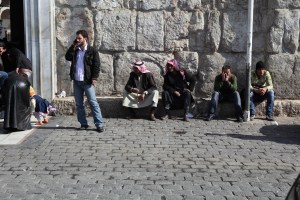
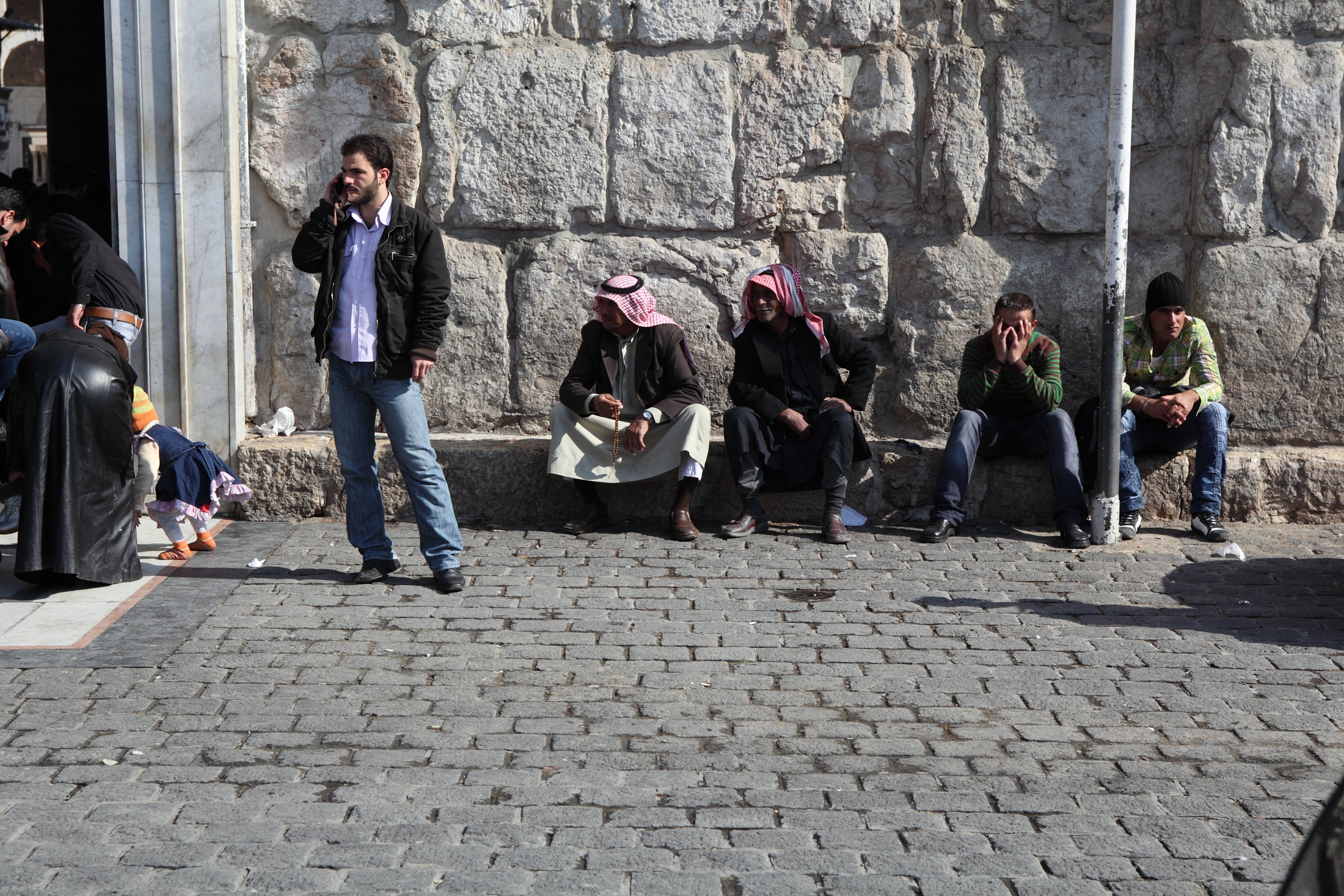
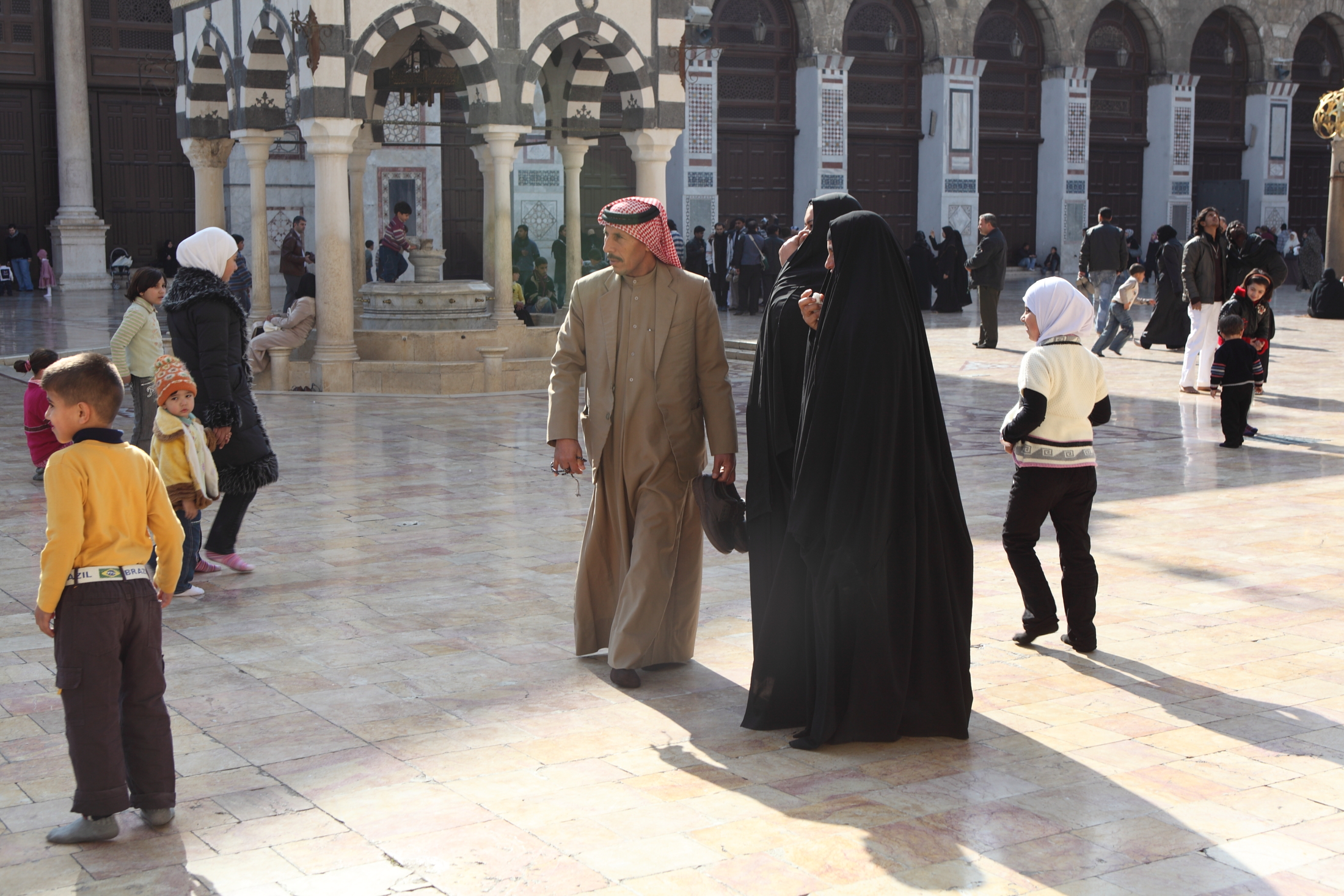
Our way-too-short one week journey to Syria ends with a train ride from Aleppo to Damascus, an excellent way to travel. My friend leaves me there on my own for two days. I wander mostly in the Old City, have tea outside the carpet shop of a Palestinian refugee who longs to be a citizen and dreams of studying political science, admire the modern sculptures of the guard at the National Museum where he has surreptitiously placed them in remote, largely unvisited, galleries but lets me photograph them, then visit the real wonders of the museum. There is much to see in Damascus, so, again, just a taste.

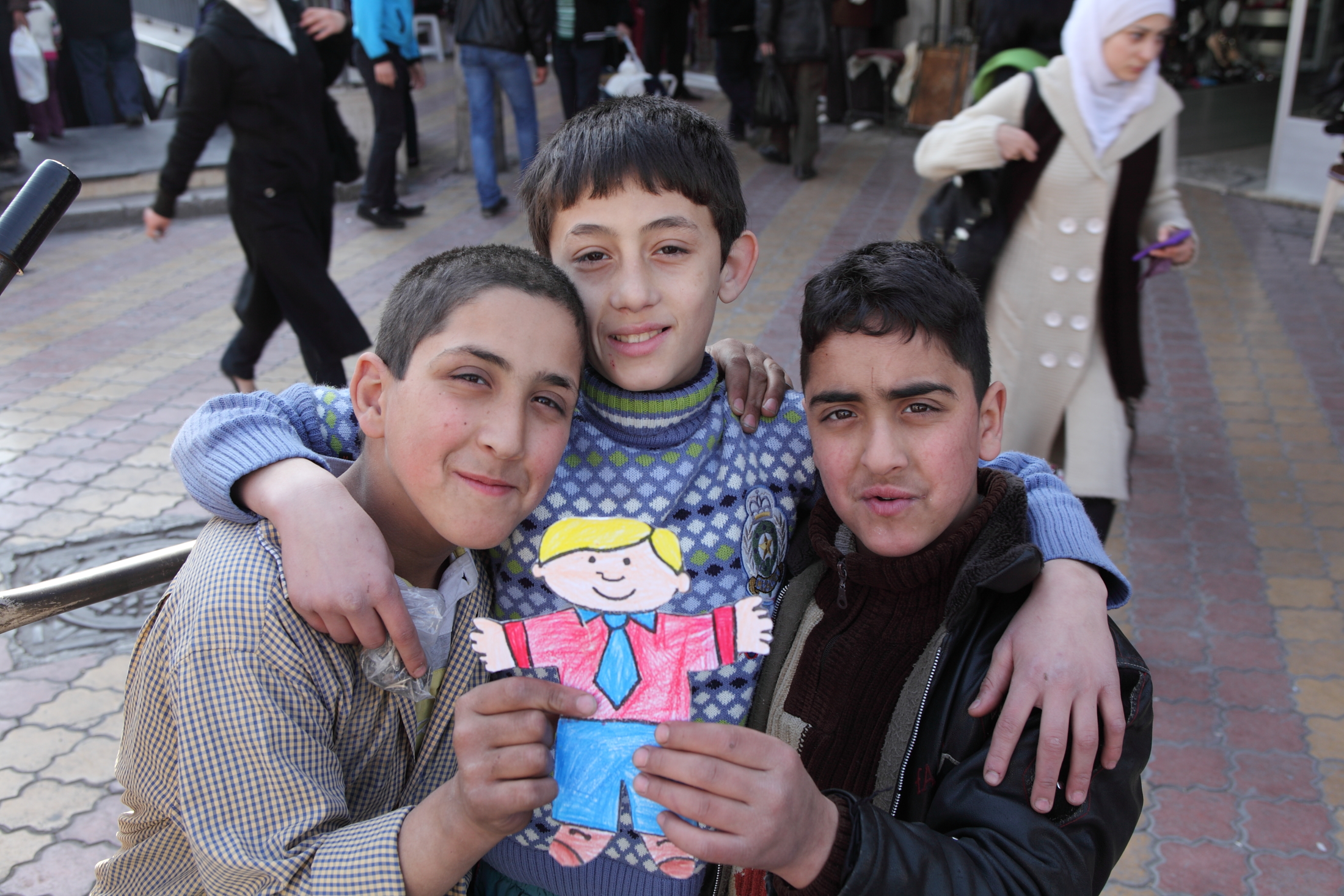
When it is time to end my Syrian journey, I go in search of an ATM to pay the hotel bill. Damascus is not friendly to US banks and none of the European banks that claim to accept any of those little squares listed on my card will spew out cash. The last resort is the currency exchange which will happily take my dollars. The lovely man who makes the exchange regrets the problems I am having but is optimistic that this will soon change. There will be more American tourists. Did I like Syria? Did I like the people? When you come back, things will be different.

Different.






 ontheroadwithjp