Birthday cake # 54

Tags

, ,

20130429-215833.jpg

Since Max, the eldest grandchild at 14, celebrated his first birthday, it has been my responsibility and pleasure to make a cake. My cakes never go up. I don’t build towers or upright characters or anything taller than a flat cake. My cakes are shape cakes that can entail some pretty complex cutting and lots of icing. Icing saves everything.

The first birthday of each of the five grandchildren has been a carousel cake, often fitted out with fantastic wild animals gathered from some trip to an exotic location. Just a simple, round layer cake, sometimes with a pudding filling, sometimes fruit with the animals placed around the edge of the top of the cake. Once, one of the animals was facing the opposite direction, out of sync with the circle, so his better side was on the inside. The beauty of those cakes was that the birthday child got to keep all those animals and, eat the icing that stuck!

Subsequent cakes have represented favorite toys, characters or passions. When they reach the age of choice, they make specific requests. Once they reach the “decade” years, the goal becomes one of “how can I stump Grandma” ideas. Rarely does a cake come together without some angst. Frequently, there is not enough icing. How do I make the wings? How do I make red food coloring make red icing instead of pink. What will make a good Elmo nose? What does that child have in mind? OMG, I forgot to take the cake out of the pan and it’s stuck.

Have you ever thought of a pop-eyed catalufa cake? That was the request of two-year-old Gavin who was a frequenter of the Aquarium and knew all the proper names of the fish, unlike me who would point out that pretty orange fish. After the first visit, I always picked up the fish guide so I was better informed.

A red fire engine makes a great cake for the 3ish set. A pink fire engine will not do but that’s what one gets with the red food coloring. The icing keeps getting thinner and thinner but will never turn red. Luck was with me that year as the birthday was near Christmas so there were plenty of red sugar crystals. This was, by far, the sweetest cake ever made.

Alligators are great subjects. Just the head with a wide open mouth. But what about the teeth? Easy. Uppers and lowers, rows of candy corn. Bright green icing. Alligator.

Elmo benefitted from the red sugar knowledge but his most dramatic feature is that giant nose. A circle of cake? A cupcake with orange icing? Ah, a ripe apricot and the little one screamed, “Elmo,” as soon as she saw the cake. Success.

Dora made an appearance with her dark hair in bangs. Zoe’s request. Zoe, who looked a lot like Dora at that age. Everyone at the party thought it was a Zoe cake. Zoe thought it was a Dora cake and that is all that mattered.

Max has always pushed the envelope with imaginary jewel-winged creatures (it’s not like my imagination—but I like it), Peek-a-Poohs, those little animals within an animal, a figure with a naked mole rat in his pocket, and the Swiss Army knife with, of course, all the attachments and that diabolical red!

It’s a long list: violin, candy bars, the Eiffel Tower, growing gardens, sunflowers with mango petals. No request refused, no cake uneaten or unloved.

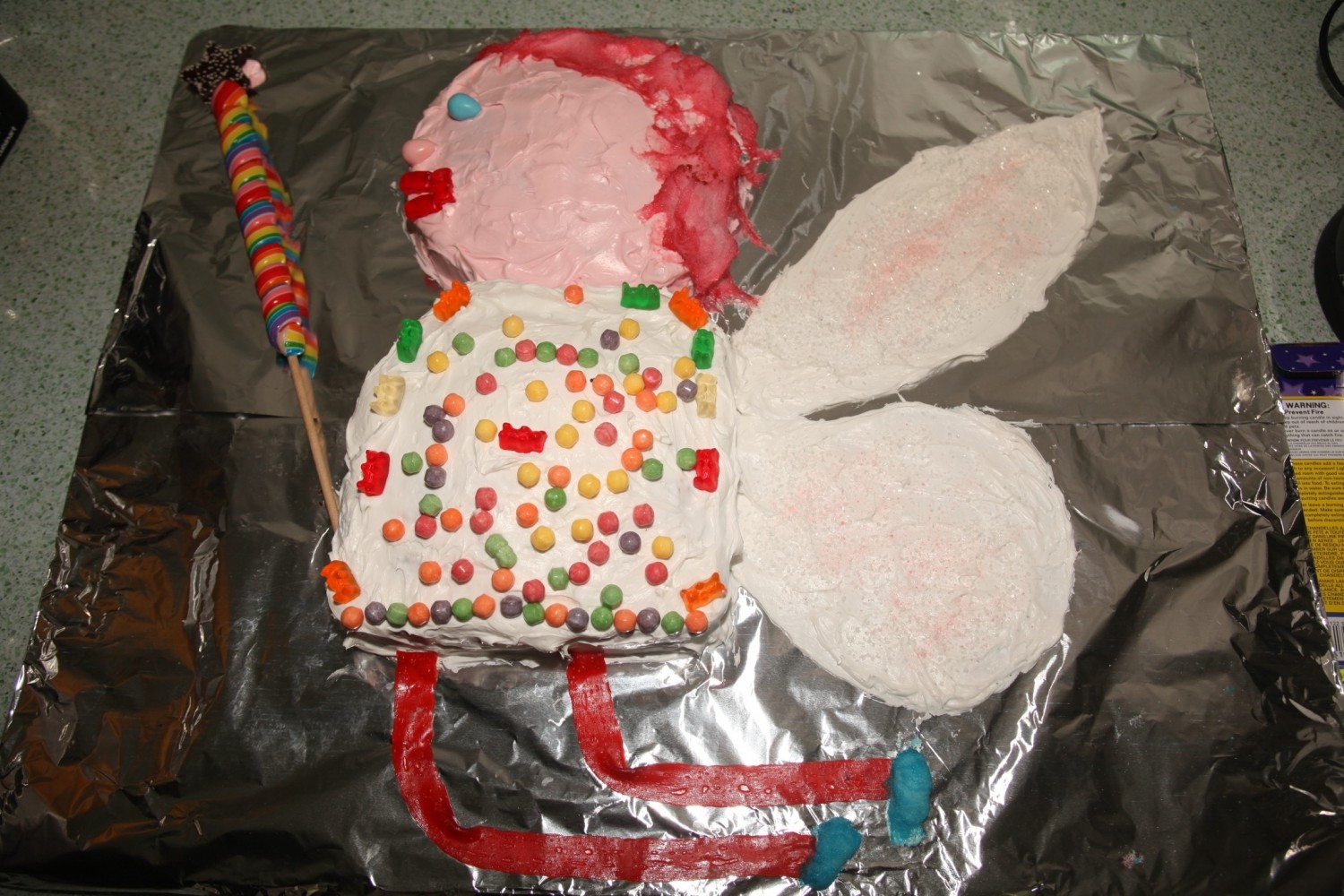
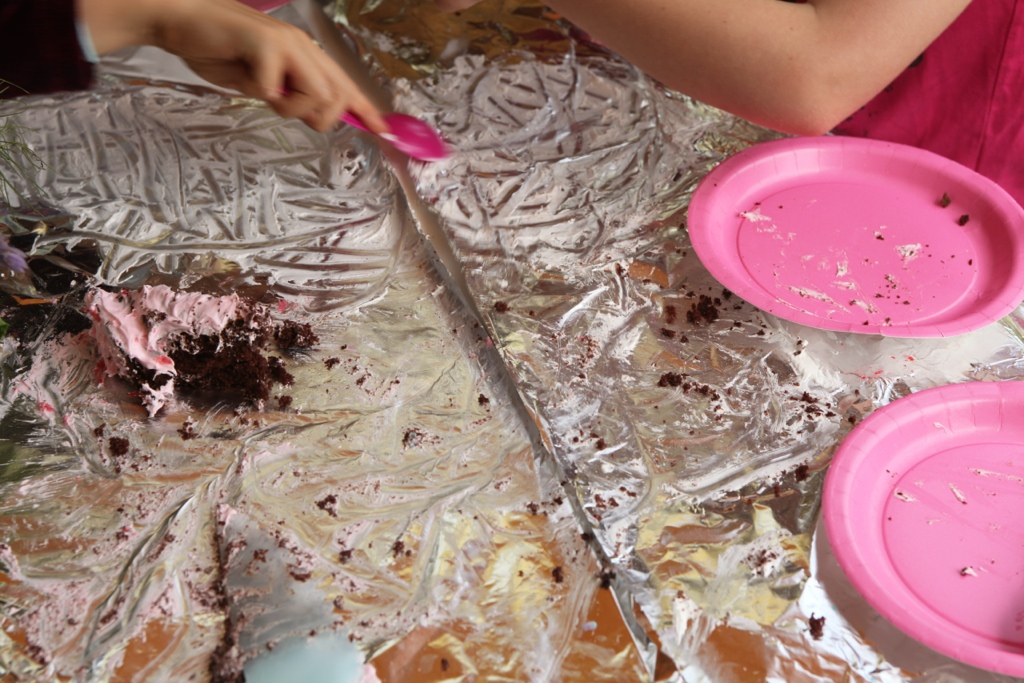
Now I am on that cake #54. The request is for a fairy cake. Surprisingly, what with three girls in the family, this is a first and would seem to be a small challenge. Not so. Wings, wands, arms, legs, way too much detail for a simple square plus round layer and the small challenge looms large. There is always a solution and this one is to make the fairy a candy fairy. Forget cutting the cake to make the wings, the wings will be icing on the serving board. Just swipe with a finger for an extra sweet morsel. Finish off the dress with Gummy Bears and small Sweet Tarts, cotton candy for hair, legs of fruit roll-ups and a candy-swirl all-day sucker with a Trader Joe’s star cookie on top for a wand. Candy Fairy extraordinaire. Guaranteed sugar crush, sugar crash, but what a cake. It was the proverbial platter licked clean. Challenge met. Everyone is happy.
20130429-221628.jpg

Cake #55 coming up. Candy Fairy a tough act to follow.
Remembering Syria

Tags

, ,

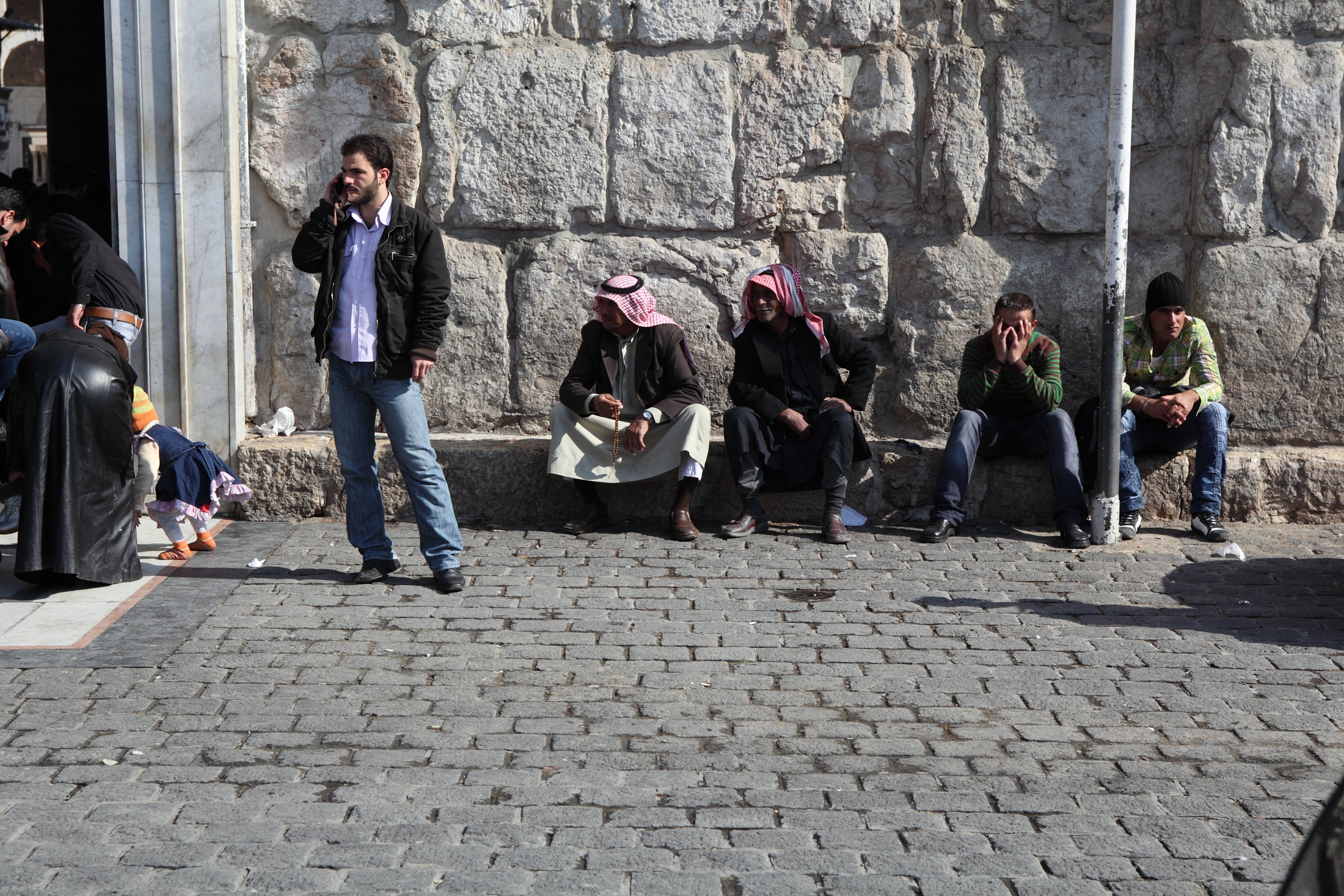
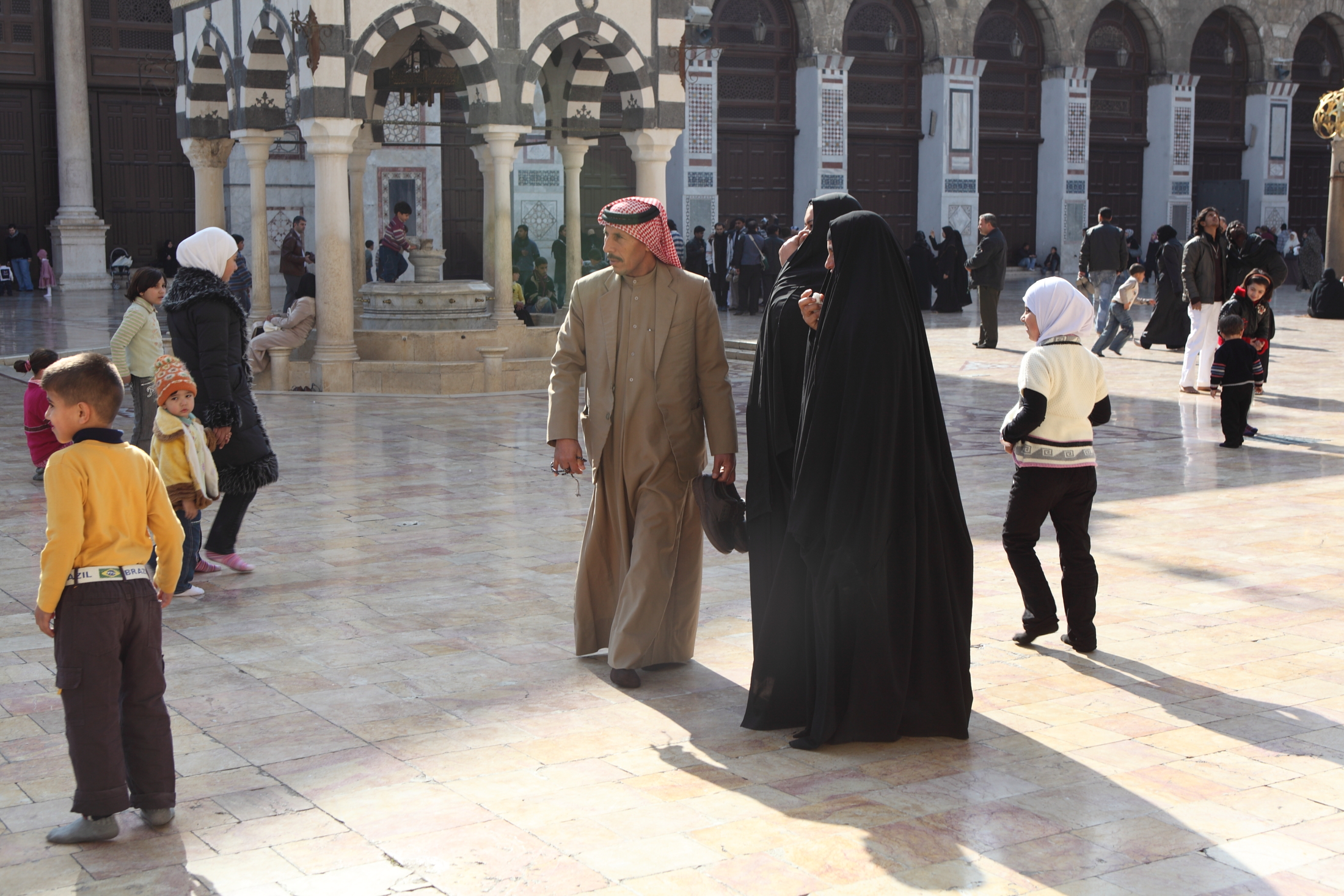
When I hear the awful news from Syria, a part of me is very sad.  Another part is grateful as I visited that remarkable country in January of 2011.  I had not been home more than a month or two when it was no longer possible to travel there. The trip was an add-on to a journey through Egypt and Jordan, also very changed from that time.

IMG_8926

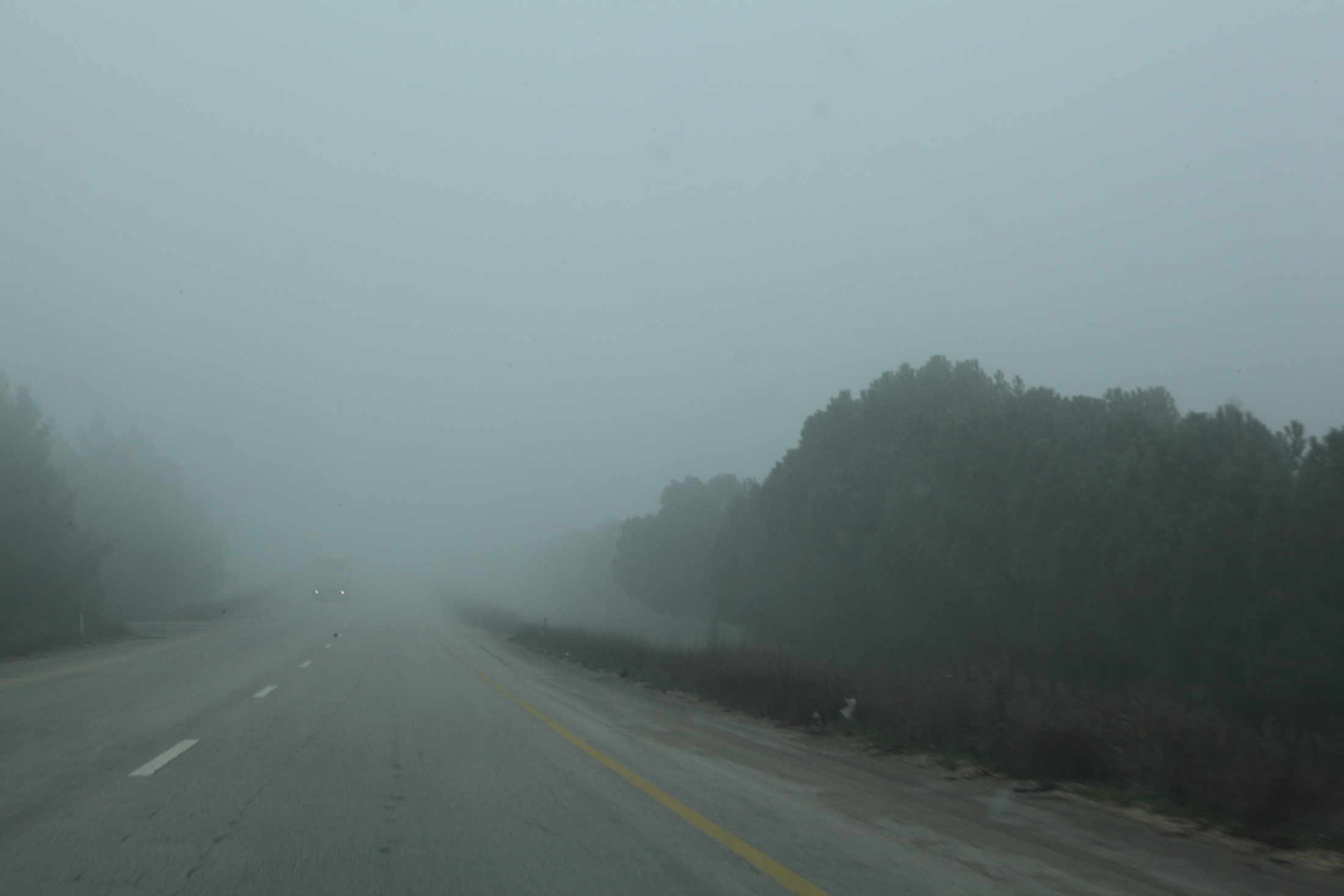
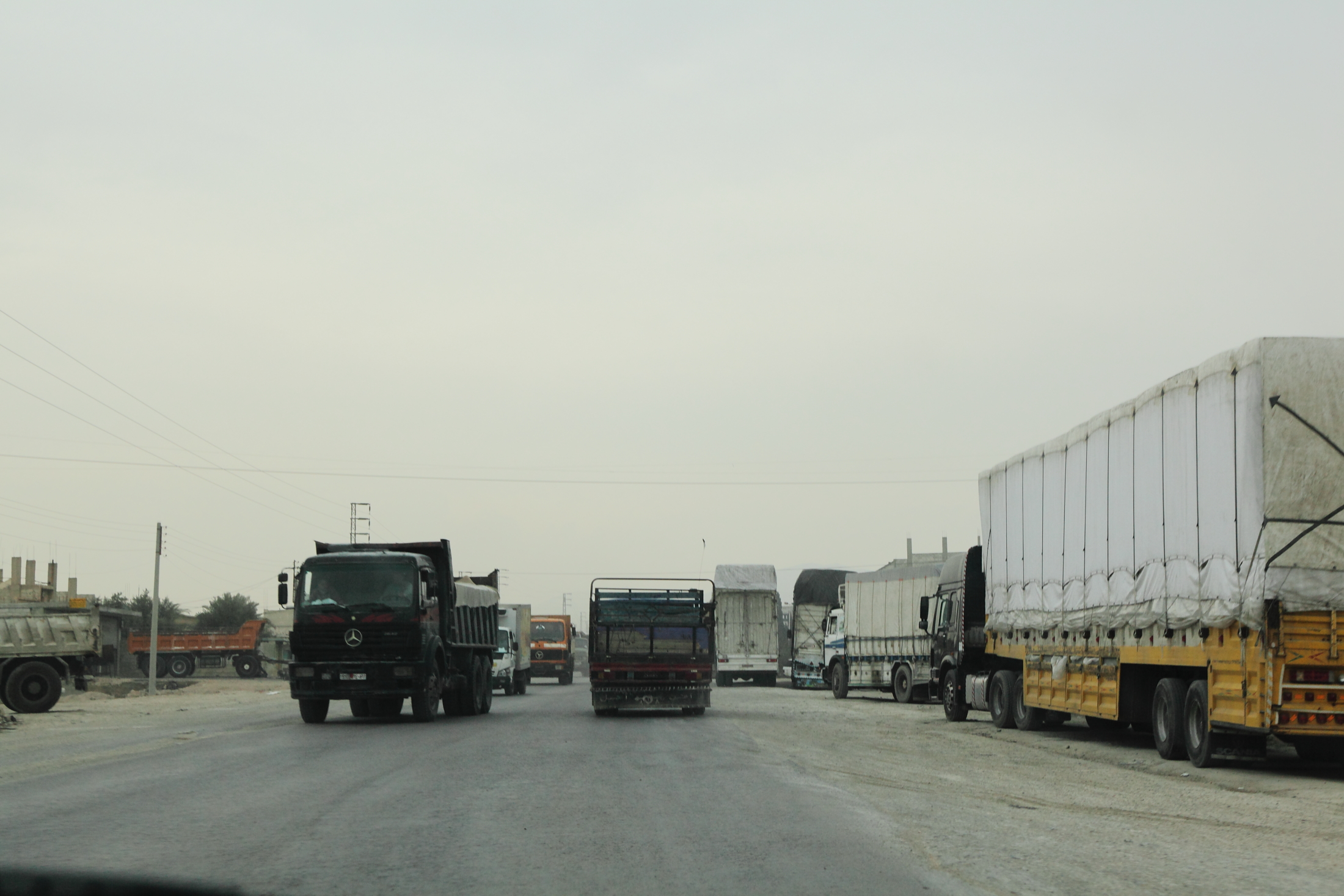
My travels through Syria were with my wonderful Catalan friend as driver and protector. A taxi drove us from Amman, Jordan to the airport in Damascus where we picked up a rental car and headed off into the mist armed with a sketchy itinerary, just a list of “must sees”, along with a frightening number of very large trucks.

IMG_8938

First stop, Palmyra, the ancient, mostly Roman ruins several hours northeast of Damascus. We arrived in the dark but found our way to accommodations very near the site, settled into our rooms then out for dinner. In this remote part of Syria, my friend proved that the world is small. Understand that he is Catalan, from Barcelona. Soccer. Syrians love soccer. Everyone loves Barça! Especially the souvenir shop owner who had every conceivable bit of soccer memorabilia including a large photo-poster of the Barça team on the wall, on his motorcycle a Catalan flag. I thought we might have to stay in Palmyra forever, the man was so excited. It was no different all over Syria. Not a bad thing.

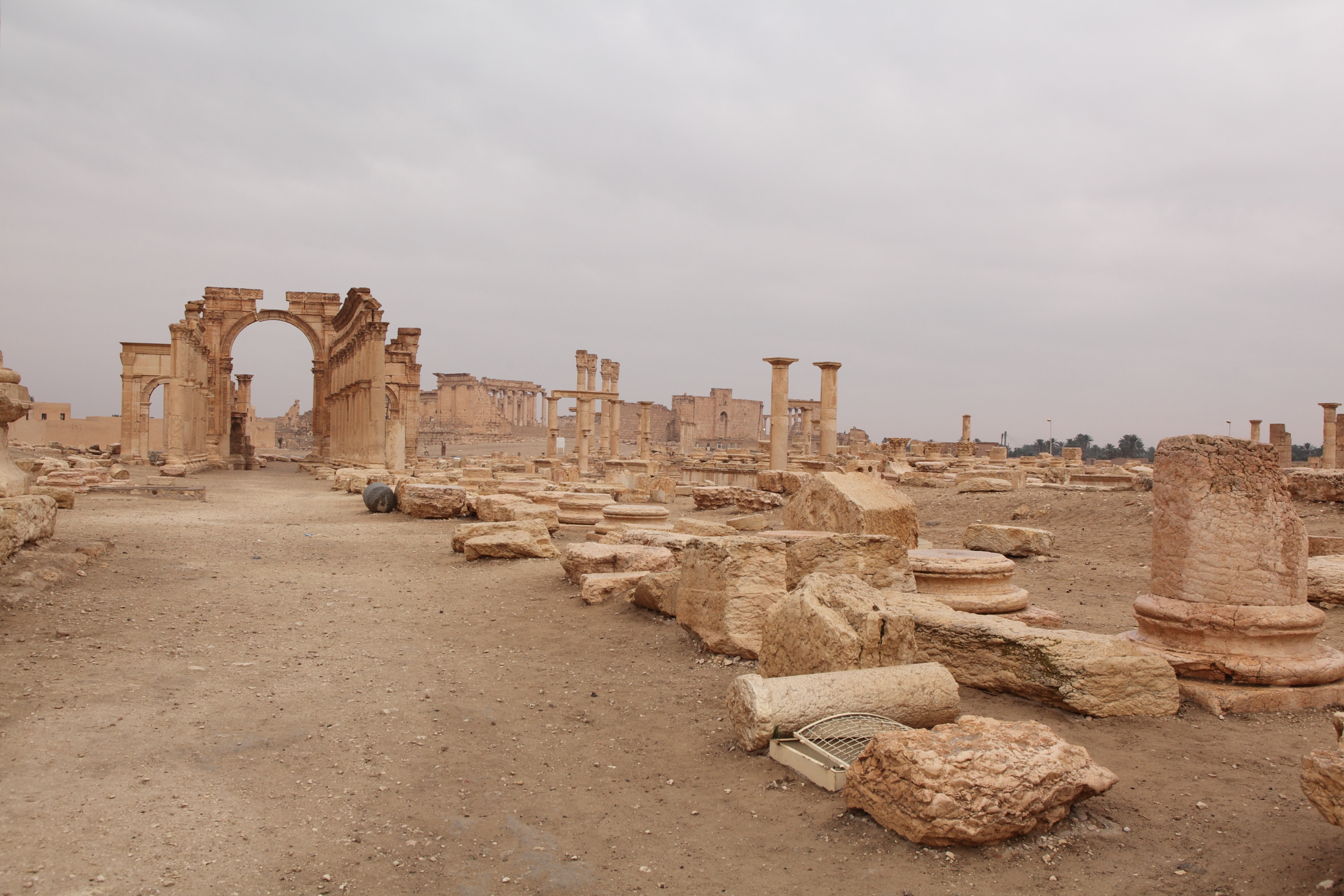
Palmyra in the rain. There is little rain in this part of Syria, so it was a surprise. The good part was not a single tourist bus and a good portion of our visit done with no one in sight. A different yet powerful experience as we walked along the empty roads, peeking into the destroyed temples, imagining what it must have been. Now wondering how much of Syria is rubble.

IMG_8991IMG_8987

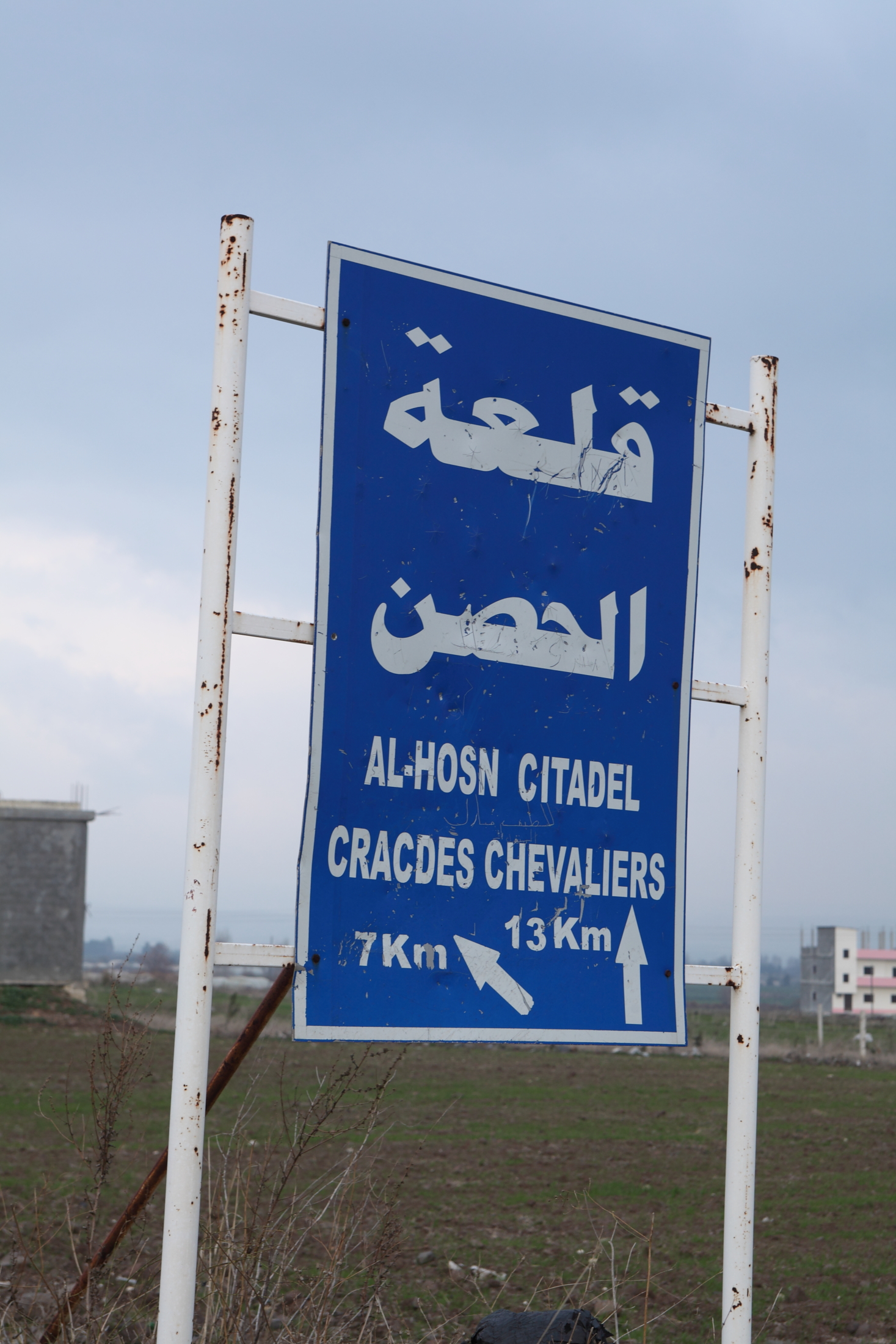
Krak de Chevalier was our next destination. Such a well-known site, it was surprisingly difficult to find. Many signs gave the impression that all roads led there. We chose one and ended up so in the clouds that we could not see where we were going and found ourselves in increasingly smaller towns on an increasingly smaller road. Surely not the way, we u-turned our way back to our starting point and followed a different road.

IMG_8995

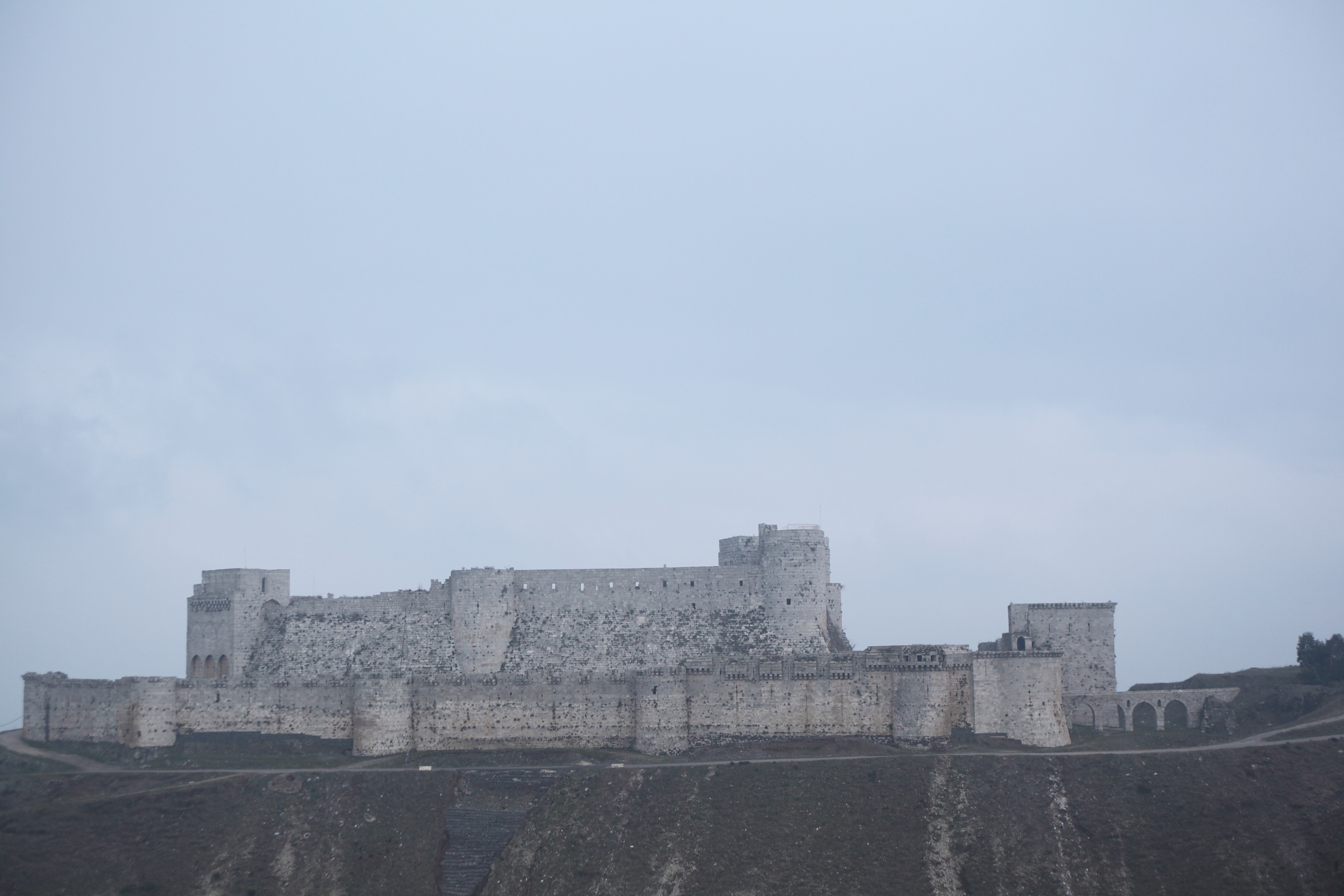
We arrived just in time to see the amazing castle of the Crusades in the setting sun from our empty inn perched on the edge of a cliff. A most spectacular dinner in an enormous hall, also empty. The owner insisted on choosing the menu and we ate forever, everything delicious. We hoped that he would be successful in the height of tourist season. Now there is none.

IMG_9120

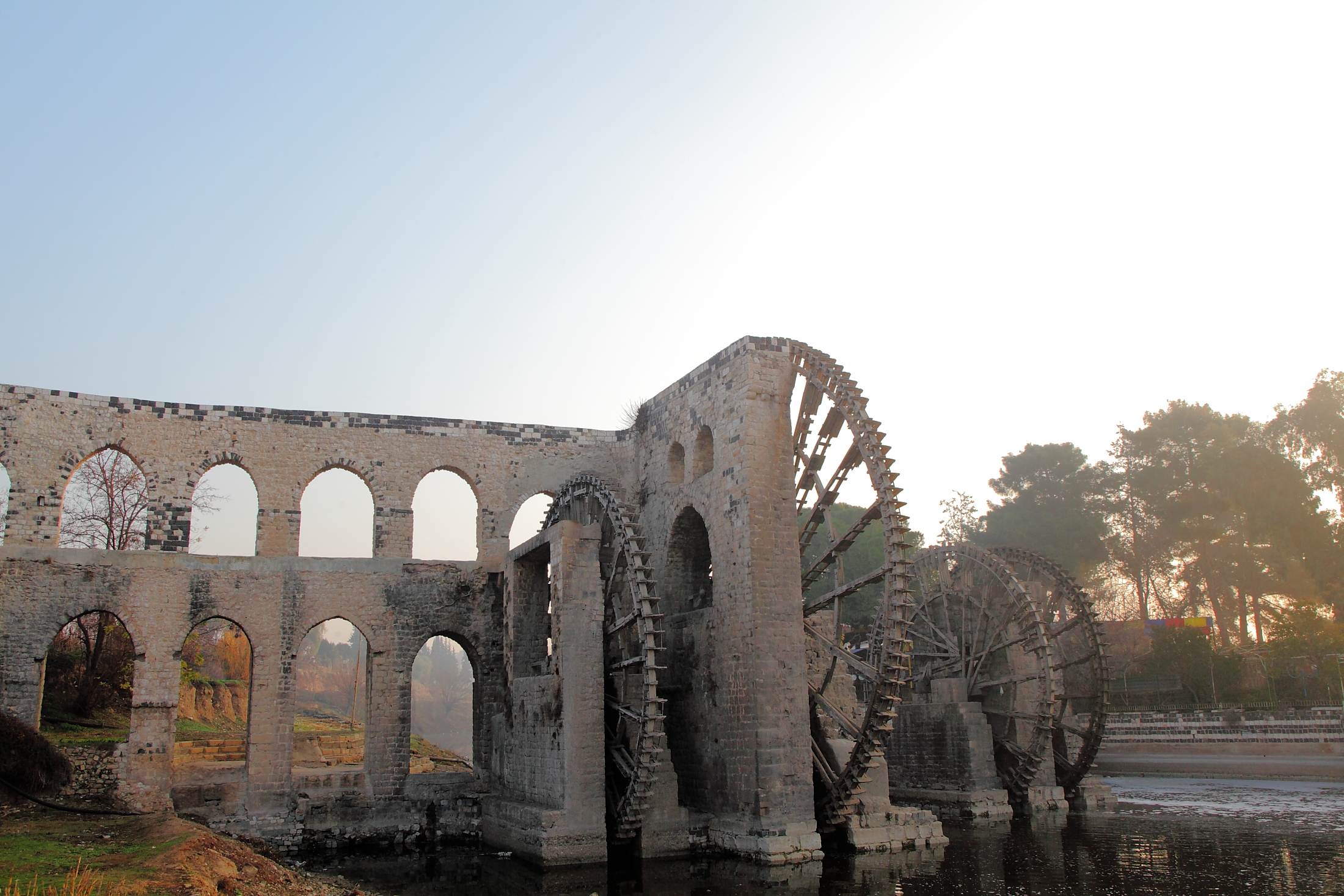
It’s a long drive to our next “must see” so a stopover in Hama is required. Hama of the waterwheels. Hama of the protests and subsequent assault by the Syrian Army in 1982 but peaceful and beautiful when we were there. There is a wonderful walk along the Orontes River passing some of the old wheels. Most of them are now above the waterline and non-functioning but have their own charm. Hama, not so peaceful now and who knows about the ancient waterwheels.

IMG_9158

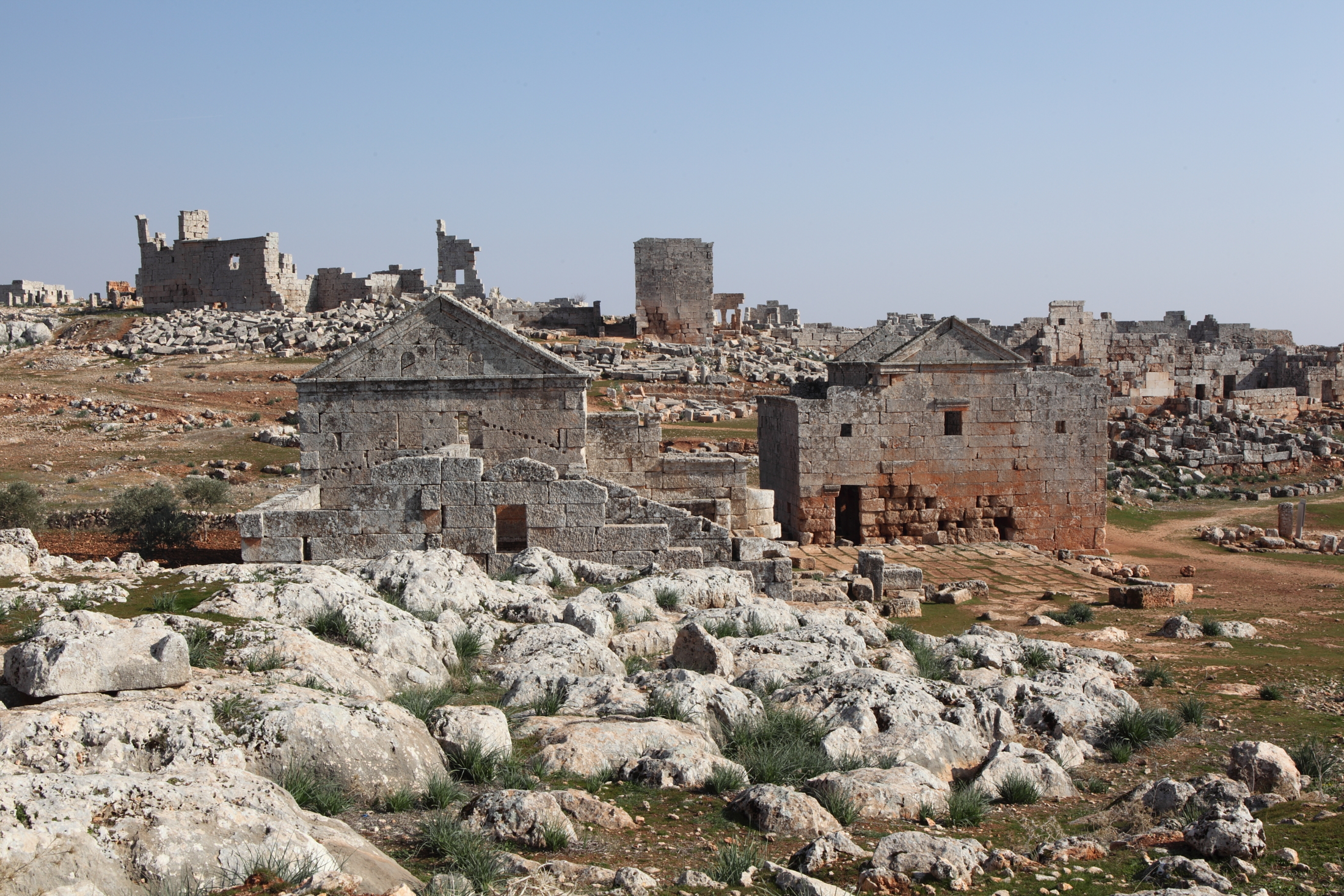
As we made our way to Aleppo, we did a side trip to the area of the Dead Cities. Deserted centuries ago without apparent reason, extensive communities of stone houses dot the hillsides. Some are amazingly intact, others just piles of stones. Unknown histories, unknown causes. Are there more deserted villages in Syria’s future?

IMG_9201IMG_9187

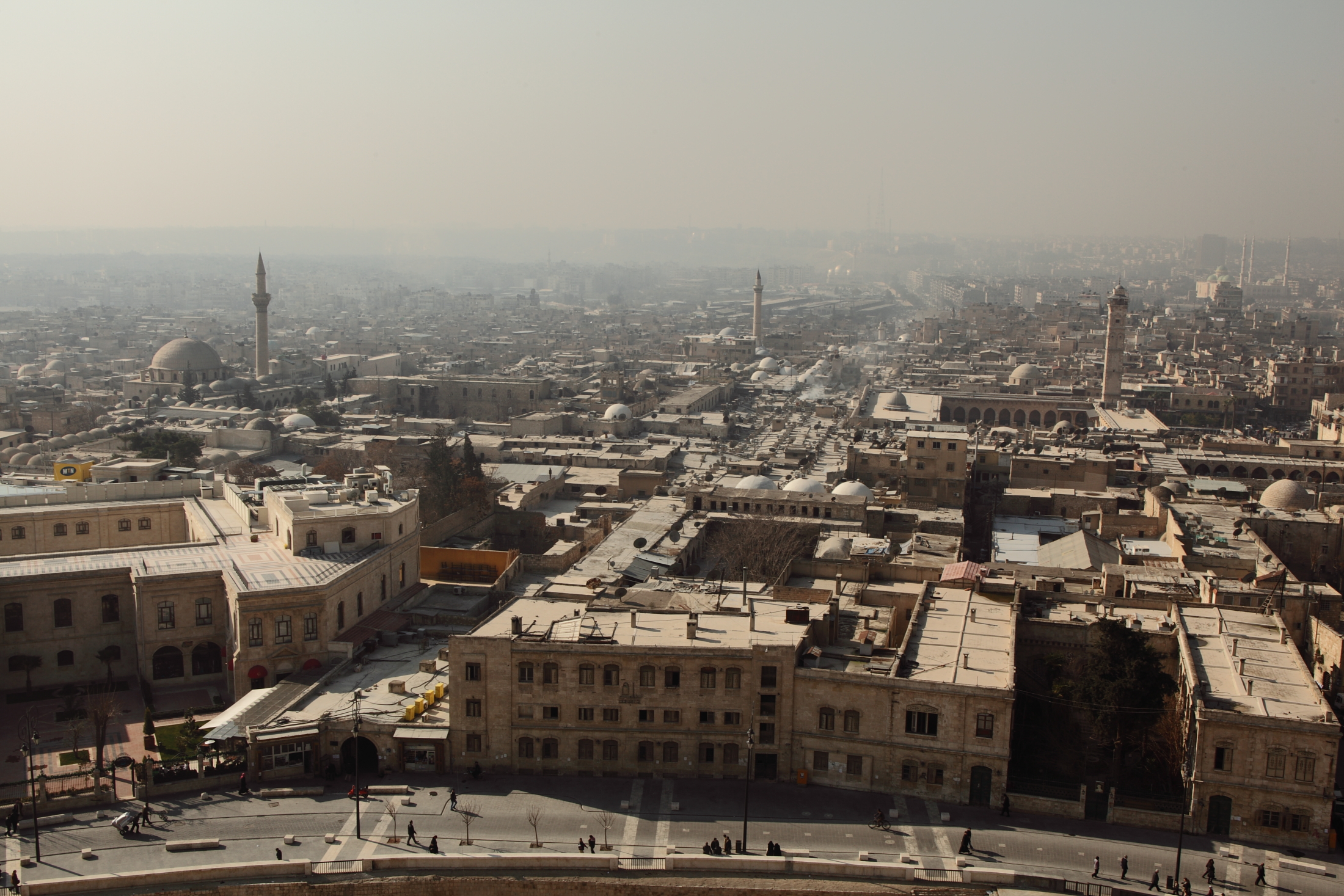
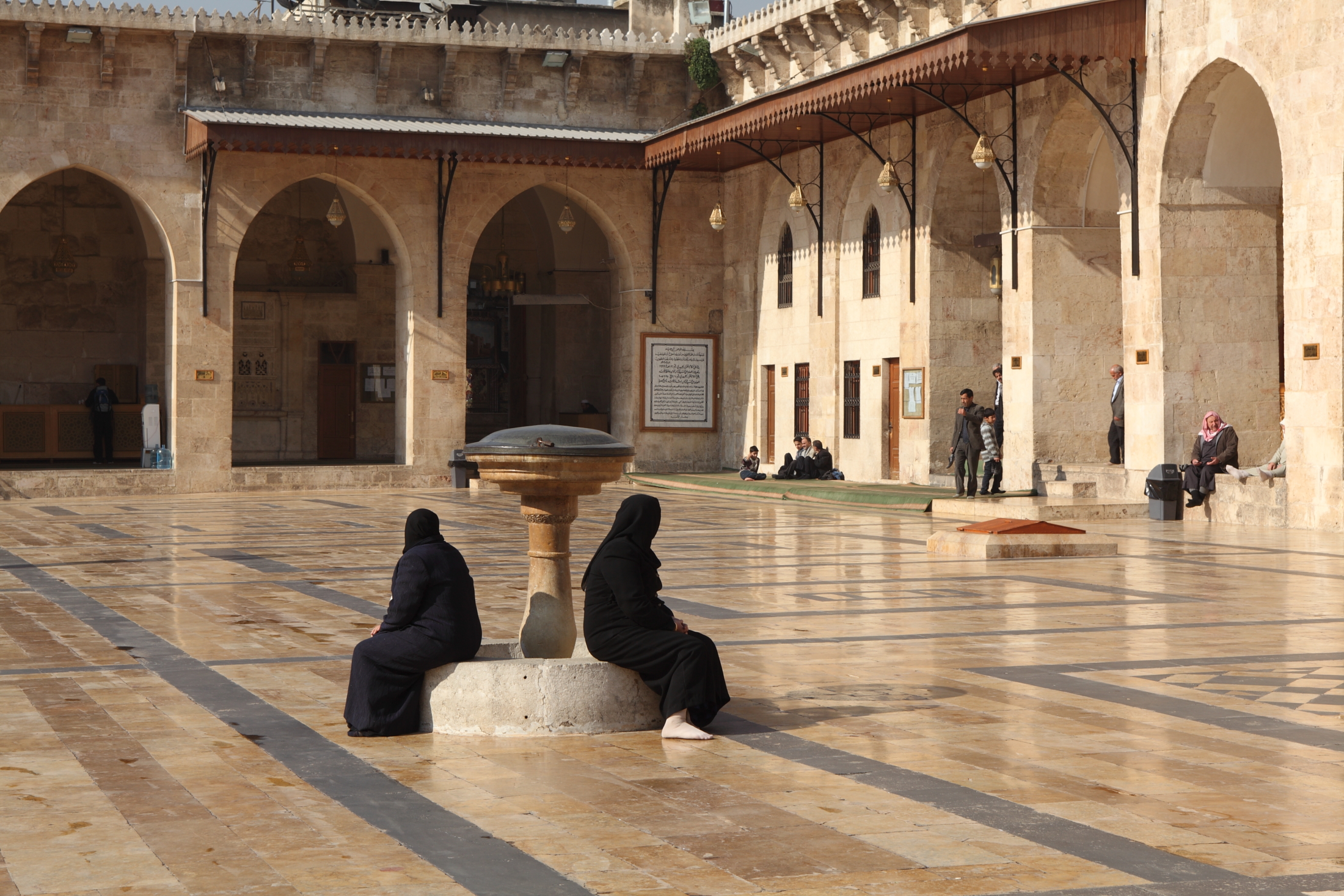
At last, Aleppo and my friend can enjoy the rest of the trip without concern for traffic, maps, wrong turns. By now, he has had enough of trucks and road signs we cannot read. The car is returned and we head toward the old city and a stay on the edge of Aleppo’s souq, lively by day and eerily quiet at night. Two days of idle wandering through this ancient, thriving city provides only a very small taste of its wonders. A place to revisit with more time allotted. Except, the World Heritage-listed Old City is now in ruins and our charming old hotel probably destroyed.

IMG_9257

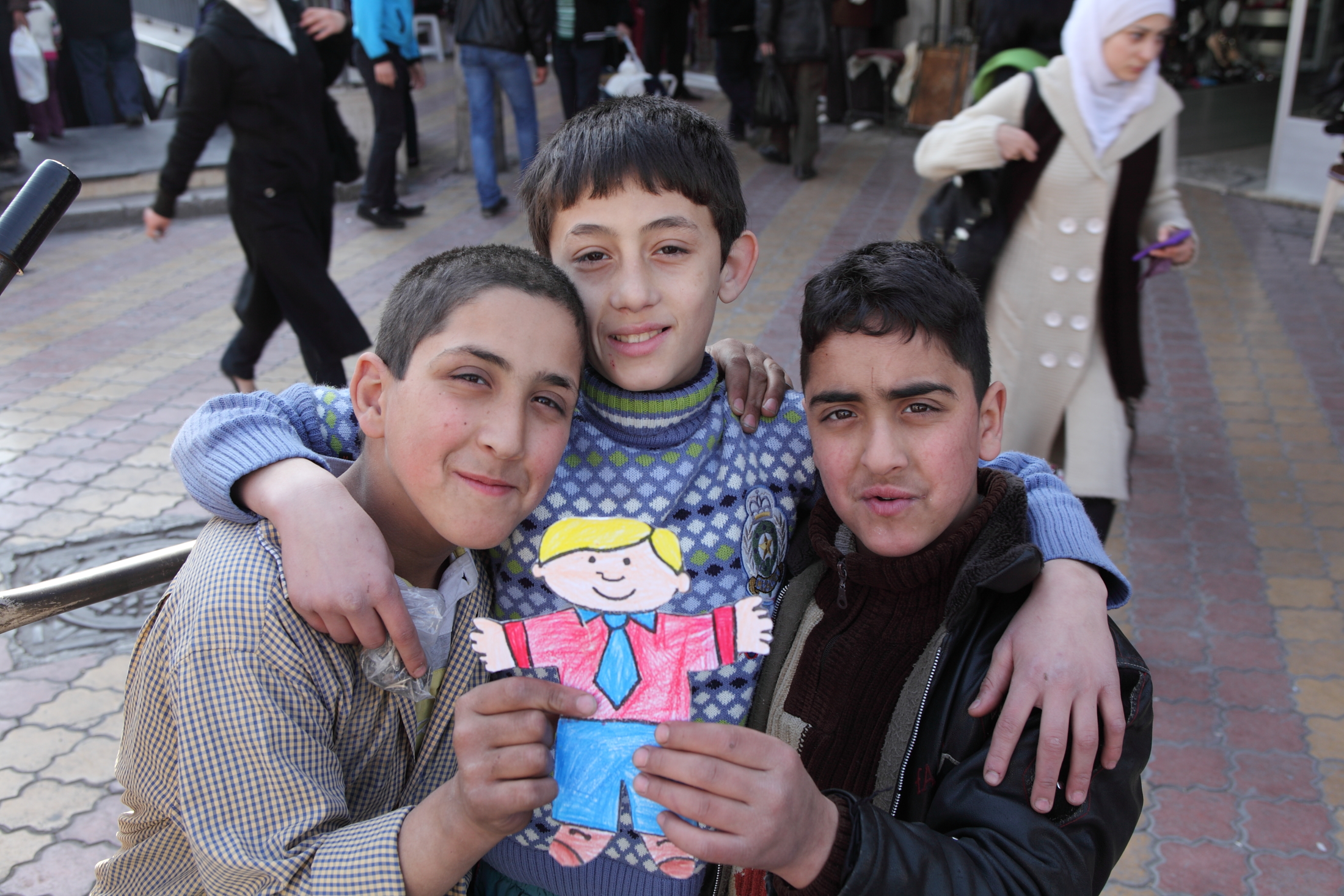
Our way-too-short one week journey to Syria ends with a train ride from Aleppo to Damascus, an excellent way to travel. My friend leaves me there on my own for two days. I wander mostly in the Old City, have tea outside the carpet shop of a Palestinian refugee who longs to be a citizen and dreams of studying political science, admire the modern sculptures of the guard at the National Museum where he has surreptitiously placed them in remote, largely unvisited, galleries but lets me photograph them, then visit the real wonders of the museum. There is much to see in Damascus, so, again, just a taste.

IMG_9250

When it is time to end my Syrian journey, I go in search of an ATM to pay the hotel bill. Damascus is not friendly to US banks and none of the European banks that claim to accept any of those little squares listed on my card will spew out cash. The last resort is the currency exchange which will happily take my dollars. The lovely man who makes the exchange regrets the problems I am having but is optimistic that this will soon change. There will be more American tourists. Did I like Syria? Did I like the people? When you come back, things will be different.

IMG_9366-1

Different.

Beds I have known

Tags

, ,

IMG_0543

One thing about traveling is that you rarely know in advance about the bed. This can lead to interesting and, sometimes, sleepless nights. Perhaps not such an issue if you travel the 5 star route but also less interesting. Where is the adventure in a predictably comfy hotel?

IMG_4704IMG_6231

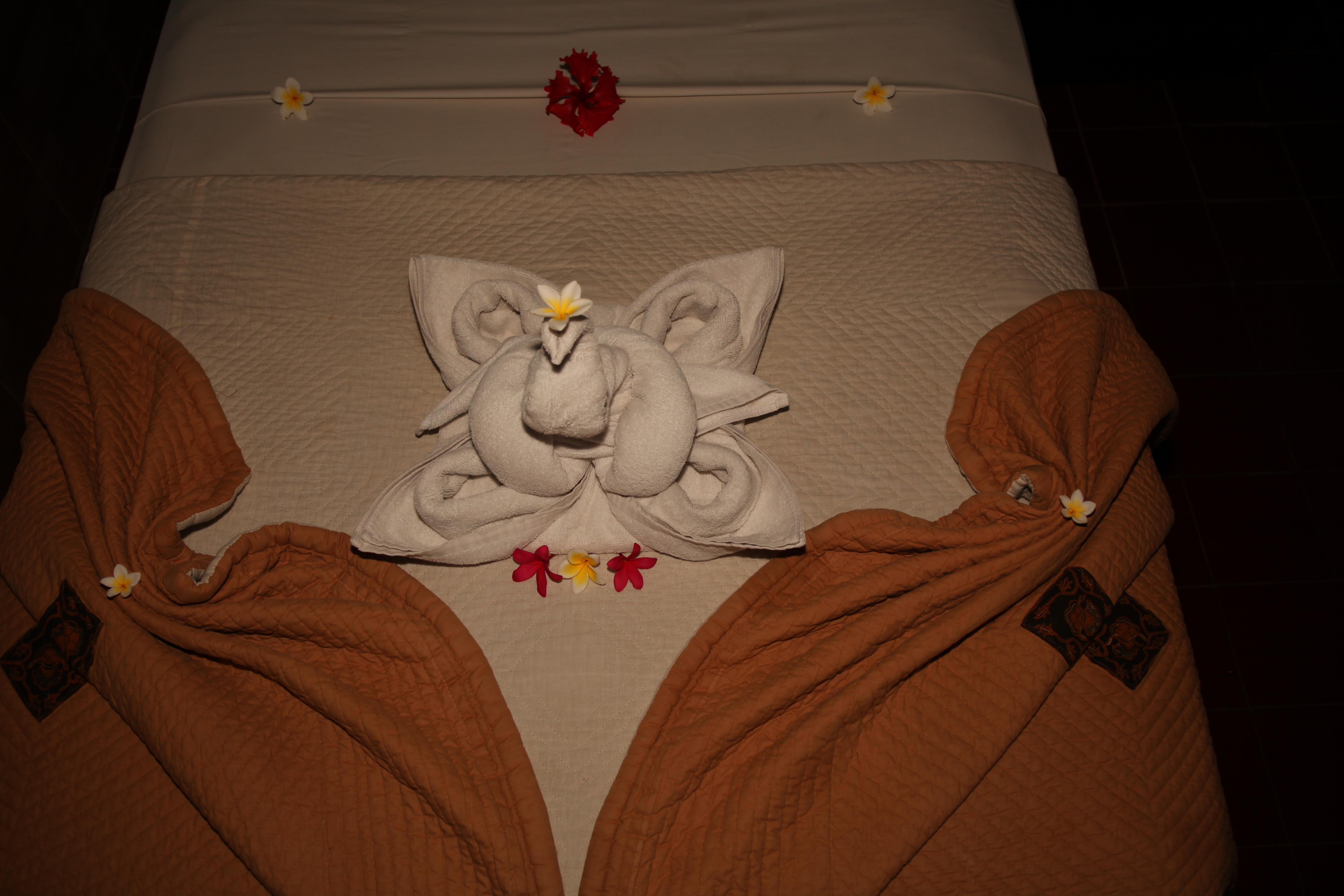
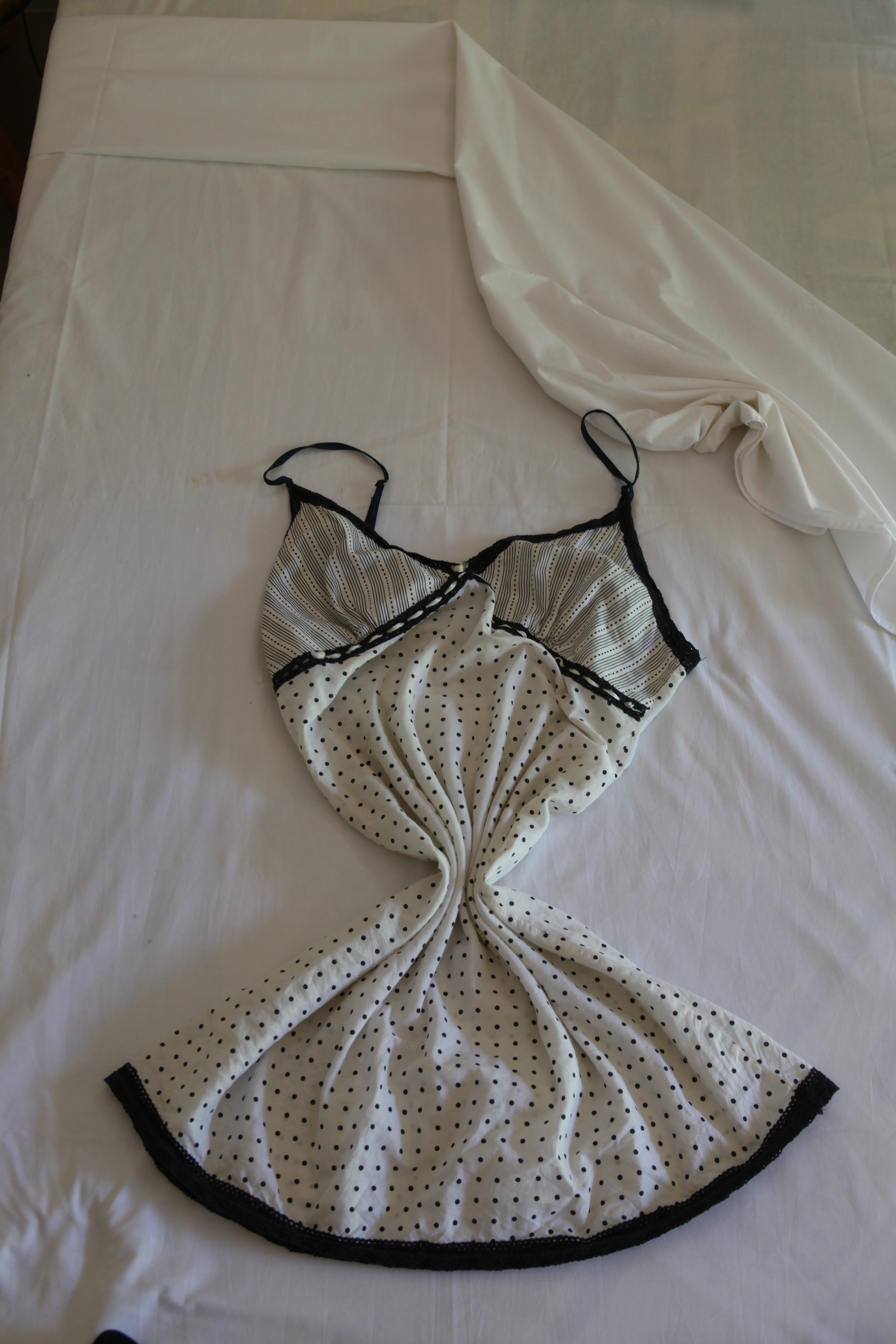
One begins with the “look” of the bed.  Some cultures take great pride in creating clever animals out of your towels or elegant flowers out of your pajamas that you find on your bed when you return from a day of traveling.  Beds can look comfortable and lovely. Looks can be deceiving.

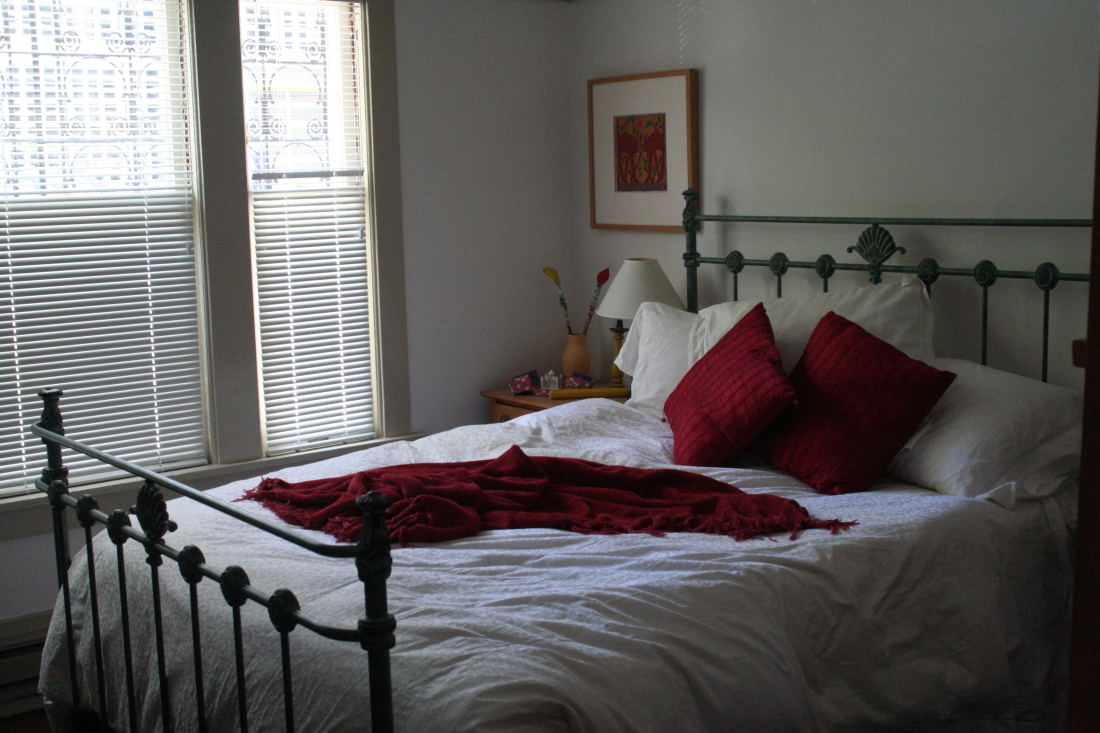
When traveling with a friend, we alternate in choosing the bed so no one gets preferential treatment. For instance, always by the window. It’s a fair process but doesn’t always end up equal. Or, perhaps it does. Two examples, one in Zanzibar the other in Havana.

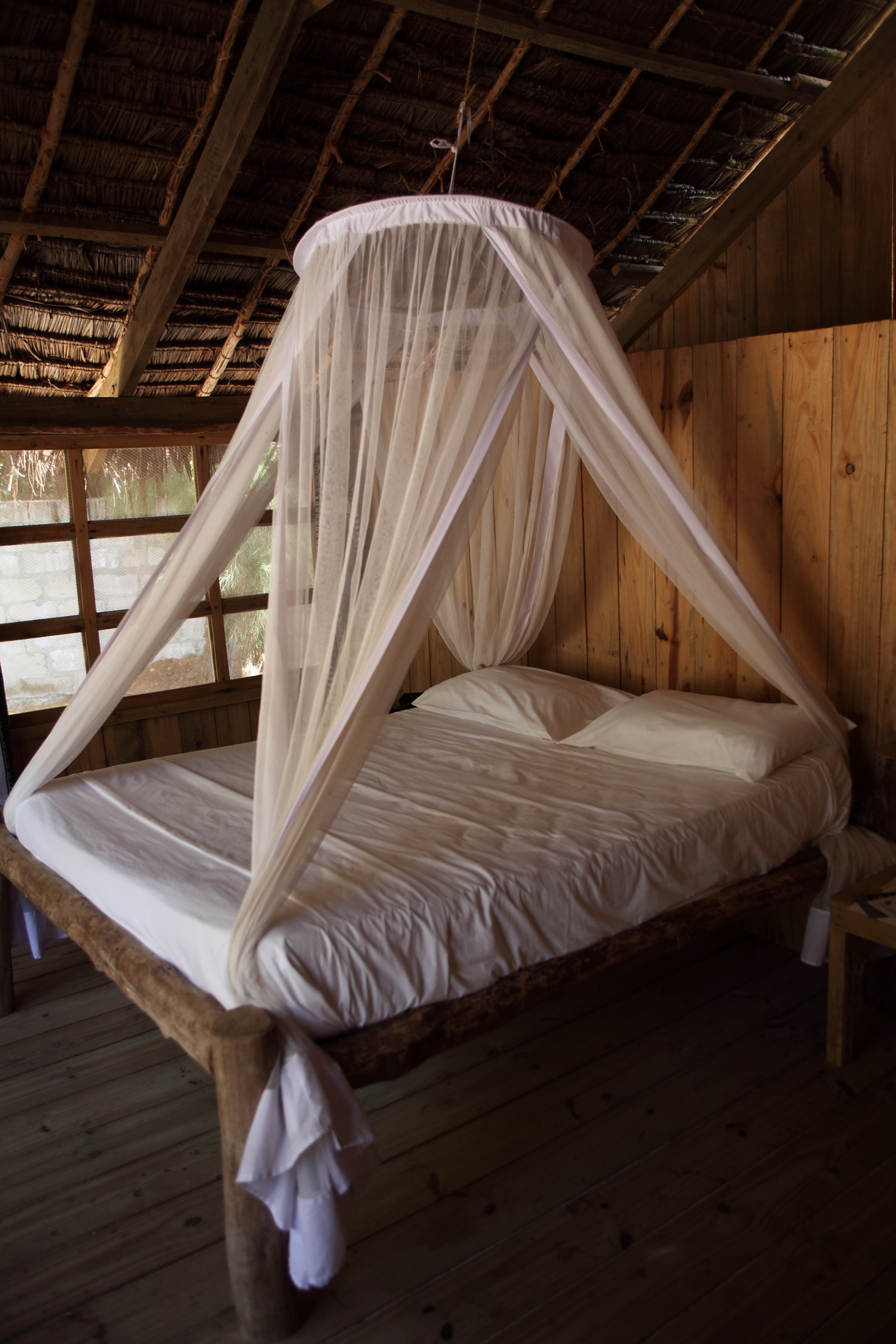
IMG_9729There are beautiful beaches on the north coast of Zanzibar with primitive huts right on the sand. We found a perfect one with a large window (inadequate screens, so big mosquito problems) looking out on the Indian Ocean. One large bed with beautifully draped requisite netting and one twin with sort of requisite netting. Luck was mine, it was my choice time, so, quite understandably, chose the large bed. These were inelegant beds. Rustic is a kind word. My friend decided to move her bed to a more desirable part of the room with more air. It was quite heavy and help was required but she was satisfied after the move. Perfect. Until she rolled over in the middle of the night and the bed collapsed leaving her on the floor. I owed her one.

It wasn’t until a second trip that I was able to repay. In Cuba, we were fairly even. One would have a thin, hard bed, the other a lumpy one requiring a nestle down into an un-lumpy crevice. I may have been a bit ahead on the luck side with the front room with balcony, two double beds to her twin beds but none of them fell apart.  Payment was due. Then came Havana and the bait and switch apartment, (another story all together) and her turn. A double and a single.  Both nicely made up, but obvious choice.  Left with the single, it didn’t look so bad. Dinner out. Collapse onto the bed. It’s a blow-up bed and too short by several inches. This is not one of the newer, smoother inflatables. This is the one with grids and ridges. It squeaks every time I move.  I move a lot as I roll from ridge to ridge.  Two nights. One cannot drink enough mojitos to become numb to the discomfort. The ultra-short living room sofa is luxury by comparison so that’s where I land. Payment in full and home to the bed I really know.

IMG_1411-1

Imagine

Tags

, ,

IMG_1235Casa Particulares

IMG_1599

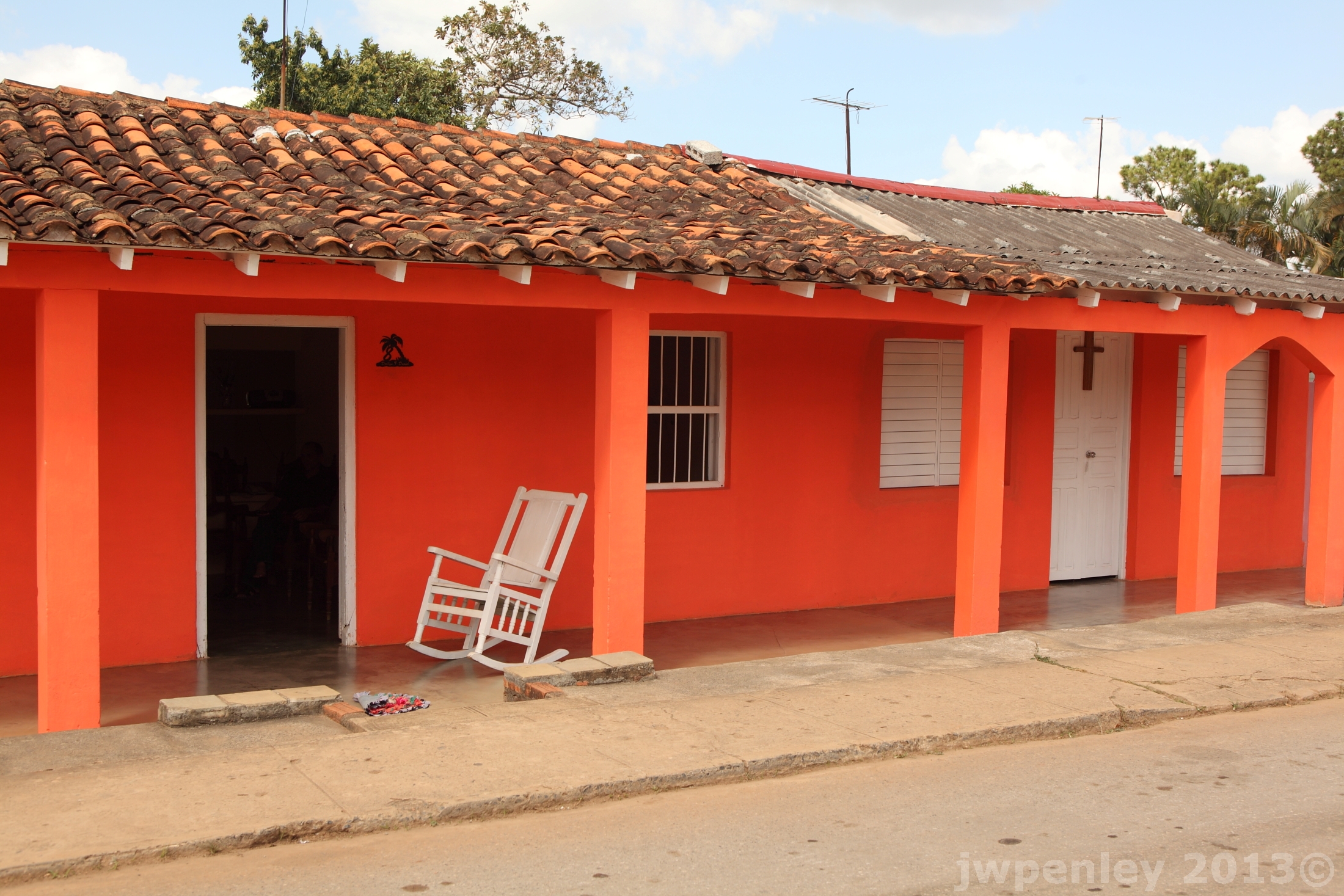
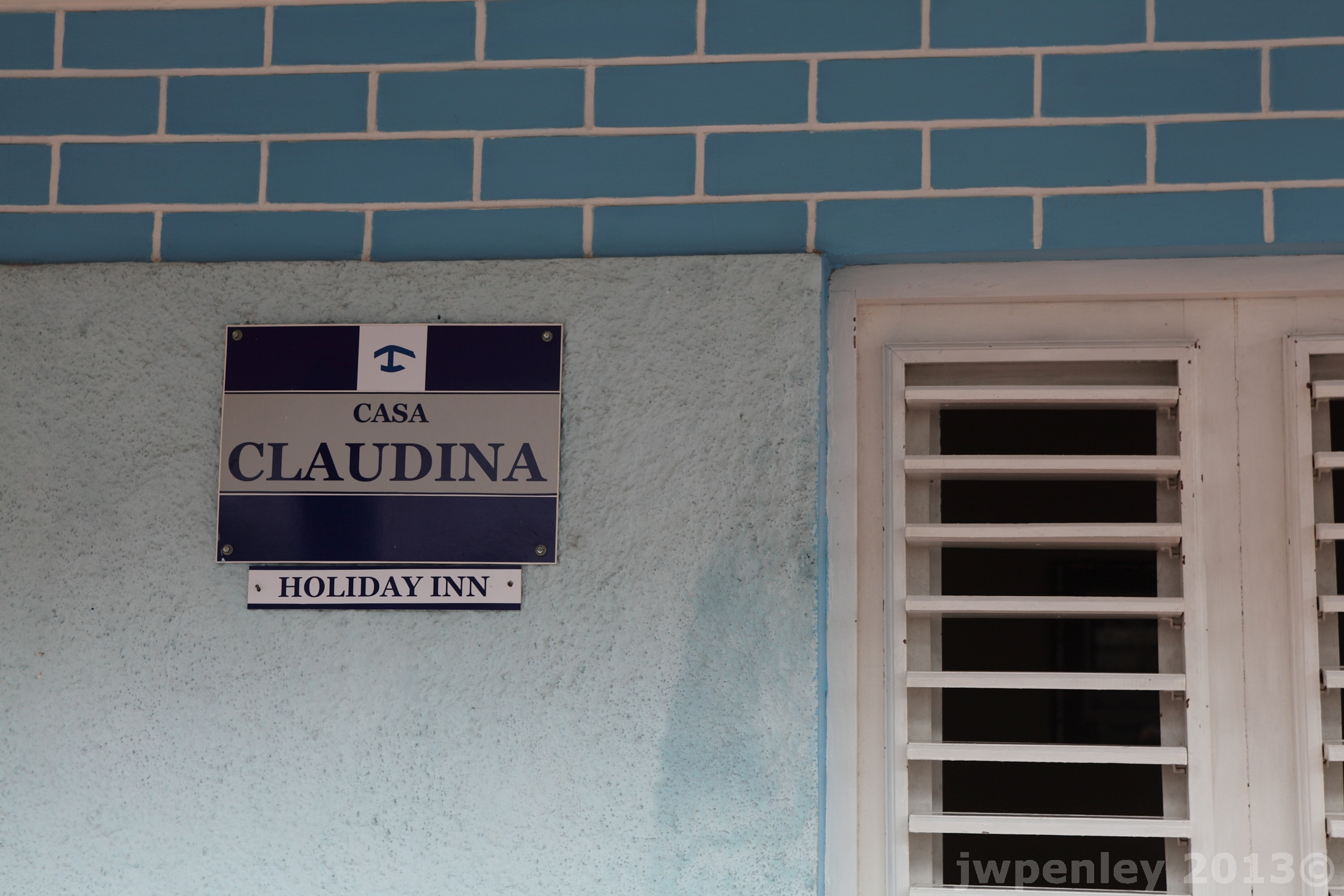
Imagine that you are visiting a country for the first time, that there is a way of doing it that allows you into the homes of the locals and that you can do this in large cities and small villages. If you can, then you can imagine the “casa particulares” of Cuba.  Since 1997, these accommodations have been approved by the Cuban government. Not without restrictions and detailed record-keeping, but approved. It has been a life altering program for those who qualify and a delightful treat for the traveler.

IMG_0274Most offer an abundant breakfast for a fee and many will do the same for dinner. This is very useful in the smaller towns as eating establishments can be spotty or non-existent. Food tends toward the unspectacular but you can count on plenty of it.  Fruits are the exception–plentiful but also spectacular.

A different experience is guaranteed when not staying in hotels. The delightful little girl in Trinidad who invited me to join her in watching Tom and Jerry cartoons. Laughter needs no translator. Lovely Rosie in Vinales. When presented with a large ball of dark, unsweetened chocolate from Baracoa, she didn’t know what it was nor what to do with it. Baracoa and its chocolate could have been from Mars. Hot chocolate. Grated on a chicken dish. Shaved on ice cream. Now, Rosie knows. I hope she is enjoying it.

IMG_0543And the amazing lavender room! This in a very recently renovated casa presided over by the hostess extraordinaire, Jackie, who kept apologizing for not speaking English. To us, who spoke little Spanish! In her country! But Baracoa offered more than lavender rooms. There was fantastic coconut sauce for main courses and, of course, the chocolate. Both are local specialties and both deserve praise. The people also deserve praise. I believe they were the very friendliest and most eager to help. This may be a result of isolation as this area has only recently been served by passable roads and few tourists make it this far. Odd since the local legends all circle around Columbus having made his first landing in the “new world” there. No matter, it’s accessible now and worth the visit.

IMG_1541

Forget hotels. Go for a more interesting experience and head for the casas. You may even find yourself venturing on to a local bus. But that’s a different tale.

Speaking of cars

Tags

,

IMG_9978

IMG_9968

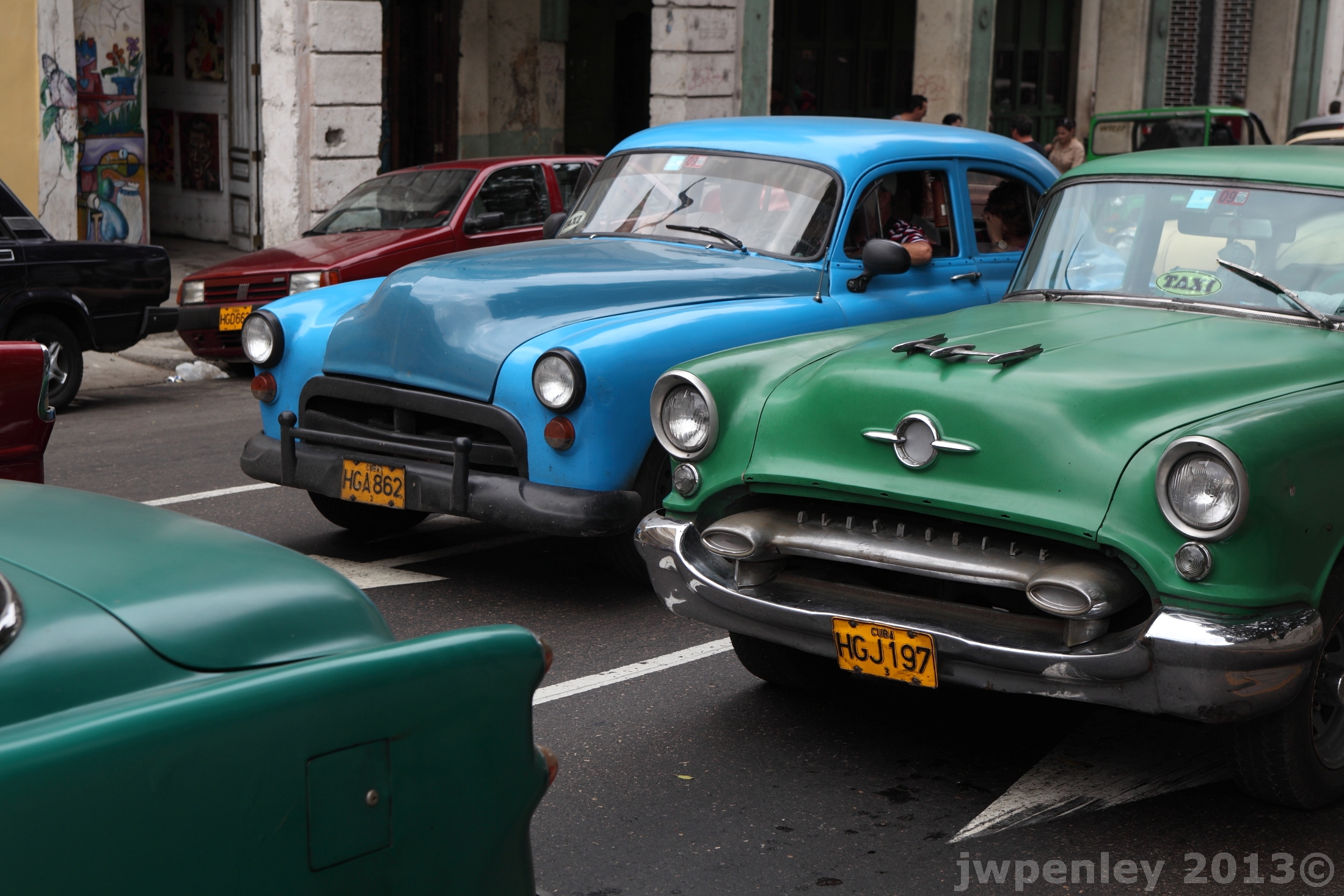
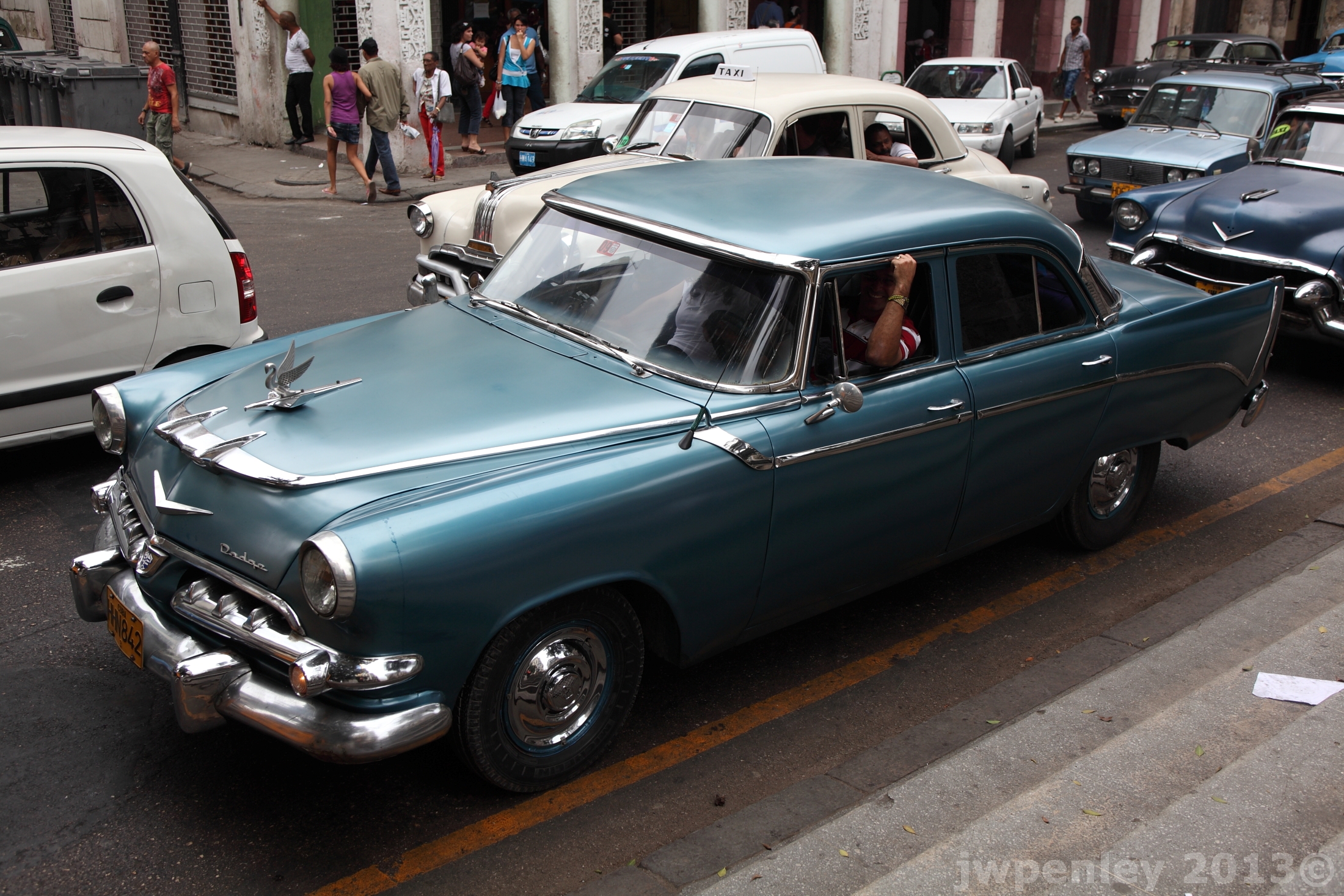
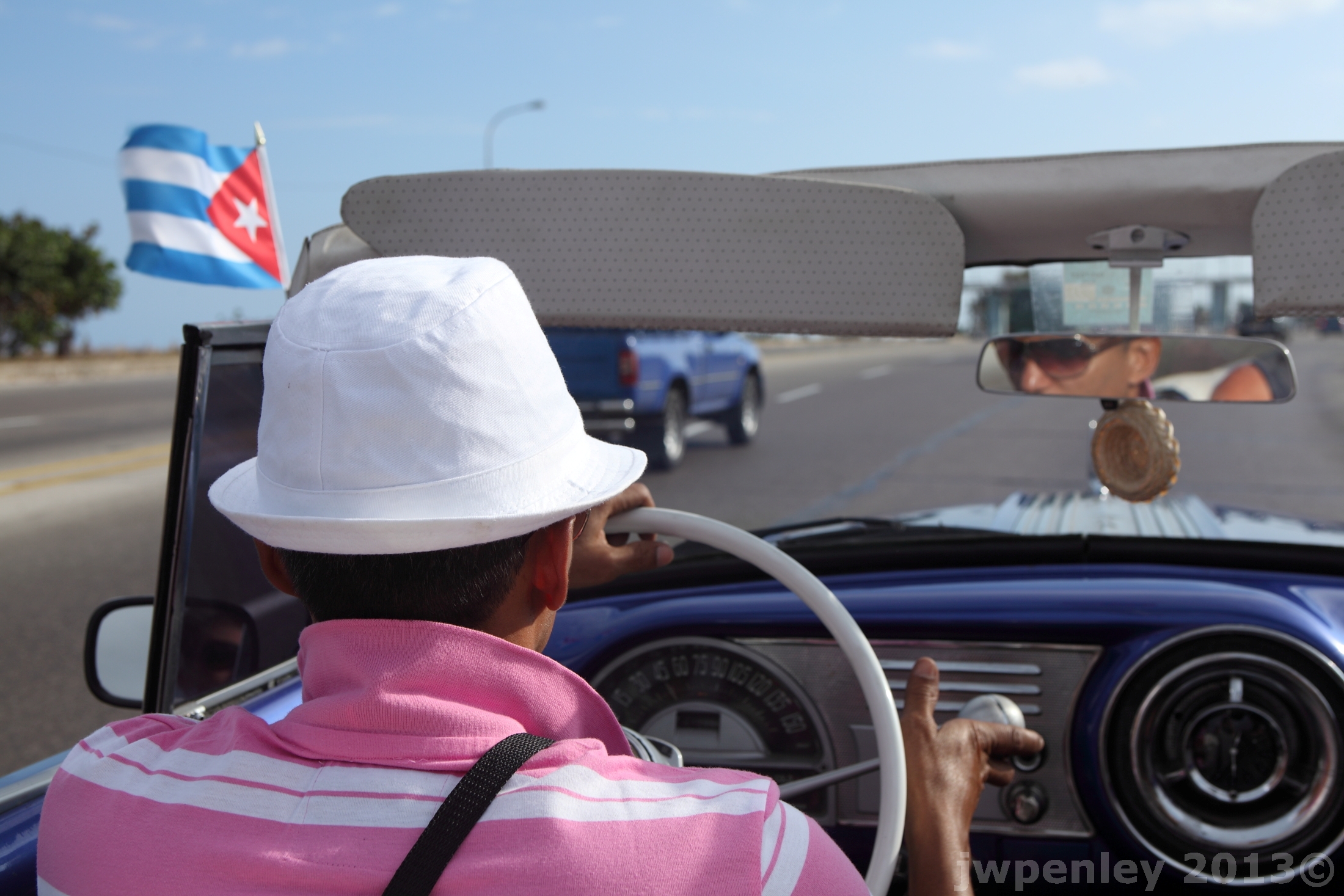
A trip to Cuba is definitely a trip to the ’50’s. It’s the land of an old car lover’s dream. An abundance of American cars such as the ones of my teenage years–Chevys, Fords, Cadillacs, Pontiacs–all the cars that Dad owned and then some. Many are in excellent condition, others smoking monsters. Some are called Chevys or Fords but have so many makeshift parts that they are hardly recognizable. Others are in pristine condition. Most are used as taxis so there are very few two-doors and they are usually convertibles. This is not to say that convertibles are bad. In fact, riding in the back seat is a special way to view Havana.

IMG_0891 IMG_0004

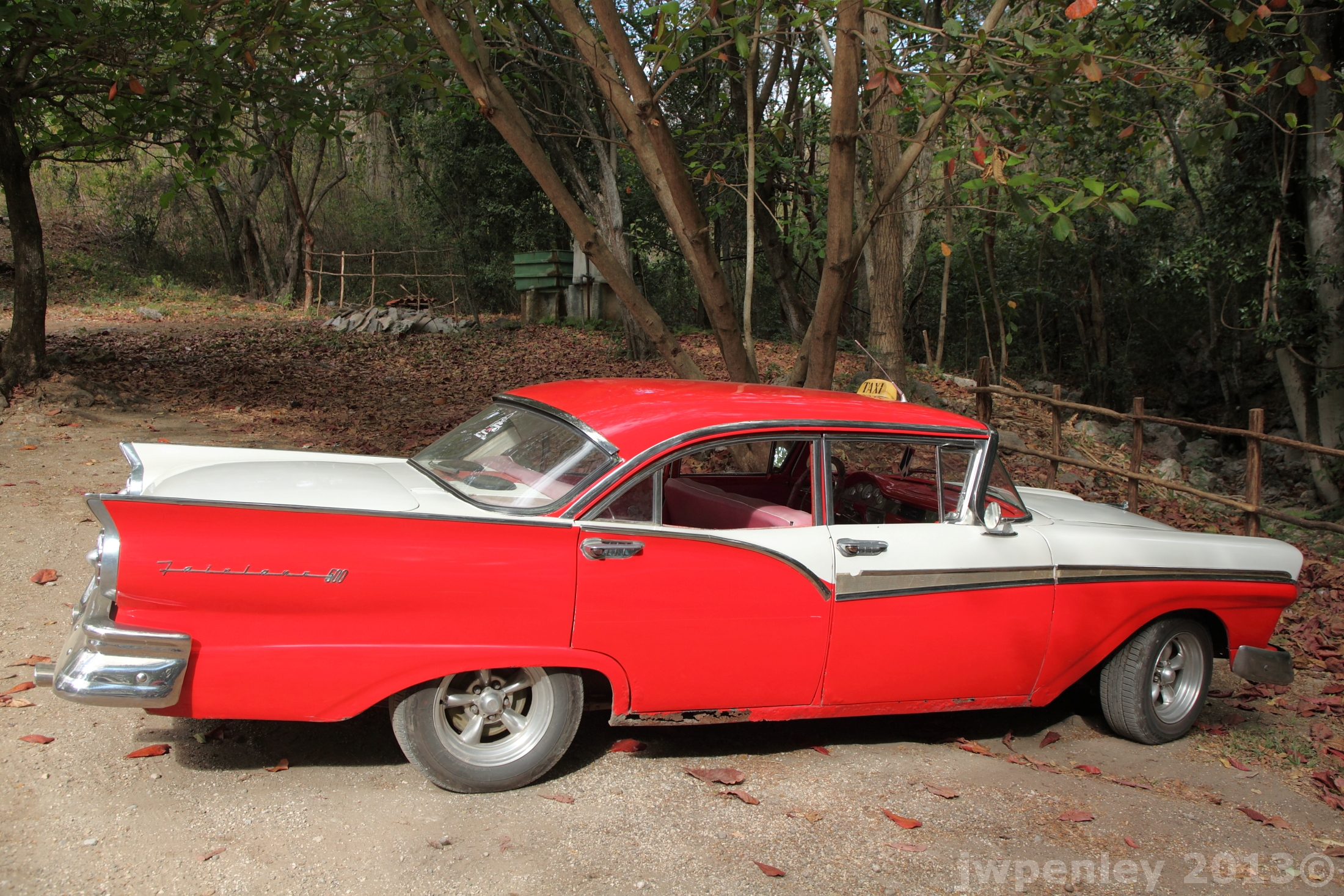
IMG_0183This ’57-’58 (I’m taking liberties here) Ford Fairlane was the vehicle of choice to take five people to the Parque Nacional Topes de Collantes for a hike to a stunning waterfall and pool for diving and swimming. Pride of ownership was very much in evidence when we all piled in and asked questions of the driver/owner. He did not shy away from answering the questions nor from asking his own. Being the “senior” member of the group, I got them–“Are you older than this car?” What? As though that was not personal enough–“Do you remember when this car came out?” He received lots of tsk, tsks from the other driver but I gave him his answer. I did refrain from divulging the year of the model of my first car memory. Some secrets should never be told.

IMG_0207

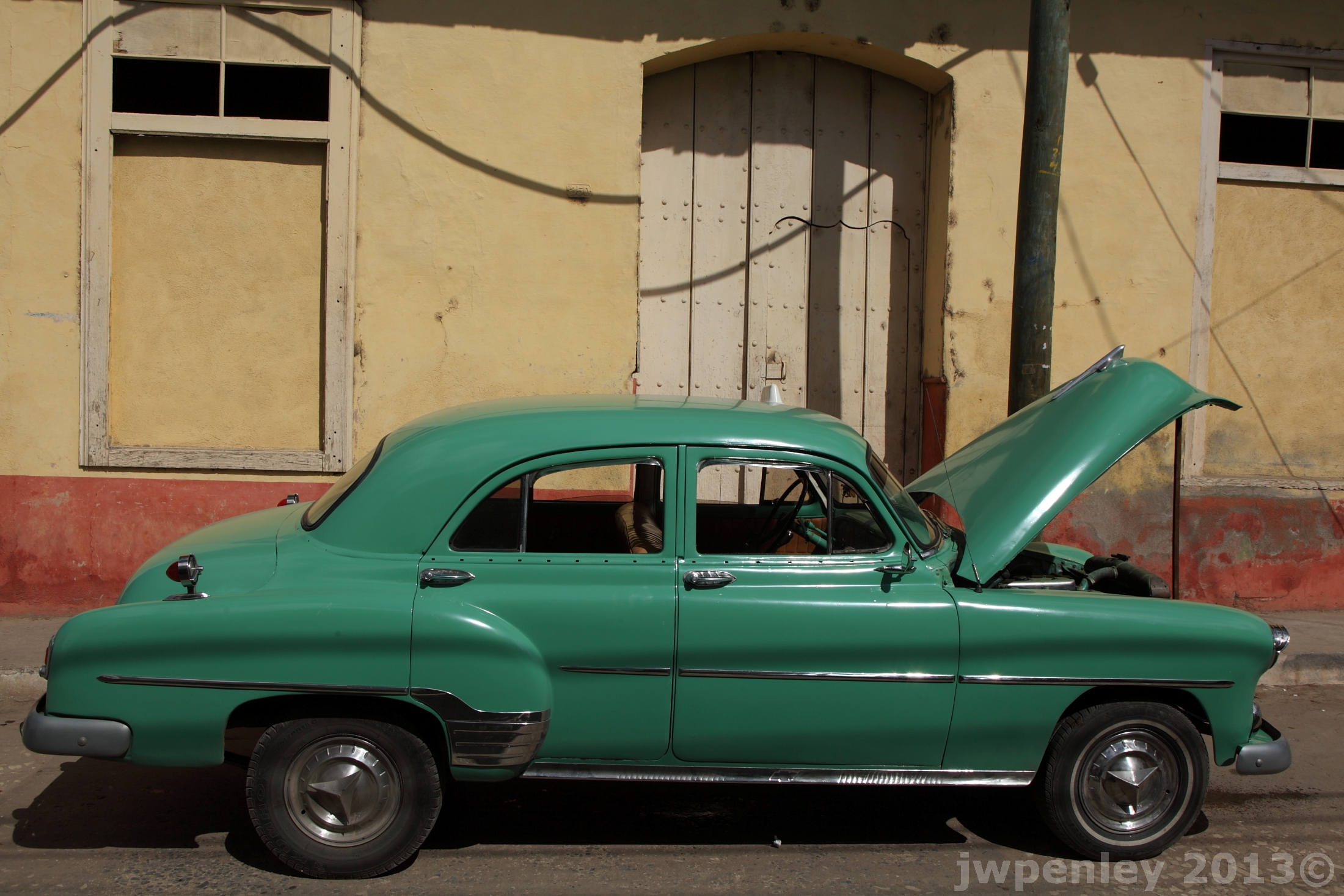
As the Ford was the clear favorite, an exchange of riders was arranged. Off went the Ford.  Not so the remaining what I believe to be a ’40’s Chevy or its assembled parts.  First gear refused to cooperate. Many ground gears and false starts later, the car managed to lurch along the dirt road. Two more episodes of ramming the gear into place got us into Trinidad within walking distance of our casa particulares then the car would go no more. A valiant effort. It was still on the road the following morning.  If you are traveling to Cuba, bring spare parts.

Click click–click click click

Tags

, ,

IMG_0105-3

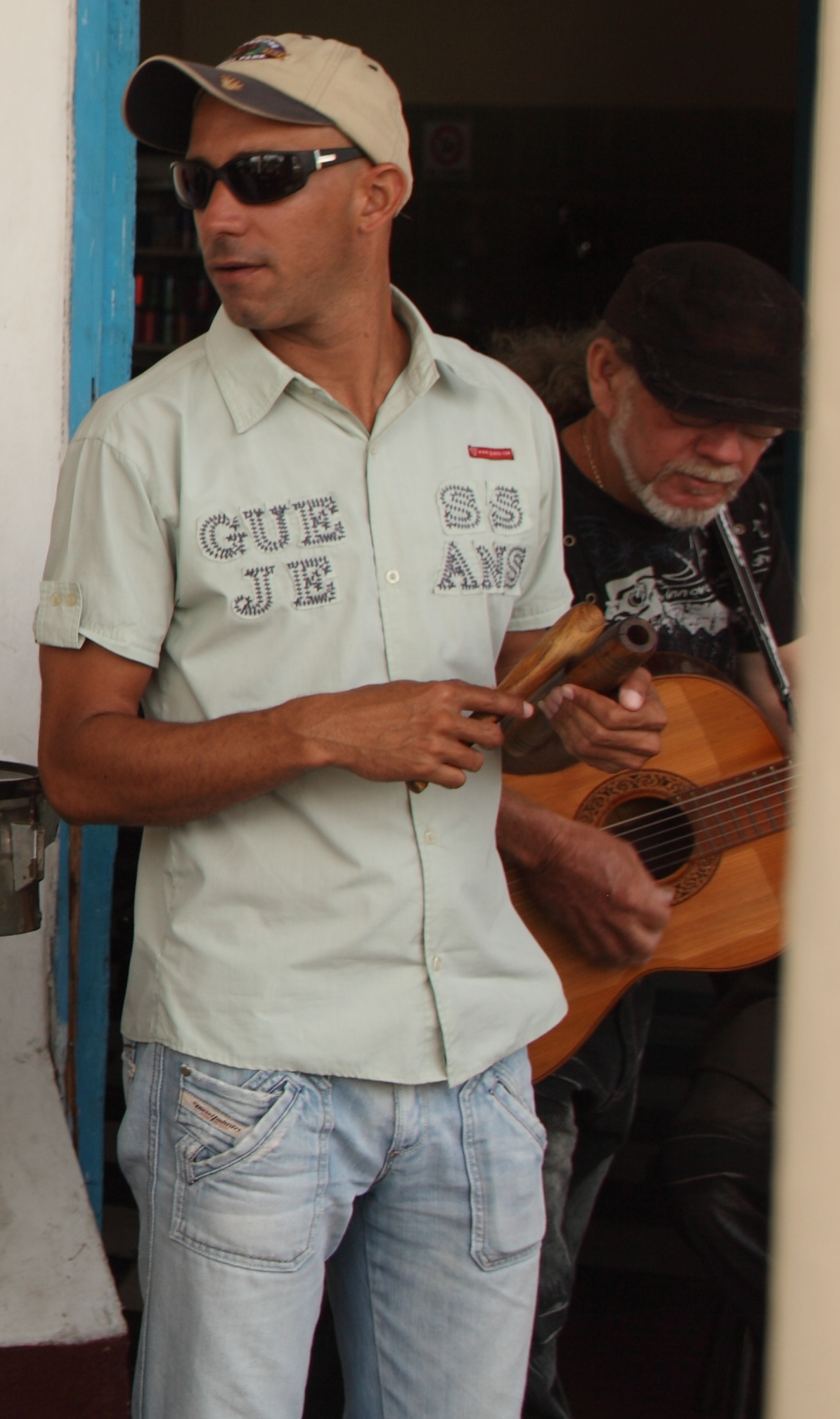
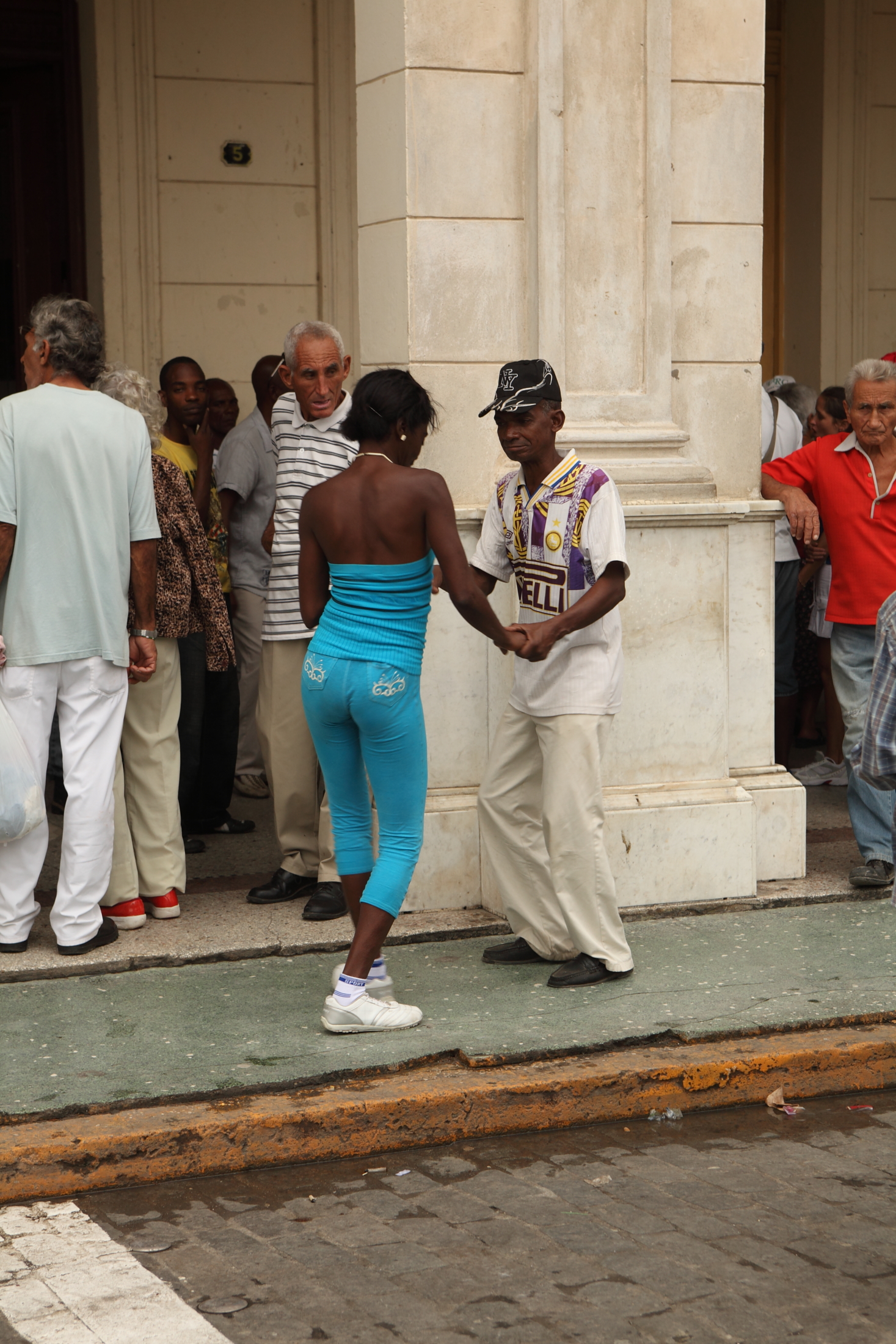
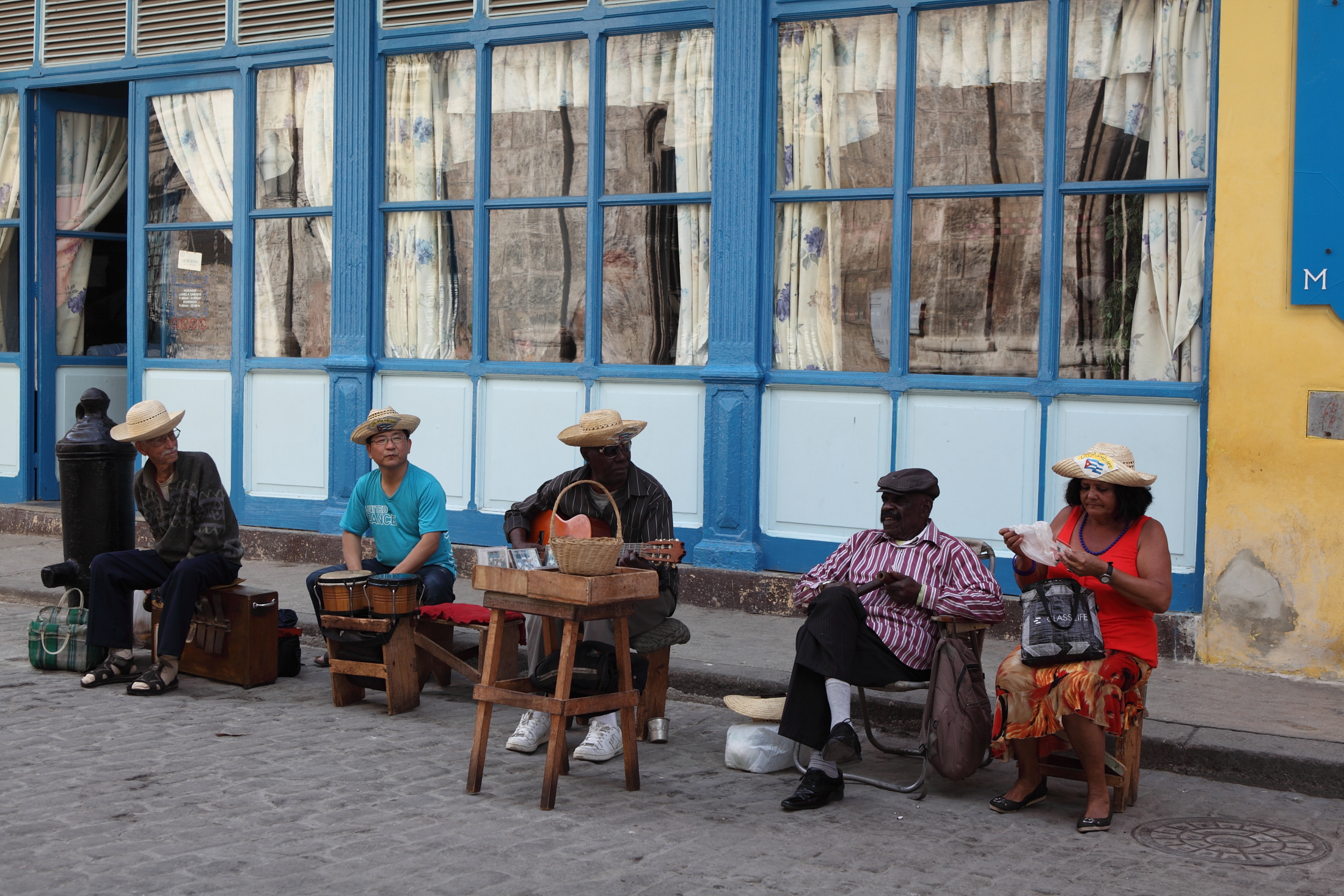
The sound heard all over Cuba. It sounds easy. In fact, not at all. Two sticks, one in each hand and held just so. All you have to do is hit one with the other—in rhythm—and therein lies the problem. What a rhythm! The books tell you it’s a straight, 1,2,3,4,5,6,7,8 but it’s really what’s in-between that 1 and 8 that throws the non-Cuban. The only answer is to forget the counting and just FEEL. Sit in a bar with a Cuban and watch the shoulders, they never stop moving while the music plays. This is not toe-tapping music, this is move-your-body music. It’s everywhere and, if you let go, you won’t be able to stand still.

IMG_0045

IMG_0044-1

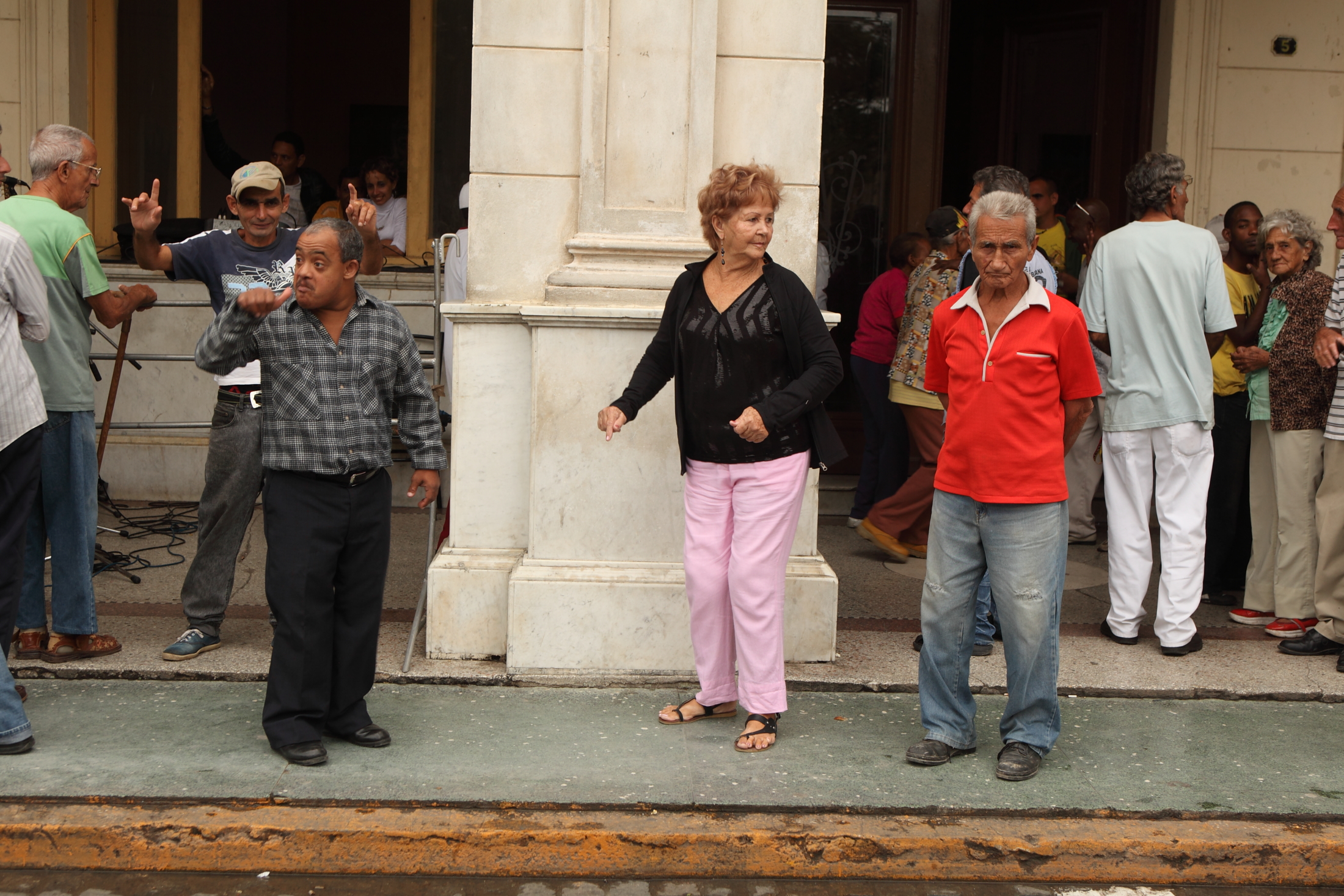
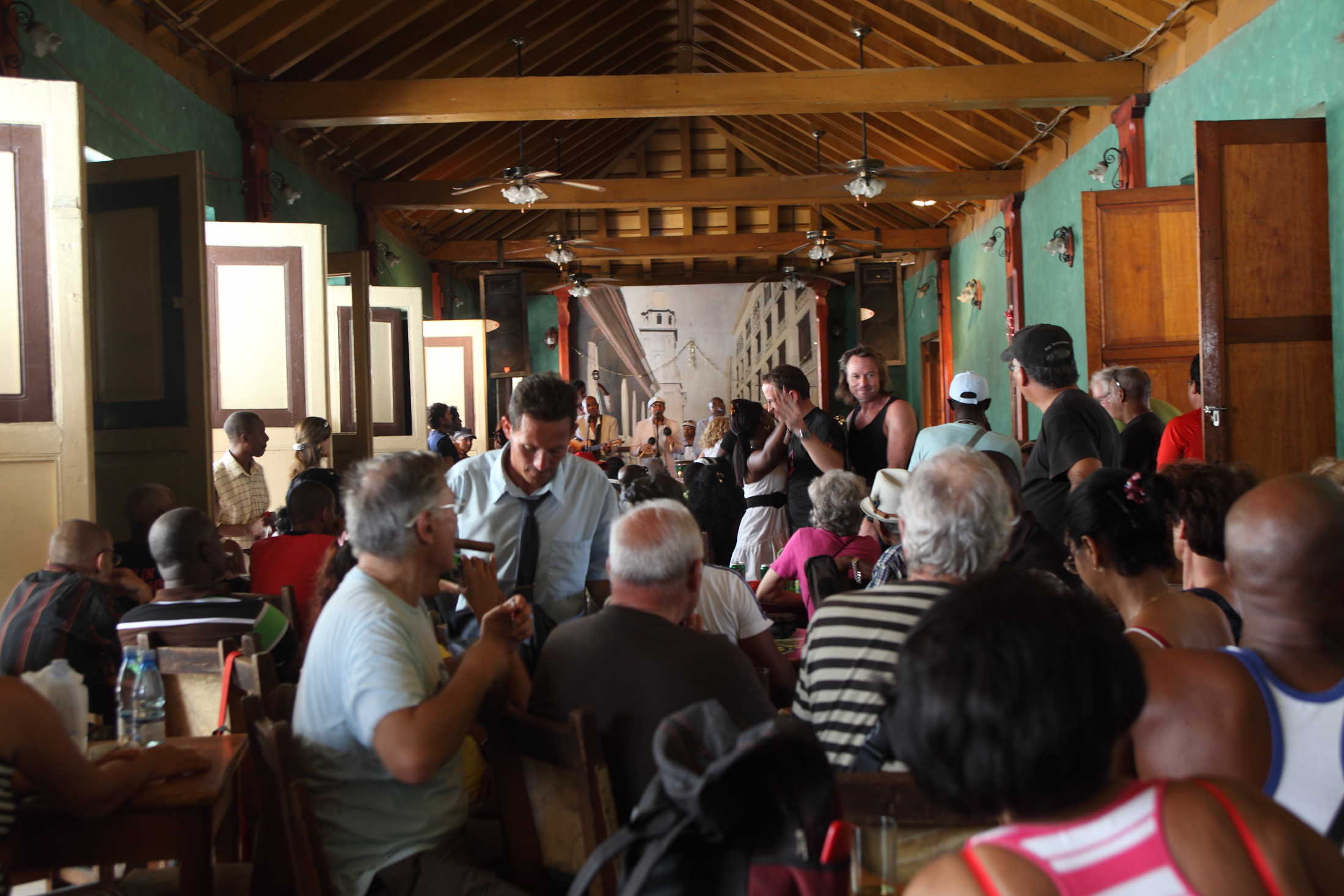
I don’t know if it is true of every town in Cuba, but every town I visited from Viñales to Baracoa had a cultural center, the heartbeat of every community.

IMG_0429 Usually open all day and late into the evening, the afternoons are best. Evenings get turned over to tourists and the wee hours become discos for the young people. The days belong to the locals and the centers are packed. Rum, cigars and salsa and, before long, you begin to feel!

IMG_1821

Music and dance aren’t all about salsa. There is plenty to satisfy the jazz aficionado, the new fusion sound fan, classical ballet lover. But it’s salsa that spills over into the streets, the town squares, the car radios. It’s salsa that makes you realize you are in Cuba.

IMG_9921

More Steps

Tags

, ,

zgreatwall17

I have had an issue with steps for a long time. I suspect it began with a climb up the Washington Monument with my brother when one could still climb up the Washington Monument. Half way up, the steps were swimming and I thought that I wouldn’t make it, it was that difficult. Inside the monument there are few windows, the steps just keep going and one begins to wonder if it will ever end. It’s an amazing view at the top but it comes at a cost to those who make the climb. There is a reason it is no longer allowed.

The first time I noticed a real issue was shortly after the monument when I was standing at the top of the stairs to the State Capitol Building in Topeka, Kansas. I looked down and that was it. Fear hit my knees like a knife and I couldn’t move. I had to edge my way over to the handrail and inch down the steps sideways. Silly, I know, but irrational fears usually are. Since that time I have not met a step that didn’t make me pause. It goes with heights, as well, but steps compound.

This step thing becomes a problem when traveling, especially in countries with ancient monuments and non-existent handrails. Going up is just as bad as coming down. I need a handrail, a helping hand, a wall or the ability to go up on all fours. Embarrassing? Absolutely.

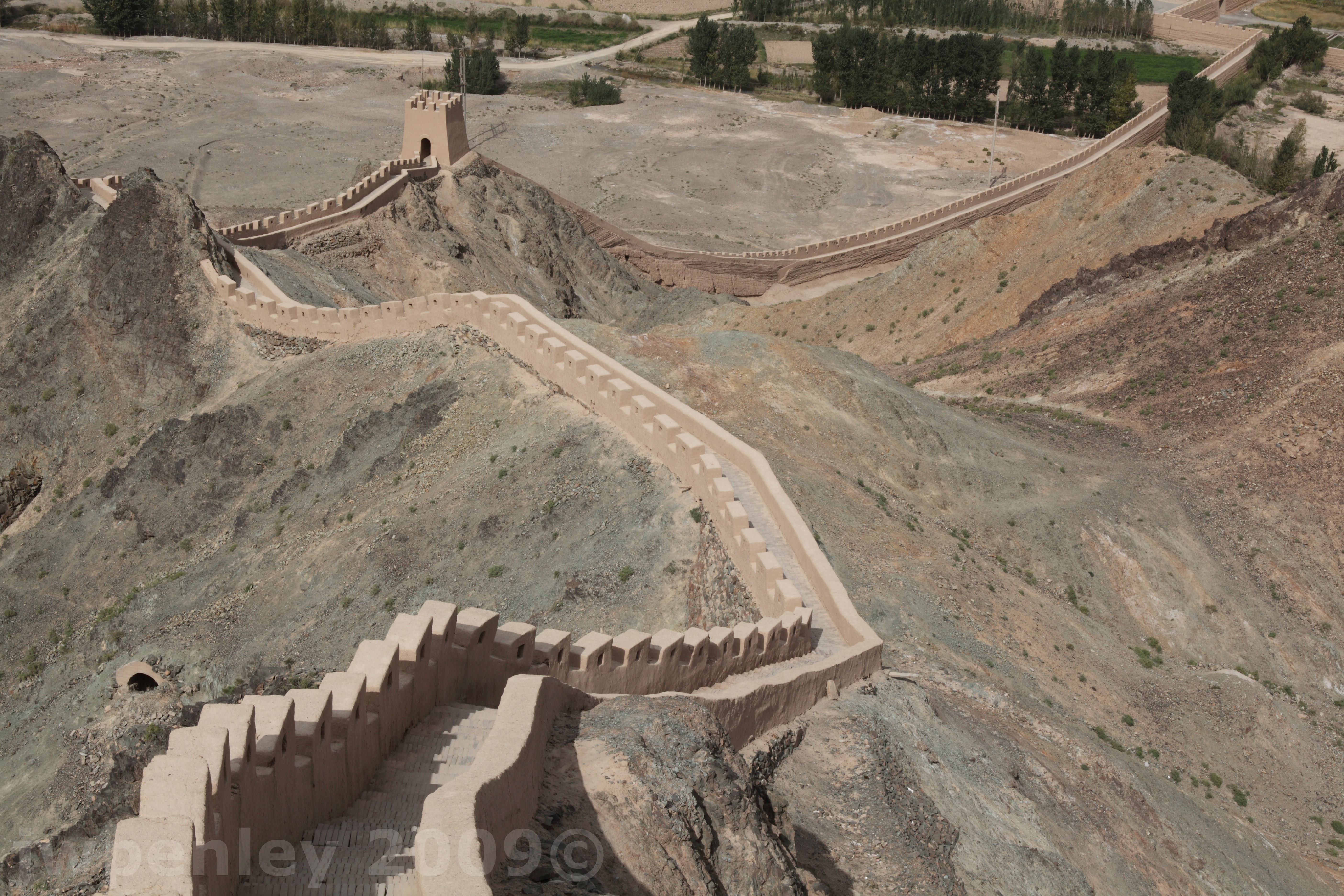
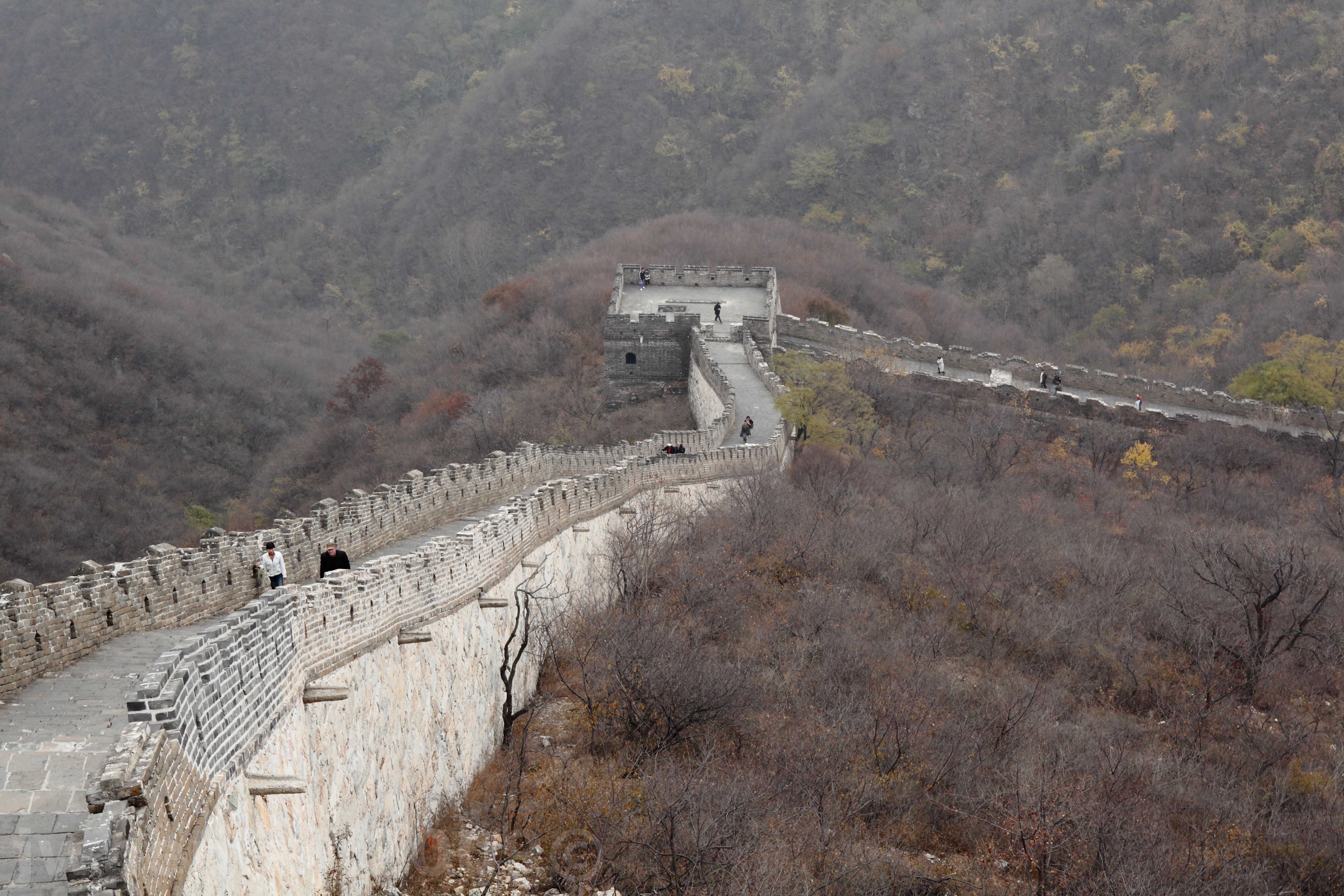
My first visit to the Great Wall, I passed on the “stairway to heaven” and just walked the wall. Gondola up, a walk through the woods with very wide, pastoral steps down. Piece of cake but I did miss that not-to-be-missed climb. The next opportunity came again in China at the “hanging wall” in Jiayuguan. A long wall with many steps in the middle of nowhere on a clear and sunny day. What made this wall different was that it had low sides, a veritable hand rail. I could do that! What I didn’t know was that the walls got higher and more precarious as one neared the top. Of course, you can’t know this until you are committed so the choice is to continue or turn around and go down. Terrible options but I chose up. Not for a moment have I regretted that decision. The view was amazing, the wall incredible and my sense of accomplishment a “ta da” moment. After that, what steps could not be conquered?

Back to that Great Wall and that “stairway to heaven” with its 500-700 stairs straight up. This time I was determined, even eager, to make the climb. This is not to say that I did not have moments of “what are you thinking,” but climb it I did, all the way to the top in spite of crumbling walls, missing steps and a wall that got shorter as I neared the top so a little stooping was in order. Never quite on all fours but very close. The ultimate in “ta da.” An unforgettable climb. Once at the top I realized that going down is easy if someone goes down ahead of me. Why did it take me so long? All I need in the future is a willing volunteer. As everyone eventually has to go down, problem solved.

As for the rest of the way down from the Great Wall, this time I took the toboggan. Throwing caution to the proverbial wind, I sailed to the bottom at such speed that the Chinese guides at the sharp corners were yelling at me to slow down. It was a glorious ride and a glorious day.

IMG_3736

3,750 Steps

Tags

,

IMG_8387

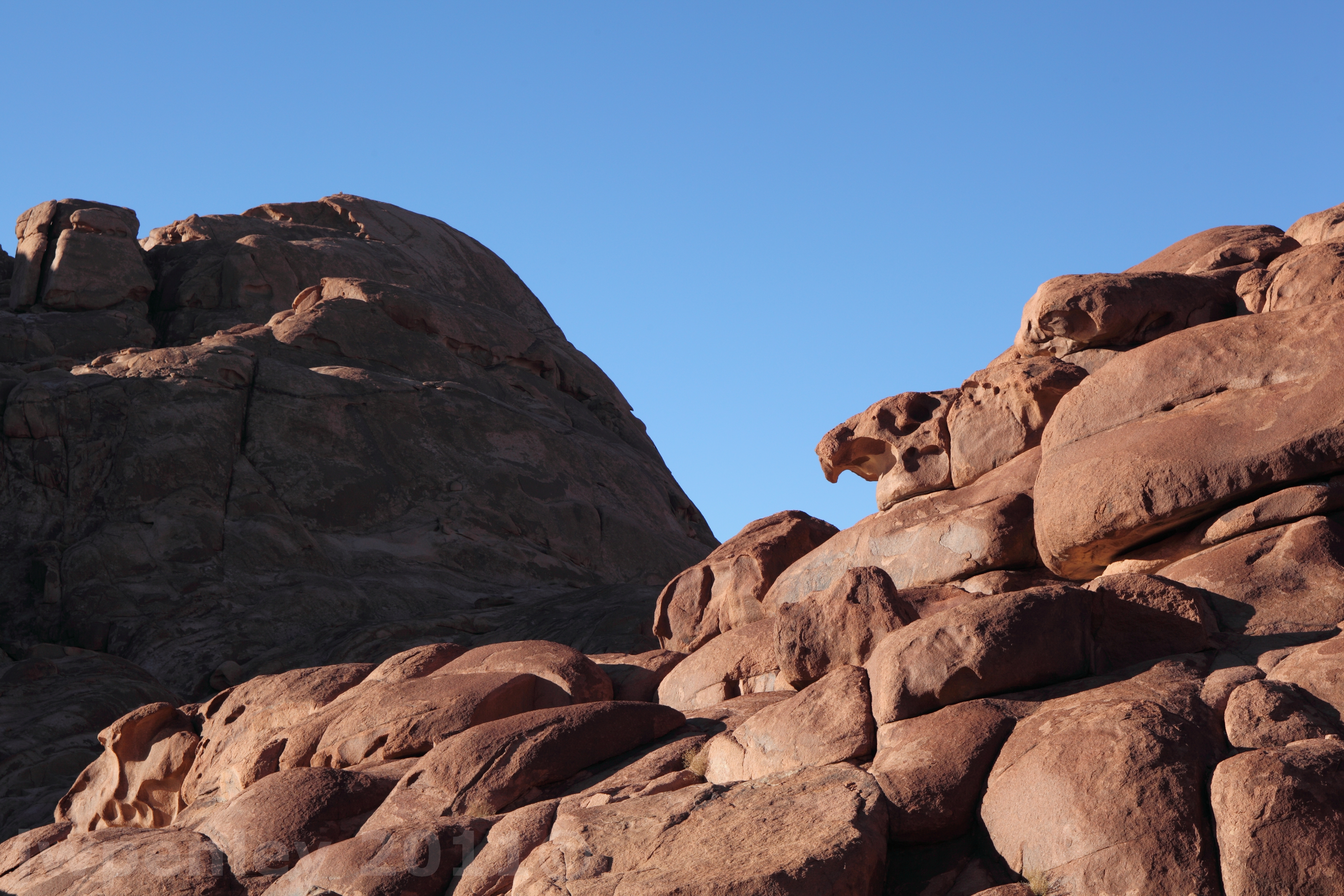
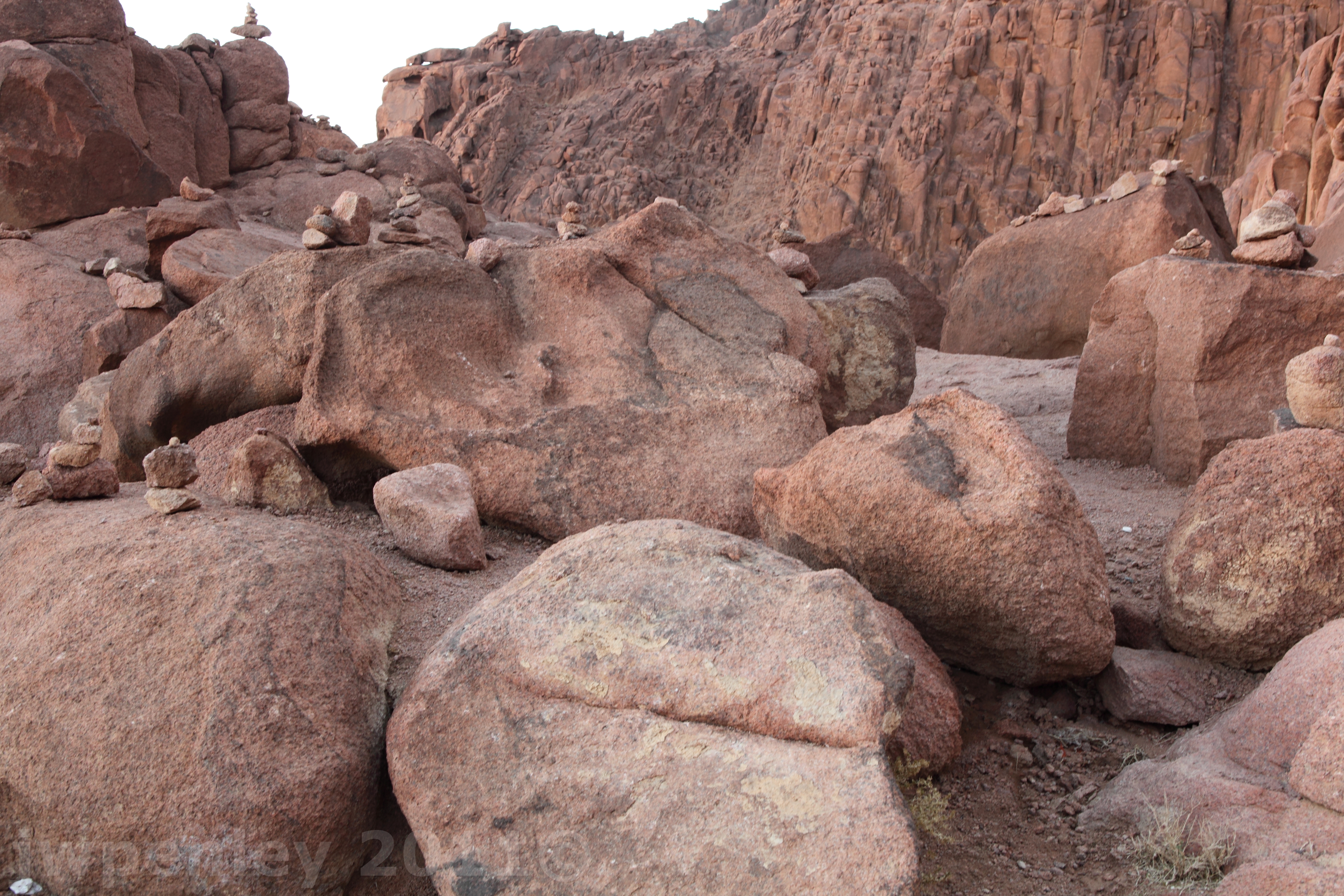
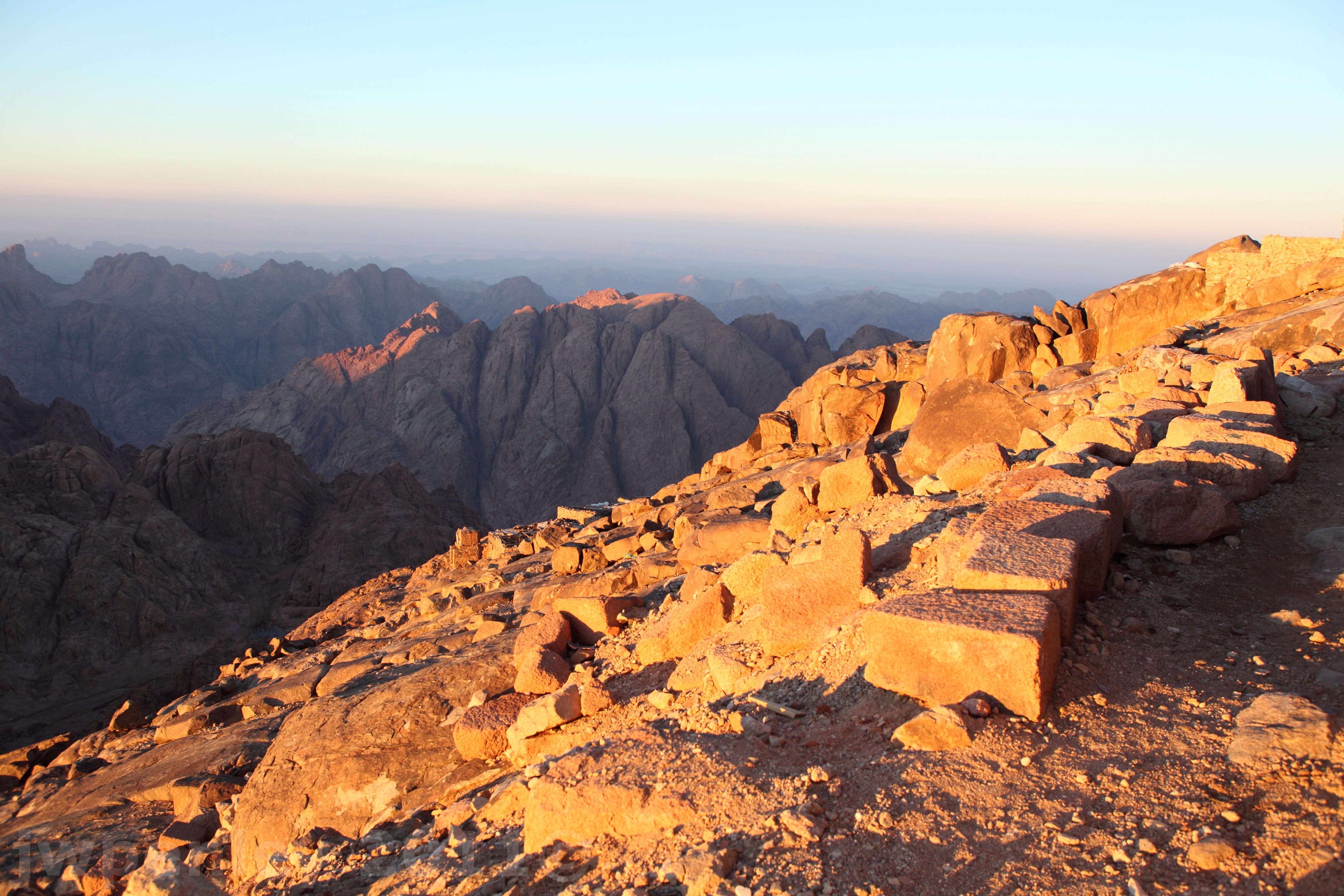
Mount Sinai is a mystical place. The debate continues on whether or not the mountain designated as such is the real Mount Sinai or just a spot in the general vicinity. Who can really pinpoint the general vicinity of such an ancient text. Still, believers and non-believers alike trek up the mountain seeking the place where Moses received those Ten Commandments. There are two known truths about the place. It’s a long way to the top and most visitors want to see it either at sunrise or sunset. Half the climb will be in the dark whichever you choose so bring a good flashlight.

The next choice to be made is how to make the climb. The easy way, unless the creatures terrify you, is to take a camel. The trail winds up the side of the mountain and the views can be spectacular but frightening. One can also walk up the camel trail which has its own set of problems as many camels make that trek every day leaving the trail one long camel toilet. The third way is to take the steps up the center of the mountain, a shorter but much more strenuous way.

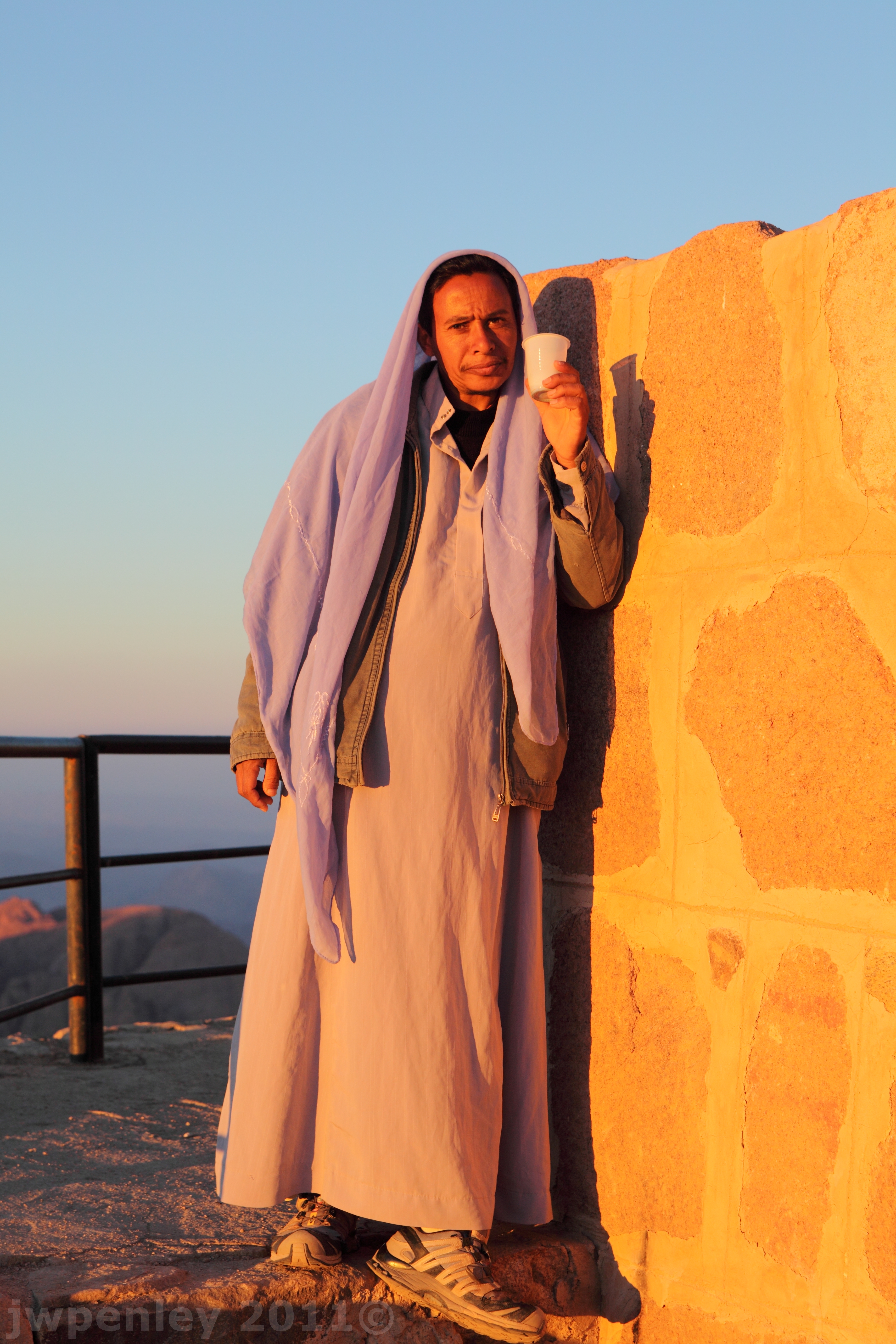
The ages of the group accompanying me on this journey ranged from 21 to, well, me. (That age to be revealed at the appropriate time.) Three of us decided to take the lazy way up leaving the younger crowd, with the exception of one phenomenal New Zealander, aged 55, who had more energy than two people half her age, to take the center route. Alas, this lazy way was not to be. The night before, our guide was quite ill with a cold. Full of sympathy, we agreed to let him stay behind and opted for door number three so there would be a need for only one guide. Plus, the third person was unable to make the climb due to illness so that left just two. We were promised that, while it was a strenuous climb, there were stairs all the way to the top. How bad could it be?

3750 Steps!

IMG_8384

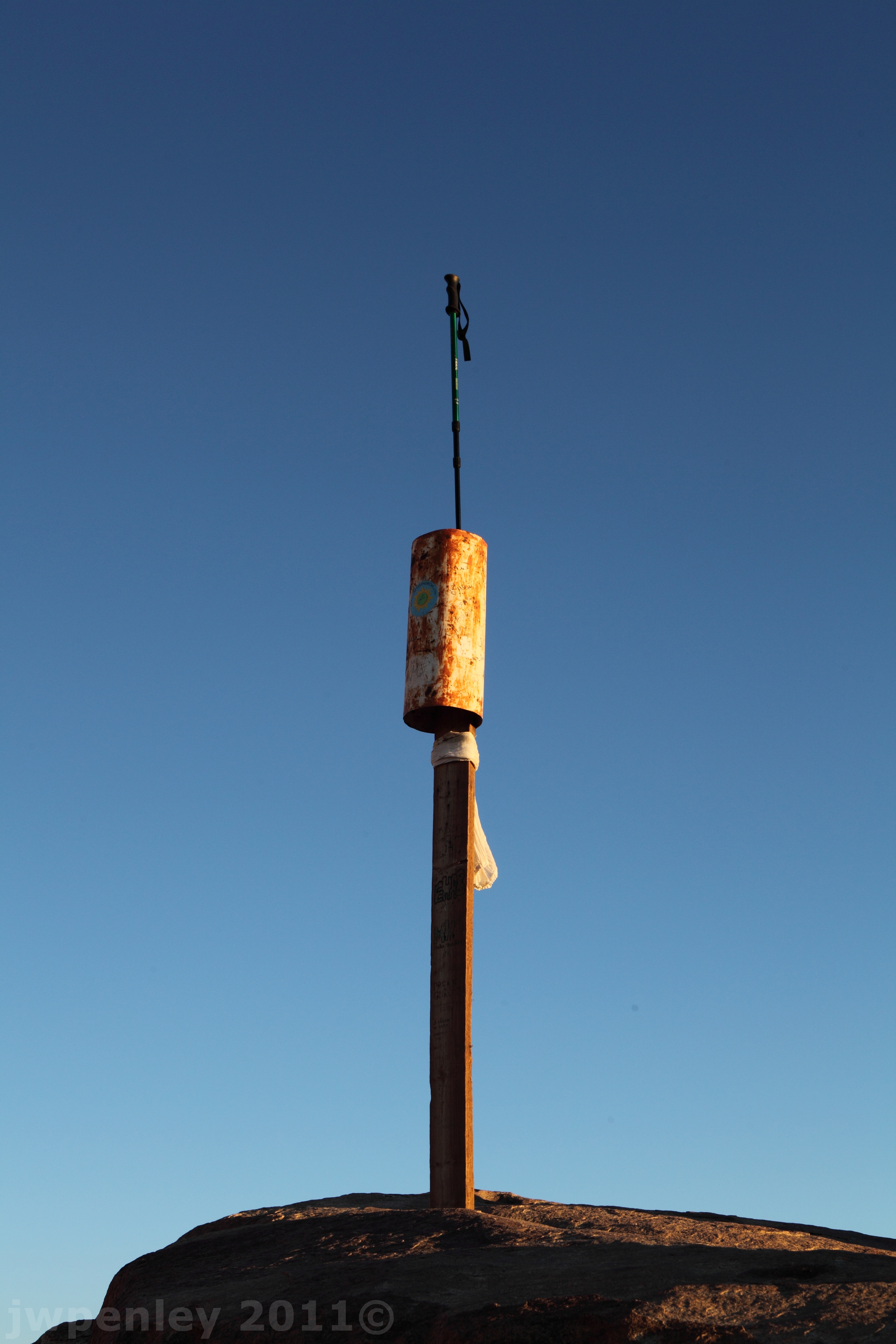
I was envisioning actual steps. The reality was quite different. There were 3750 boulders to climb. At times the trail was marked solely by small piles of rocks indicating a turn or a new direction. All straight up. No meadows to wander through. No trees to grab for support. Just rocks, lots of them. My camera, already heavy, was a millstone after a few hundred meters. The Bedouin guide graciously took over that load and two wonderfully kind gentlemen stayed with me and my companion to assist.  I did have a “third leg” provided by the ill traveler, her walking stick, for which I shall be eternally grateful.IMG_8405

Approximately 3,000 steps later we arrived at the beginning of the end. The first flat place and the termination of the camel transport. Not the top. 750 more “steps.” Straight up. My companion was in pain and could go no further. I have a stubborn nature and was not stopping here. It did not get easier and I was the very last to reach the top, but reach it I did! Just as the sun was at its best light and only for a few minutes, but I was there.

IMG_8407

A few photos, a quick turnaround, a search for the flashlight and down we went. One returns by the camel trail as the boulder way is too treacherous for night hiking. The dark made the vistas unseeable but that is probably best as the trail follows much too close to the edge for my taste. Of course, my flashlight died and the Bedouin guide, again, came to my rescue. Two different gentlemen, equally gracious, stayed with me for the descent and the guide plied between us and the rest of the group who, I suspect, ran down the slope. When we finally reached the bottom and the van, everyone else was aboard. They applauded my accomplishment. I thanked all those who helped me, as I surely could not have done it alone. Then I challenged the group to return when they reach 70 and make the climb again. I hope they accept that challenge. As for me, there are and will be other steps.

IMG_8412 (2)

Ceppato

Tags

, , ,

IMG_0008

August in Italy is “sagra” time when the small towns celebrate with a feast of everything from potatoes to rabbits. Each community features its specialty dish. The format is the same in every town. Rows of tables are set up in the piazza, or along the road in the smallest communities. Families often reserve space at tables but there is always room for the adventuresome traveler and families from neighboring towns. It’s that idle period in farming, crops planted but not yet ready to reap, and everyone wants to party. Wine pours freely, the food is ample and the evening nearly always ends with dancing in the street.

Cepatto’s specialty is soup, their “sagra,” Zuppa sotto le Stelle, (translated, soup under the stars) and the big organizer is Loretta who has a rooster that crows her name–…orehhtaaaaa. The women and older children prepare most of the meal, some portions in their own kitchens, others a joint effort in the middle of the road. This is a family affair and everyone, from the elders to the children, has a part to play. The men’s role is to set up the tables, barbecue the meat, sample the wine and, occasionally, stir the soup.

IMG_0006

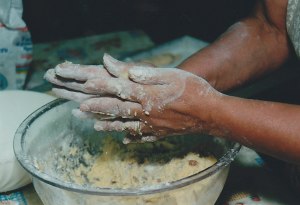
The day of the “sagra” began with five, flour-covered and laughing women in Elvira’s small kitchen making biscotti to be dipped in vin santo as the grand finale. While the biscotti baked in the large, outdoor brick oven, we joined the men and sampled the evening’s local wine, provided by Roberto, and gave it a thumbs up. The preparation party then moved up the hill and into the street.

IMG_0005IMG

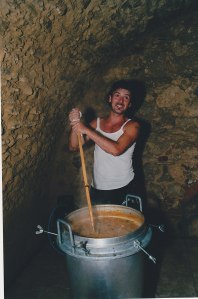
There is no piazza in Ceppato, there is only one main road with a few small roads leading off it on the downhill side. This is not a thoroughfare so closing it for the day doesn’t present traffic problems. Leaving it open is not an option as the road becomes the kitchen and the parking lot the dining hall. The chopping tables were out and the soup beans already cooking in a giant aluminum barrel-sized pot. There is a special room for this pot, a large, stone cellar two steps down from the street. On this day, someone was trying to fasten a curtain to the door to let in air and keep out bugs. There is no easy way to do this in a stone wall so the soup room remained open to air and bugs. All day, someone was in that room stirring the soup with a long, wooden stick.

IMG_0004

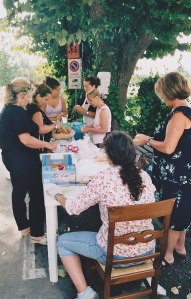
The chopping began. First came onions, potatoes and other vegetables to add to the soup. The real chopping fun came when it was time to make the giant fruit compote. Tubs full of fresh fruit were brought to the tables where the knives were flying and hands were covered with sticky juice. As the bowls piled high with the fruit, strong hands were required to dump the concoction into large washtubs for later serving. Next came the salad. This is where the younger children got involved. Water ran through a stone trough along the wall and there was a lot of splashing and water play in the guise of cleaning the lettuce. More than one little one left with a soaking.

IMG_0013

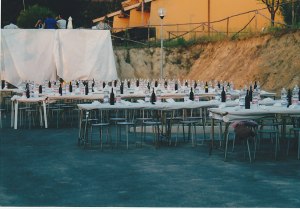
As evening approached, the men, decked out in chef’s hats and aprons started up the barbecue. Soup is Ceppato’s specialty but the barbecued meat is its pride and the men were reveling in its preparation. Many jokes and not a few glasses of wine later, just at dusk, the meal was ready. We made our way to the rows of white tables set up in the parking area along the side of the road. Our names were on the seating chart, sort of–Americans-2. The tables filled, wine was poured, the soup arrived in the hands of the older children and the “sagra” began. On a clear night, under a star-filled sky with our new friends, we celebrated life in the Pisan hills.

IMG_0007

You won’t find these “sagra” listed in any travel guides. The dates are erratic, depending upon the whim of the community. What you will find are signs posted along the roads, at junctions, within the small towns, on directional signposts, announcing the date and the food specialty. Look for signs like Sagra del Coniglio, Sagra della Pattata, or, the fabulous, Zuppa sotto le Stelle! of Ceppato. Somewhere, every weekend, in the net of the Pisan hills, there will be a “sagra.” Mangia!

Lost in the Pisan Hills

The ubiquitous cappuccino

The ubiquitous cappuccino

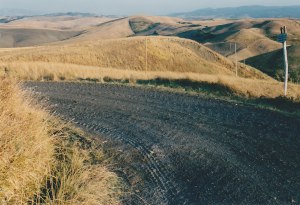
What do you do in Italy in August when Italians are all at the beach and it’s hot? Rent a car and head to the Pisan hills. My adventure in these hills began when a friend and I rented an apartment for two weeks. The apartment was listed as a modern apartment on a farm in Piastraia. A small, Italian farm was a topic of interest, this was a part of Italy we had not explored and the price was right. All we had to do was find it. This was no small task as we discovered upon entering the “net” of the Pisan hills; that tangle of small roads that will cause you to get lost even when you have been there before. Many wrong turns later, far from most anywhere and designated only by a small sign reading Piastraia, we found our little farm, a small house inhabited by Elvira and her son, Roberto, with several small out-buildings and two modern, reasonably well-appointed apartments attached as rentals. We settled in. I took the bedroom with the big bed and my shorter friend took the small bed in the main room. (I think I still owe her for that arrangement!) On the tree-sheltered stone patio just as the sun was hitting that perfect late afternoon Tuscan light, we began our evening ritual of a chilled glass of prosecco and recapped our day. The Pisan hills awaited us.

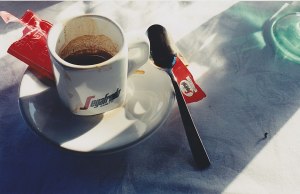
The Italian way to start the day is with a quick cappuccino at the local bar. On a small farm, there is no bar. So, on day two, we set out in search of our morning coffee. A brief, gesticulating conversation in Italian with Elvira led us on a fifteen minute uphill climb to the tiny town of Ceppato. Excellent! Well, perhaps not. There is a bar but it is only open on the weekends. Farmers and really small-town dwellers make their own coffee. We truly were the lost tourists just looking for a cup of coffee, when the miracle of Piero appeared and our beautiful relationship with Ceppato began. Piero became our advisor, encyclopedia and friend. No question went unresearched, no request unfulfilled. We were the adopted Americans and we were privileged to participate in Ceppato life culminating on our last night with their Zuppa sotto le Stelle but more about that later.

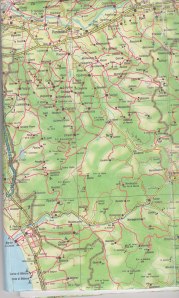
About the “net,” before you begin your journey, invest in a good, detailed map of Tuscany. I recommend Carte Stradale D’Italia as it lists the tiniest of towns. You will see that all roads lead somewhere but not always where you meant to go. This is half the fun, but it’s good to be able to find your way home. On this map, the net is comprised of the red roads; others will color them white, still others yellow. Mostly, you are looking for the small, unnumbered roads that form a net-like image, twisting, turning, connecting, with the occasional dangling thread. The net encompasses the area leading south out of Pontedera to Volterra, west along the Cecina River to the sea then north bordered by the A12 in the direction of Livorno. Within this area, you will find the ancient city of Volterra, where I have witnessed a Rocky Horror Show production in the middle of the piazza, the charming town of Casciana Terme with its baths and a wonderful winery, Fattoria Uccelliera, run by a delightful young woman and her family near the town of Fauglia. In the course of your adventure, you will get lost; you will have to turn around–many times. Do not despair, you may discover another Ceppato and it will all be worth the effort.
IMG_0016

IMG_0018