Tags
A Ceppato encore
17 Sunday Nov 2013
17 Sunday Nov 2013
Tags
09 Friday Aug 2013
Tags
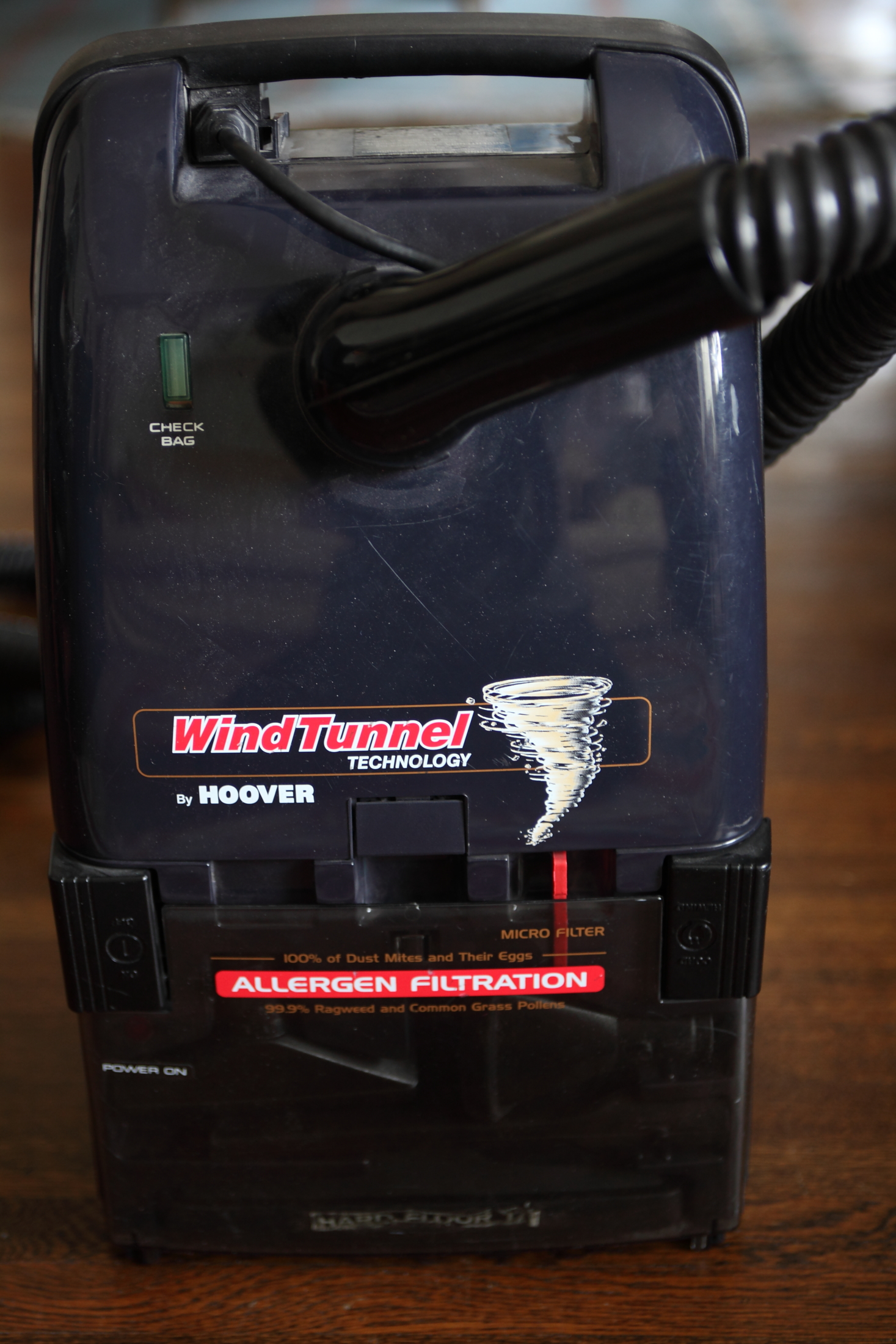
For weeks I attempted to compensate for that lost tripod bolt. The one sucked into the vacuum just before my departure. There was the prolonged search for a replacement bolt beginning in Ghent. There was some hope in Bologna. At least the sales clerk knew what was needed and sent me to the better equipped partner store. Alas, bolts fit only for Italian makes. I am now dealing with that French/Italian thing again. I’m in Italy, the tripod is French and the French do things differently. Even, apparently, to the point of threading their bolts in a different gauge. Who would have thought?
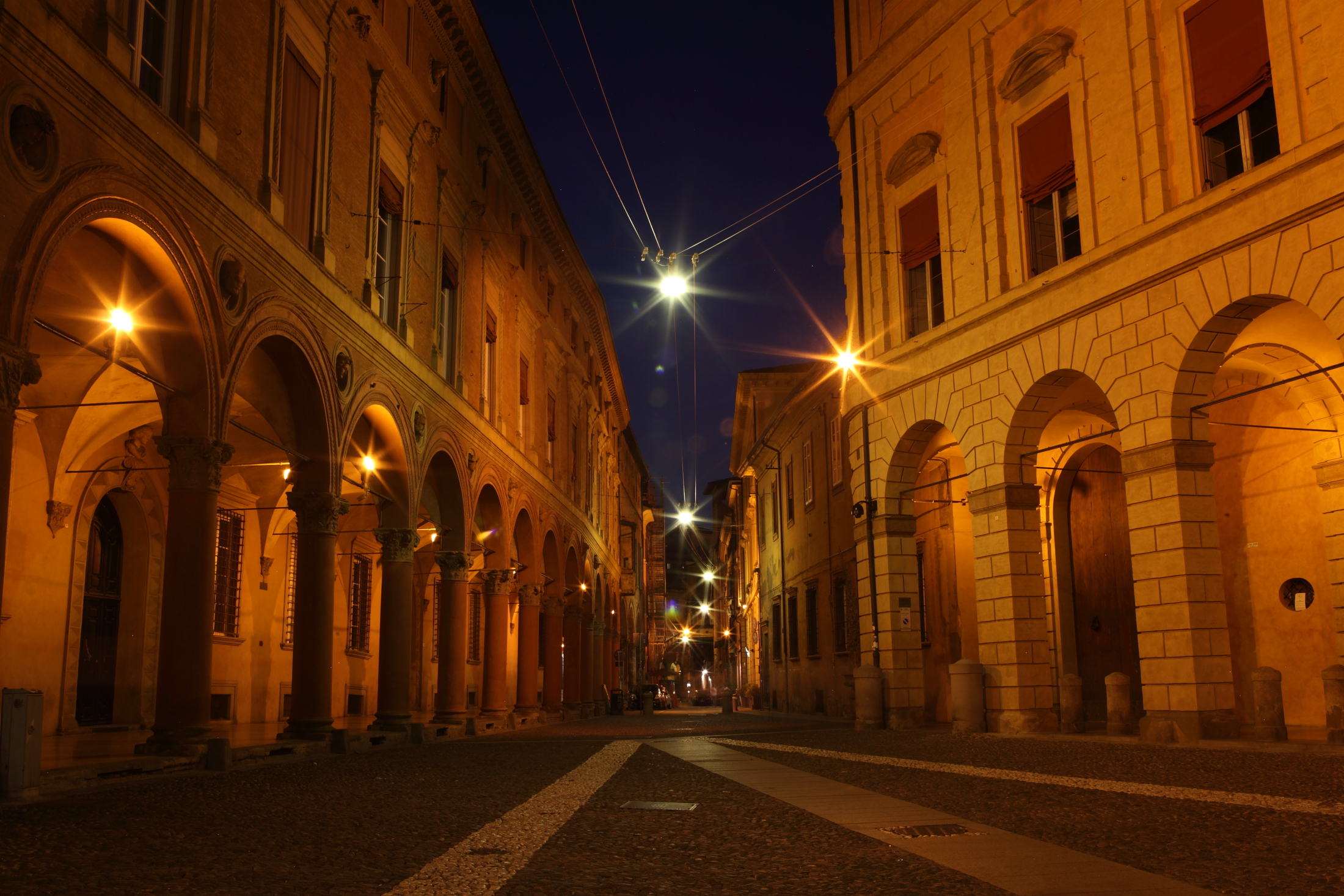 Meanwhile, a fellow photographer has joined me eager to do a little night shooting. My accommodating exchanger has offered his tripod. Of course, my nifty grip head doesn’t fit so I am dealing with a totally foreign tripod but I make do for the evening. Sadly, nothing spectacular, only modest success from the experience, but the effort was made.
The following weekend entails a return trip to wonderful little Ceppato and another sagra sotto le stelle and a visit with Piero. If anyone can find a bolt, he is the one. The search almost becomes an obsession. Still, there is not an Italian bolt on earth that will fit that tripod. Finally, I am finished with the search. Enough is enough. Any night scenes will be blurred or I will just fix them in my memory. Not a bad thing.
In the final days of my summer adventure, Zurich is scheduled. The night photographer friend lives in Zurich. She has found a place where we are certain to find the perfect bolt. A successful search is no longer important to me. There is little time left and I am, frankly, bored with the search. Reluctantly, I agree to try. Just one more time.
Success! She’s right. The bolt is longish but the threads seem to work. Ah, Switzerland, that neutral country that tries to accommodate all.
Home with the new bolt. It goes through the disk. It fits into the head. Now for the tripod. The bolt won’t screw into the hole. It isn’t deep enough. The bolt is too long. Or is it? No, there is something in the hole. A bolt. The missing bolt. In the tripod hole. Not in the vacuum. With me all the time. Who thought to look down into the hole? How did it get down there? How do we get it out? Two types of tweezers and needle nose pliers will not extract the bolt. Unscrewing the top only lengthens the center pole. It’s stuck. Until I finally realize that one has to continue twisting and the very top eventually comes off and the bolt is dumped out onto the table. It appears to be laughing.
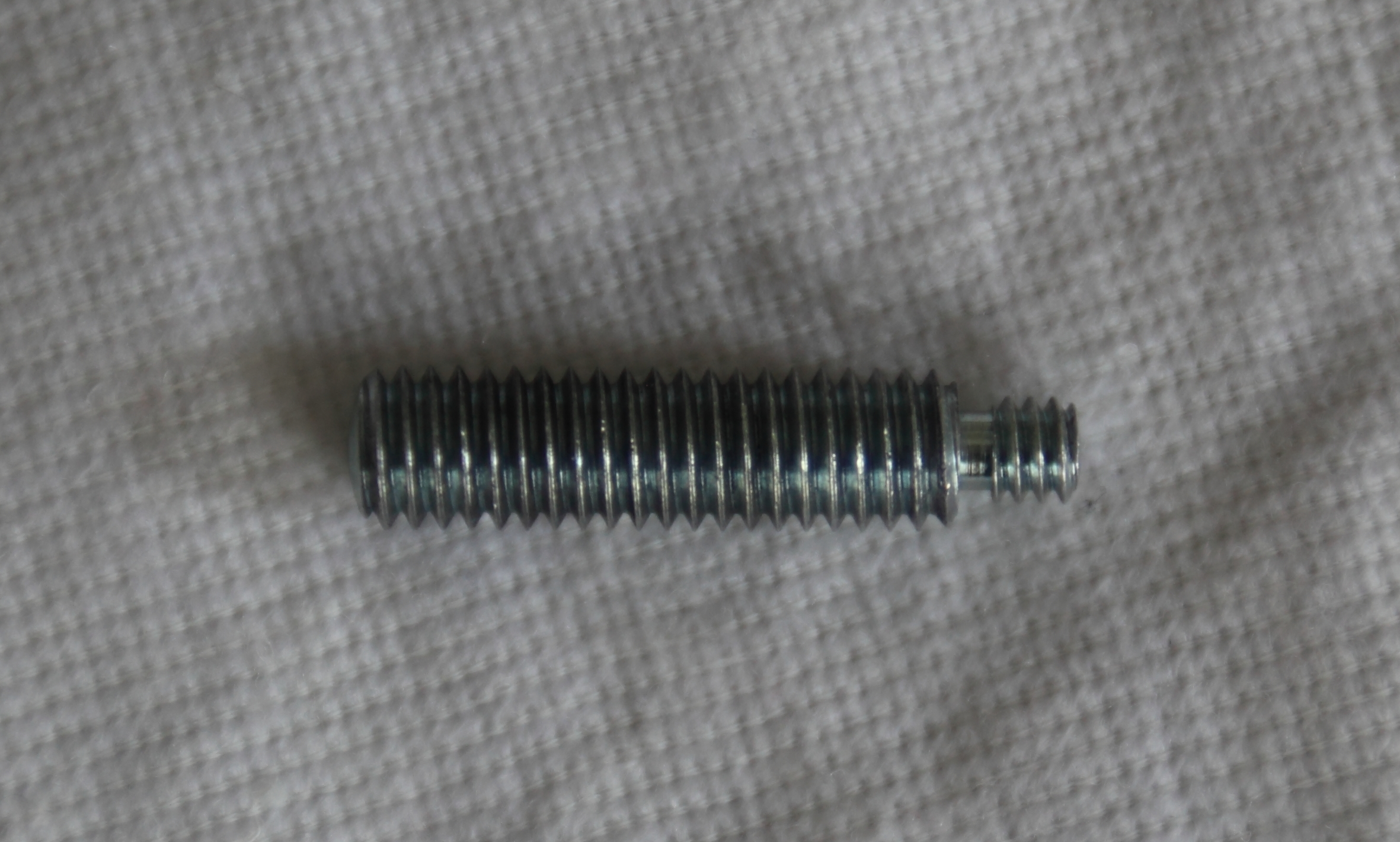
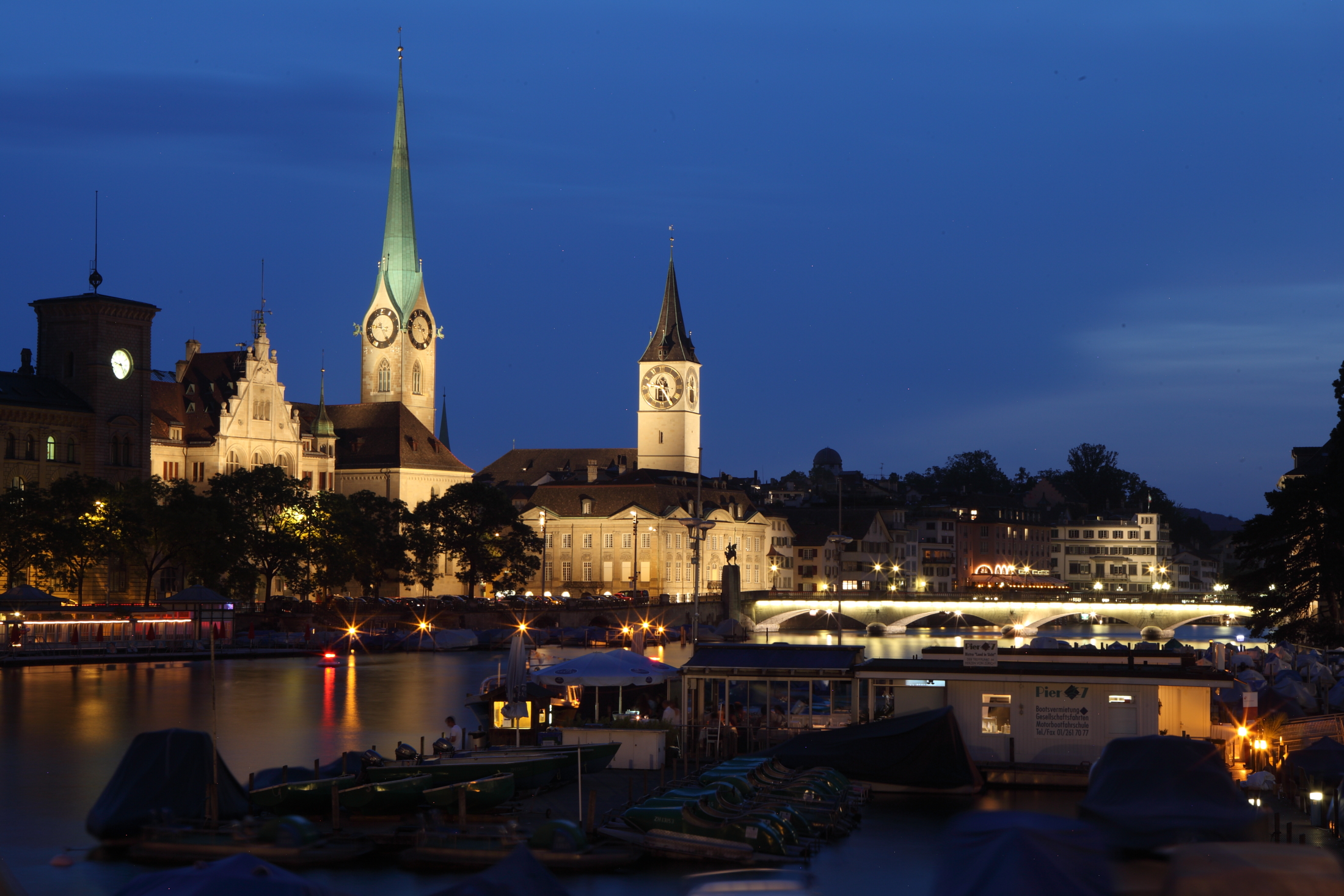
One last evening, tripod in hand, bolt properly placed, we document both the use of the tripod and night in Zurich. Mission accomplished.
So what was that kerthunk? What was swooped into the vacuum? A coin? A different, less important bolt? It is a great relief to know that I won’t have to search through the filth of my vacuum for the bolt and I’m not curious enough about other possibilities to delve into the muck. But I now know that a logical assumption is not necessarily a logical answer. Two and two do not always end up being a bolt.
24 Wednesday Jul 2013
Posted in Travel
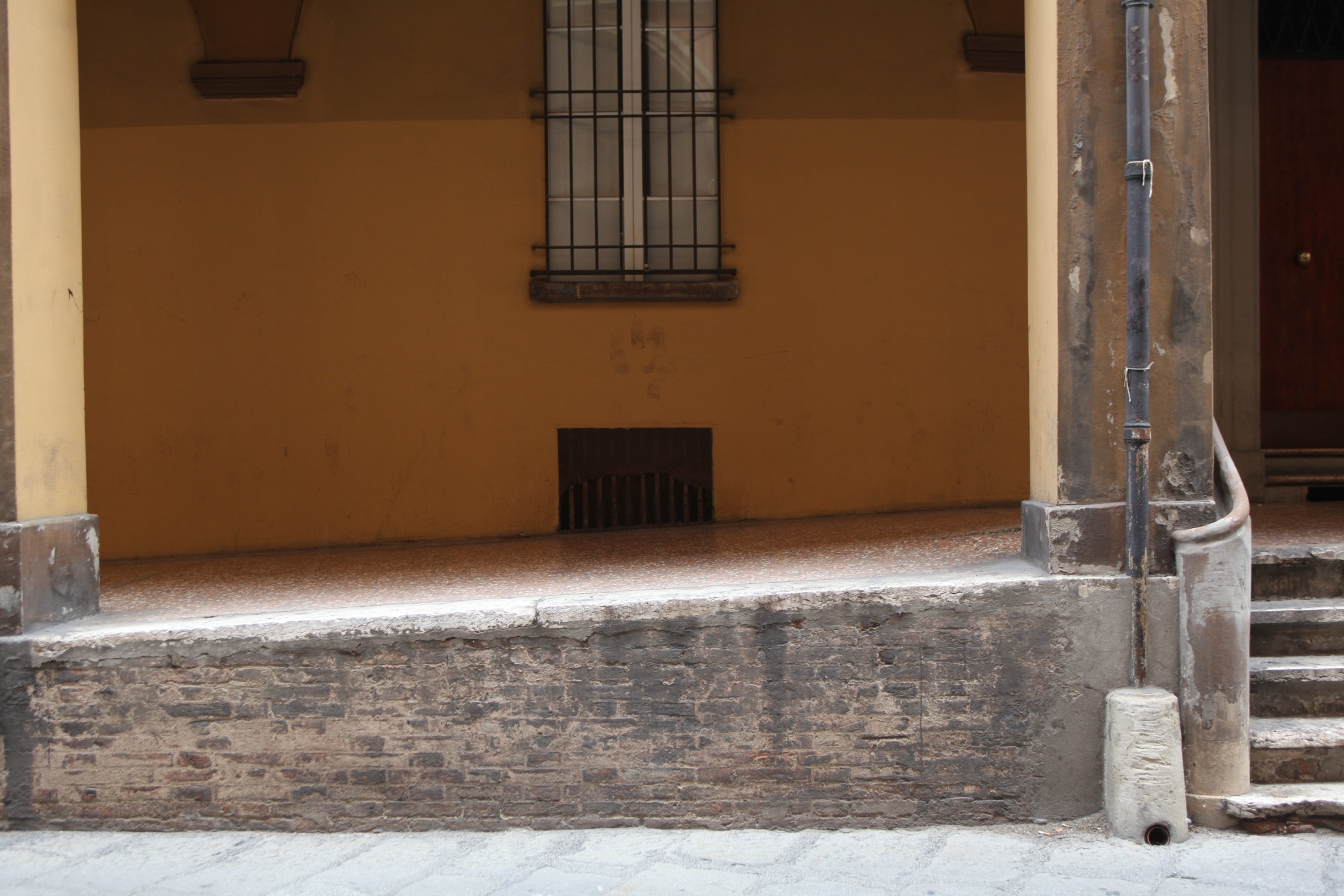
Curbs in many Italian cities are quite high, perhaps dating back to the days of horse drawn carriages and less sophisticated drainage systems. The high curbs of Bologna play an important part in this story. Exhausted by the day’s experience in “Driving in Bologna I,” we made our way to our hotel, finding a parking spot in a perfect location, near the hotel and not in an isolated area. It was a small space but with a little effort the car just fit, a little close to the curb but no matter. We were happy to be rid of the car for the evening. The hotel was pleasant enough. We checked in, dropped our bags and went in search of an osteria. Over a nice carafe of house wine and a meal of the delicious cuisine of Emilia Romagna, we recapped the adventures of the day and marveled that we escaped with nothing more than the cost of a new tire and a good story.
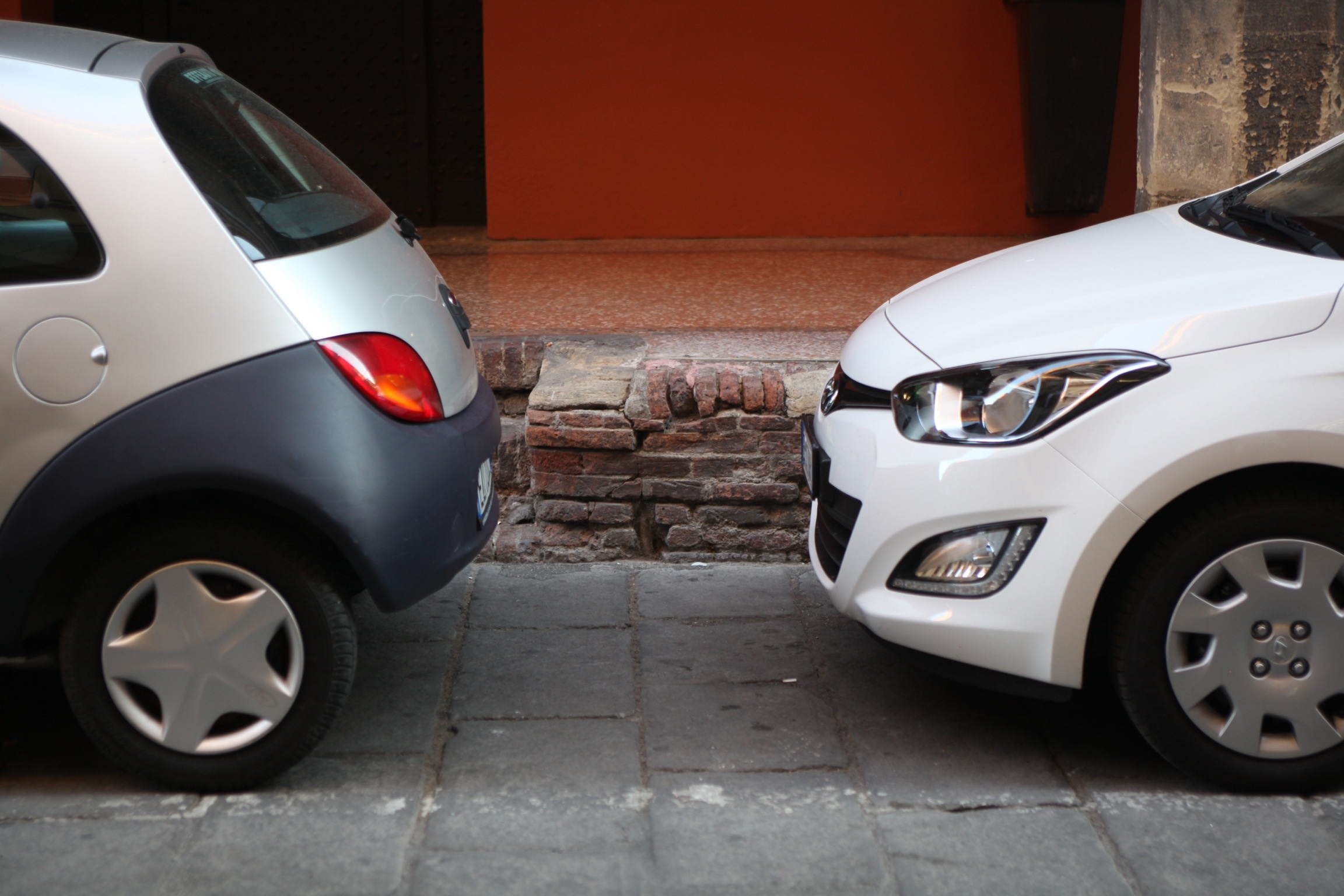
Bright and early the next morning, we approached the car, bags in hand, and were relieved to find it intact. We loaded the trunk with our bags and climbed in prepared to continue our journey. That high curb had other ideas as it grabbed the underside of the rear fender in a death grip. By the time I got the car off the curb, there was a large piece of the wheel well dragging on the ground, its molded form impossible to bend back to its original place, leaving the car impossible to drive. A small crowd gathered offering the usual spectators’ advice, none of it useful, but the consensus was that nothing would work. The only possible solution was to somehow tie up the hanging part so it wouldn’t scrape the tire and try to find a repair shop. No rope, no stores open, no help from the spectators. But, in her luggage, my well-prepared friend had a bungee cord. Far from a perfect solution, it offered some hope. As we began manipulating the stretchable cord, one gentleman observer just grinned, shook his head and left. A bungee cord can be very useful but it is not a rope and its stretchable nature does not make for a secure lashing. But we made it work after a fashion and, with fingers crossed, slowly made our way through the quiet streets back to the only place we knew that was open and worked on cars, the tire garage.
Their expertise did not extend beyond tires, but they just happened to know two brothers who did body work, they were close and they were open. Off we went in our bungee-wrapped car looking for the place we couldn’t miss. Many wrong turns later and still no garage, we finally called for directions and, with minimal English on one end and minimal Italian on the other, finally figured out guideposts. We were looking for a garage. This was more like a junkyard behind high cement block walls. We were understandably skeptical.
The language barrier was obvious from the start. My Italian was limited, their English non-existent. They called an English speaking friend. His English was less than my Italian. He called another friend to try to help translate on the phone. That was worse. We were getting nowhere and it was getting late, near that magical mid-day hour when everything shuts down for three hours. I finally decided to go with my Italian and my hands to explain what was needed.

At first, the repair was going to take several days. They would have to order a new piece. It would be very expensive. Then, maybe it could somehow be repaired without a new piece but still expensive and not today. Suddenly, my Italian got better and I got the message across that this was a rental car, I didn’t want to spend a lot of money and the car was due for return in two days at the Milan airport. It was a French car going back to France.
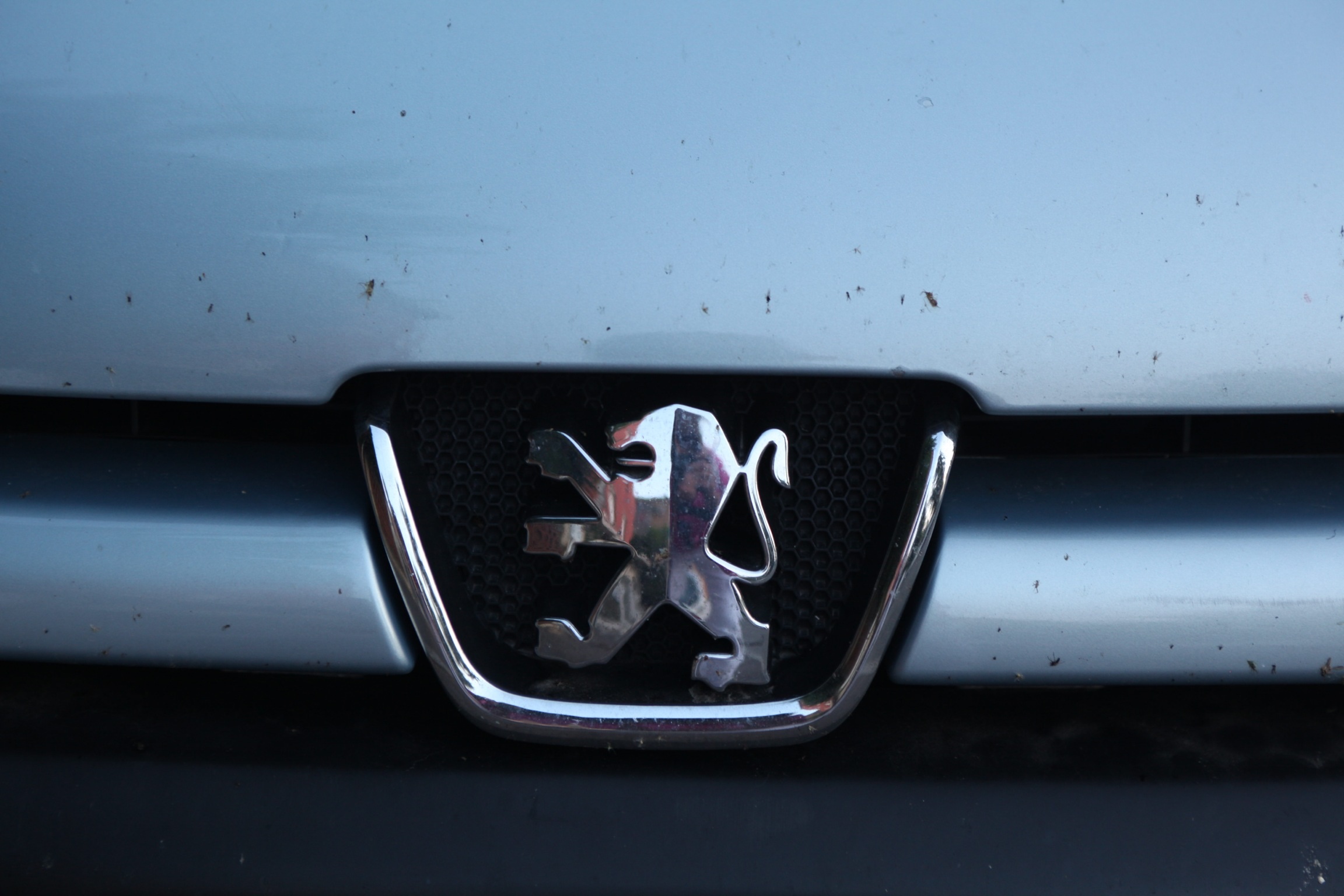
At that precise moment of comprehension, the brothers looked at each other, threw their hands up into the air and cried “capiamo!” we get it. Go, eat. Come back later this afternoon. Your car will be ready. So we did what the Italians do, had a leisurely three-hour lunch and returned to find the car finished with no noticeable damage. Bravo. Now, for the bill. This is where the French/Italian rivalry really works in our favor. The brothers are not great admirers of French engineering and think their cars are poorly made. For them this was an opportunity to get the French by cutting off the offending piece, leaving the car looking like new, guessing that the absence would never be noticed. No charge for putting one over on the French.
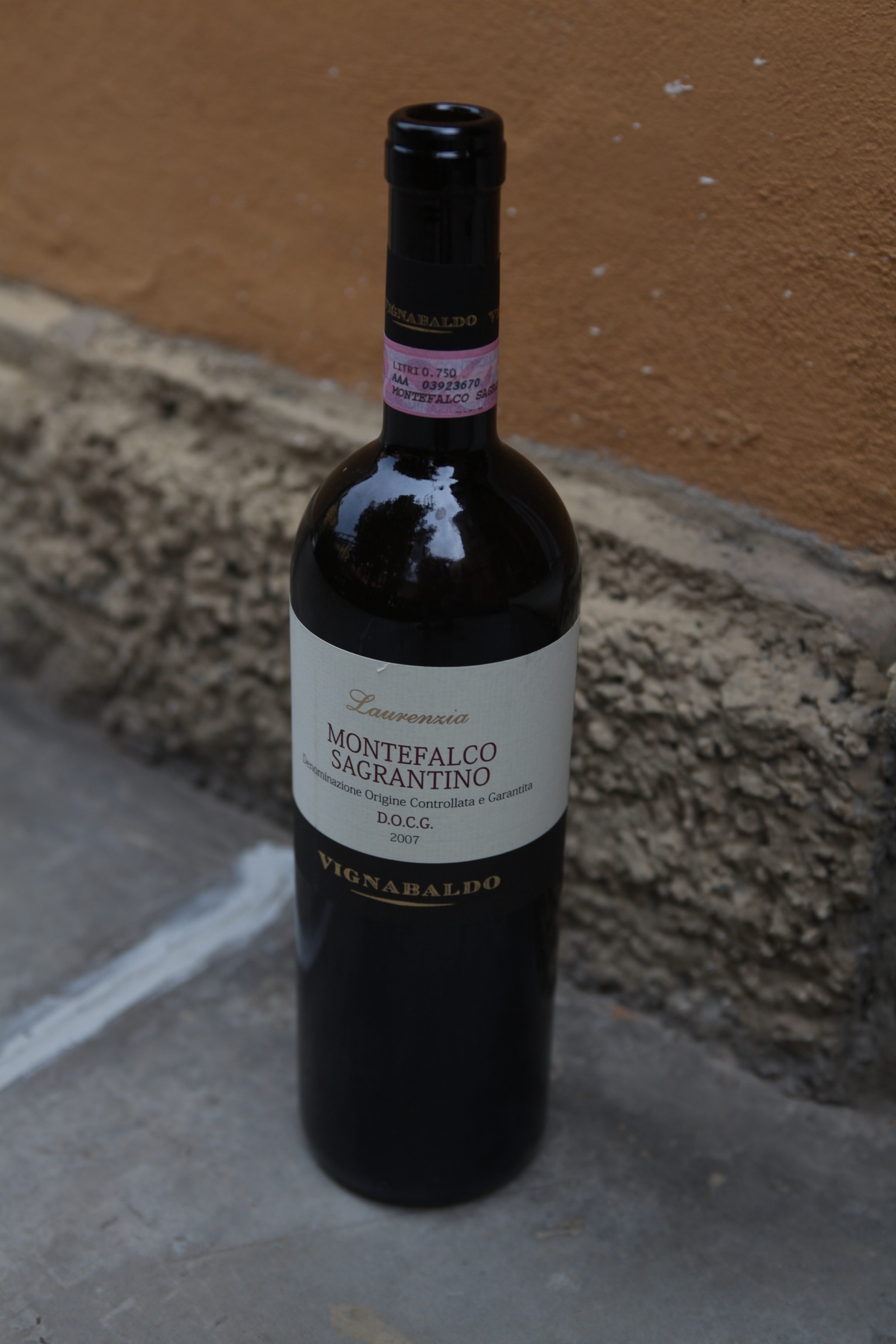
So, about that bottle of wine, it went to the brothers. As predicted, the car repair went unnoticed and now I always carry a bungee cord.
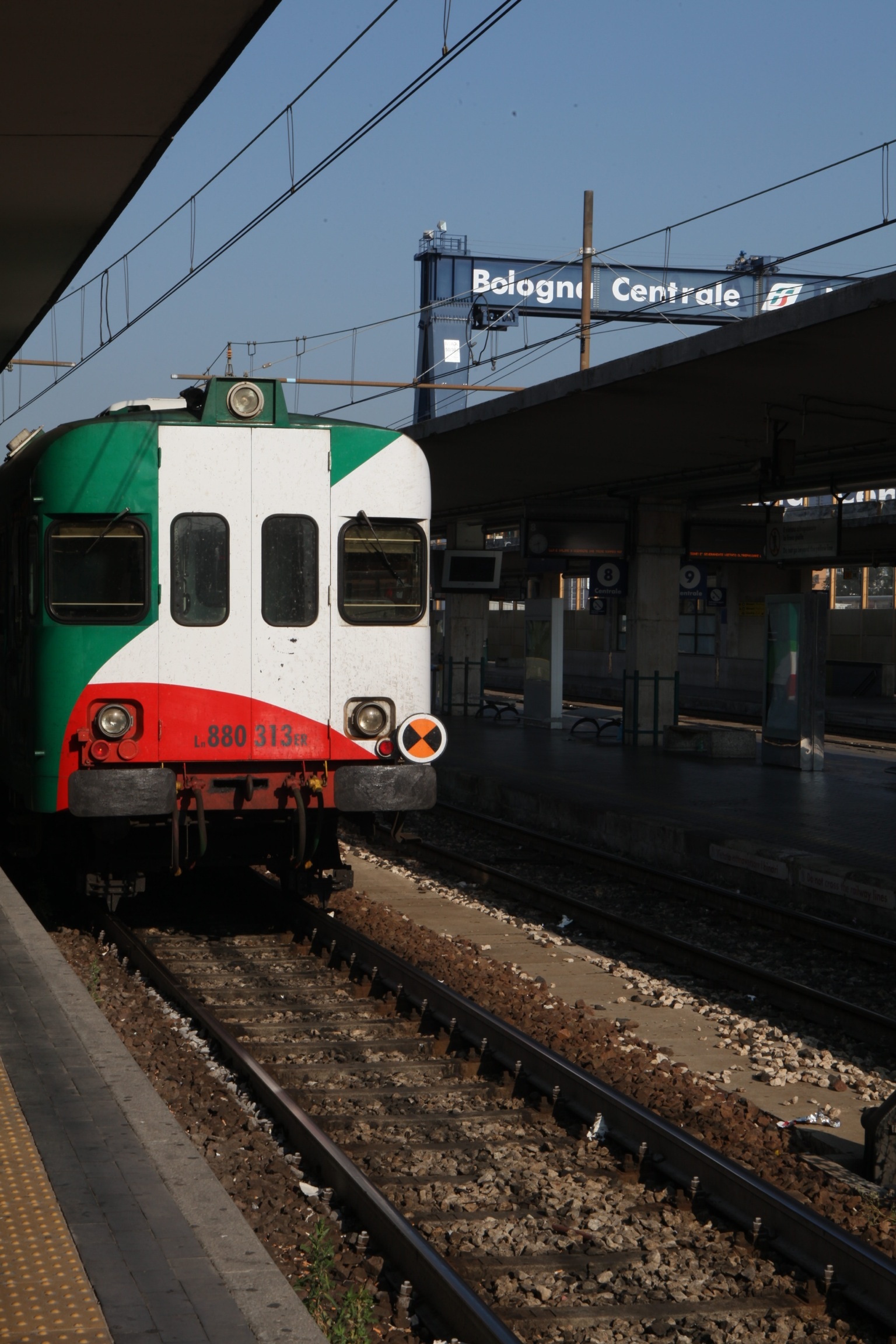
I have since returned to the lovely, exciting city of Bologna– by train.
18 Thursday Jul 2013
Tags
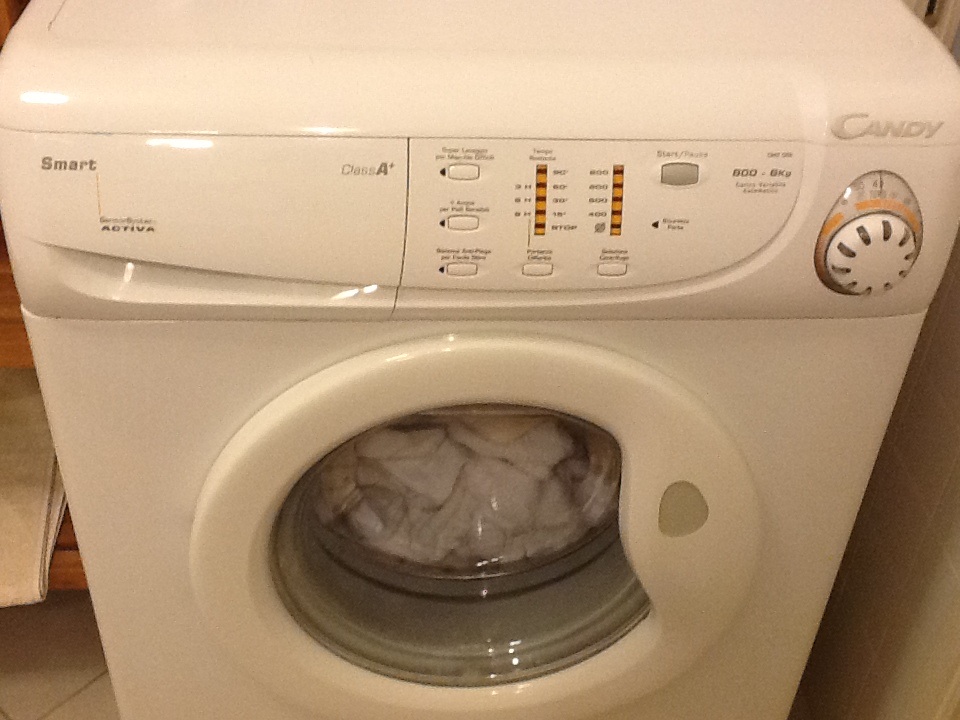
Not many things stump me. Perhaps that is a gross exaggeration. Let me say that I can usually figure out how things work–except when it comes to Italian washing machines. There is a clever little machine called Candy. The most recent experience was with a Candy named “Smart.” That should have been the first and most telling clue. But I blithely loaded the machine with clothes and soap only to discover that Candy was smarter than I yet not smart enough to just do the laundry. The home exchanger left instructions, select “N” for the quickest wash and start. Earlier experiences with Italian washing machines made that choice appealing as they can take an unbearably long time. First they fill with water, the water sits there long enough to heat up then the machine sloshes for a spell. Stops, sits, sloshes some more and can take upwards of three hours to complete its cycles of slosh and wait, slosh and wait.
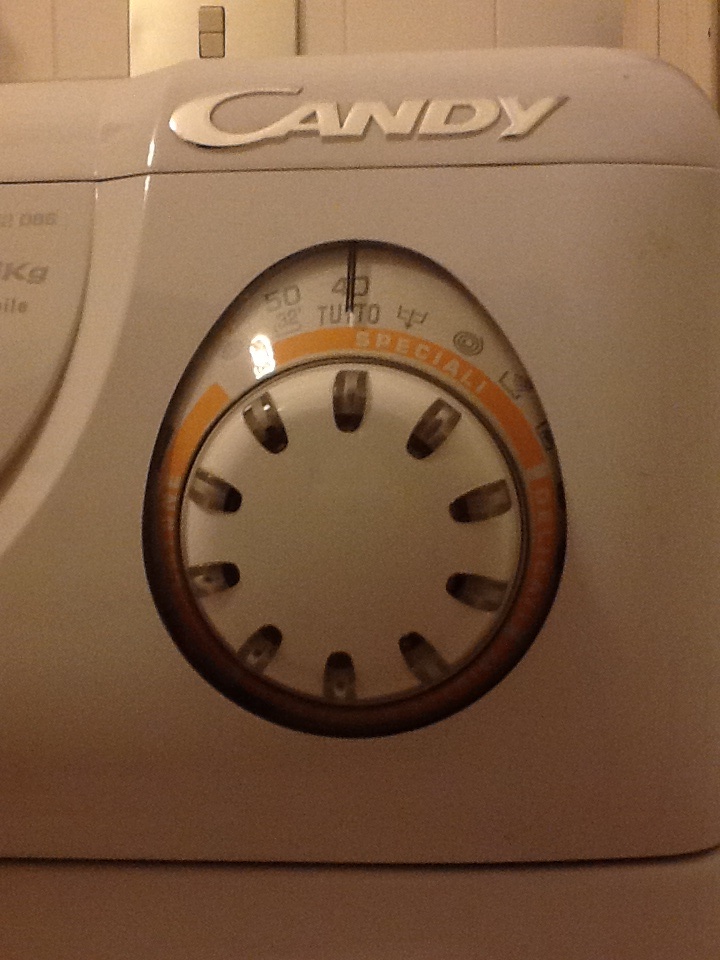
There was no “N” on the dial–anywhere. Cotone, known for the long wait, delicati, the obvious and something with a Tutto on it. I selected Tutto, pushed a couple of other buttons that looked necessary including what looked like temperature but turned out to be time and another the velocity of the spin. Pushed start. Nothing. Pushed start again. Still nothing. Pushed really hard on start until a sort of click. Nothing. Started over again. Nothing worked. Candy won. Later that evening, the exchanger, who fortunately lives in the building, came to the rescue. What he did looked like what I did except when he pushed start, Candy began her little sloshing. I watched, really carefully. I swear I did. His push was a simple push with his thumb, the steps seemed simple enough, took thirty minutes. Laundry in the future should be a cinch.
It was not to be. This morning I set and reset that little devil a minimum of ten times. Every time, after a push of start, nothing happened. The laundry, soap and all, sits there waiting until the return of the exchanger. A sweet-sounding little machine called Candy has truly outsmarted me and I am not pleased. An Aperol spritz is helping but I’m having trouble letting the defeat go.
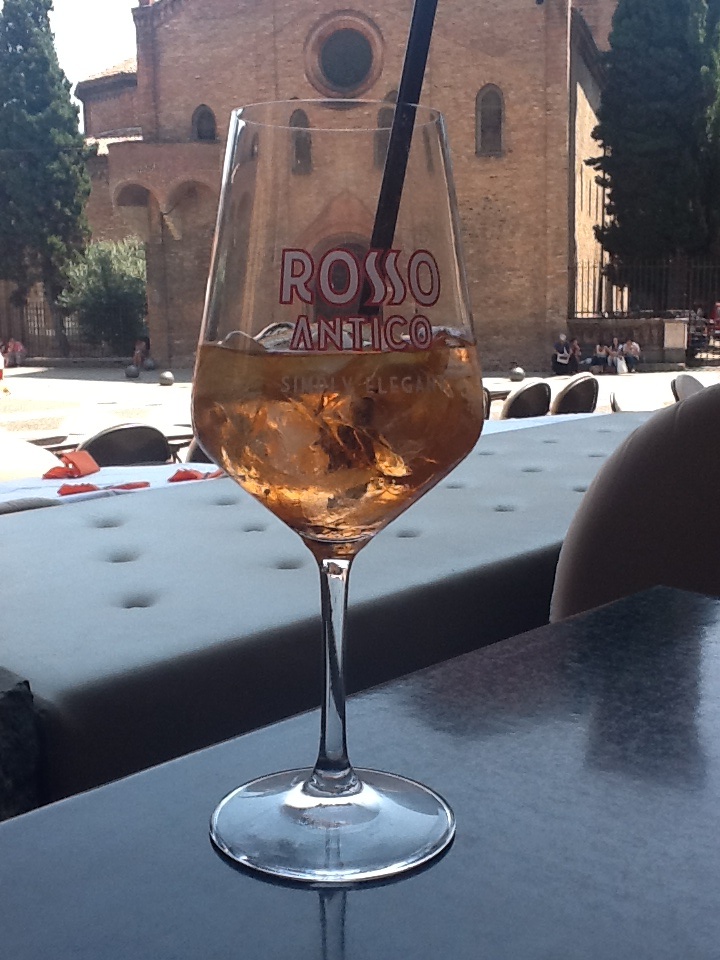
Perhaps I need a new thumb.
07 Sunday Jul 2013
Posted in Travel
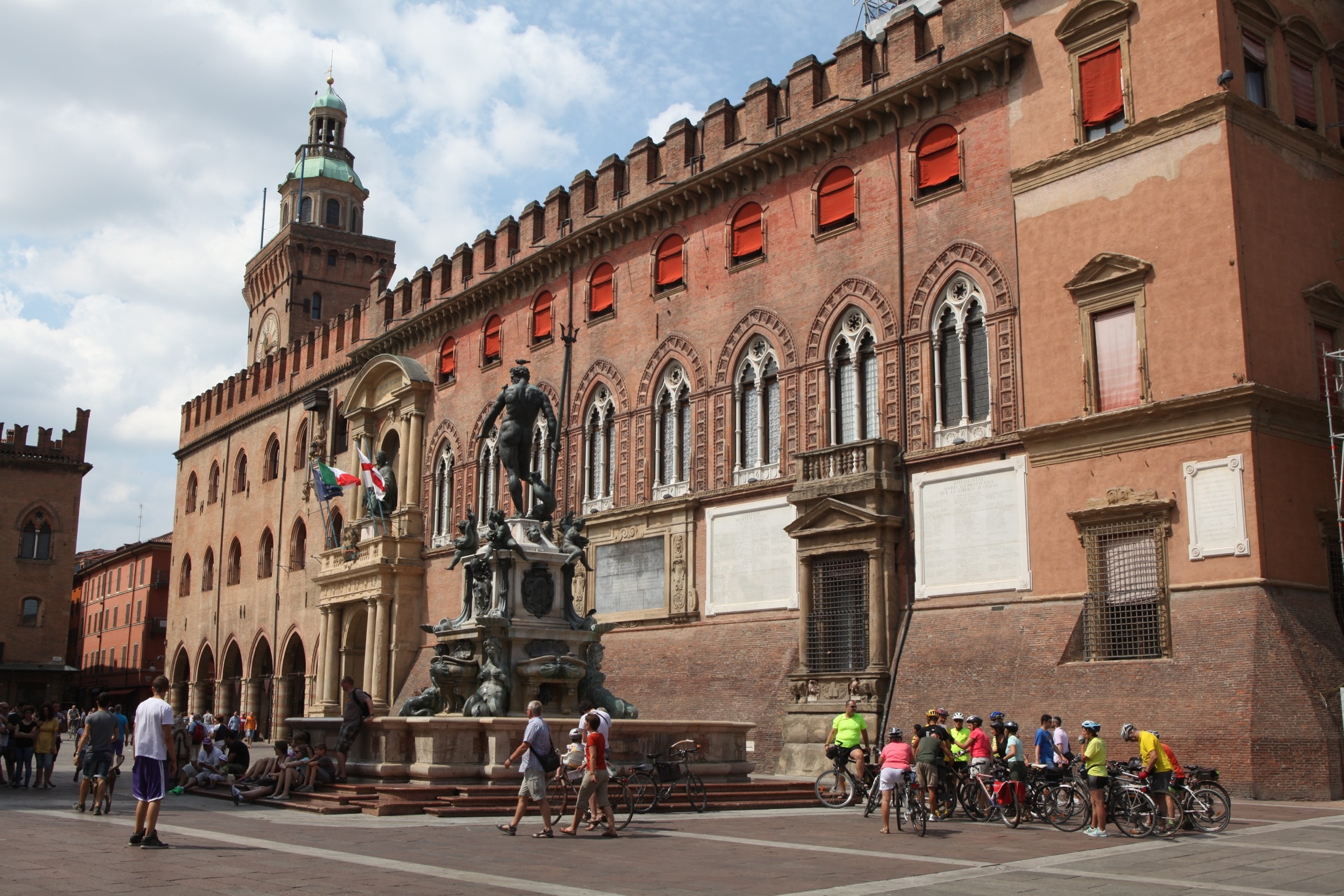
Everyone in Italy goes on holiday August 15. Everyone, that is, except scoundrels who prey on tourists who forget that everyone goes on holiday August 15. Realizing that this is a gross overstatement, my story begins on this premise. It was August 15, I was a tourist and the scoundrels did find me.
My friend and I arrived in Bologna late morning. The city was quiet and we had no trouble finding a parking spot on the street. Bologna is one of those cities where you buy parking time at a machine and leave the time-stamped ticket in your window. This makes it easy for the traffic police to see if you have overstayed your time. It also makes it easy for the scoundrels to know how much time they have to wreak havoc. Our first concern was avoiding a fine so we bought our ticket and set off to explore the city.
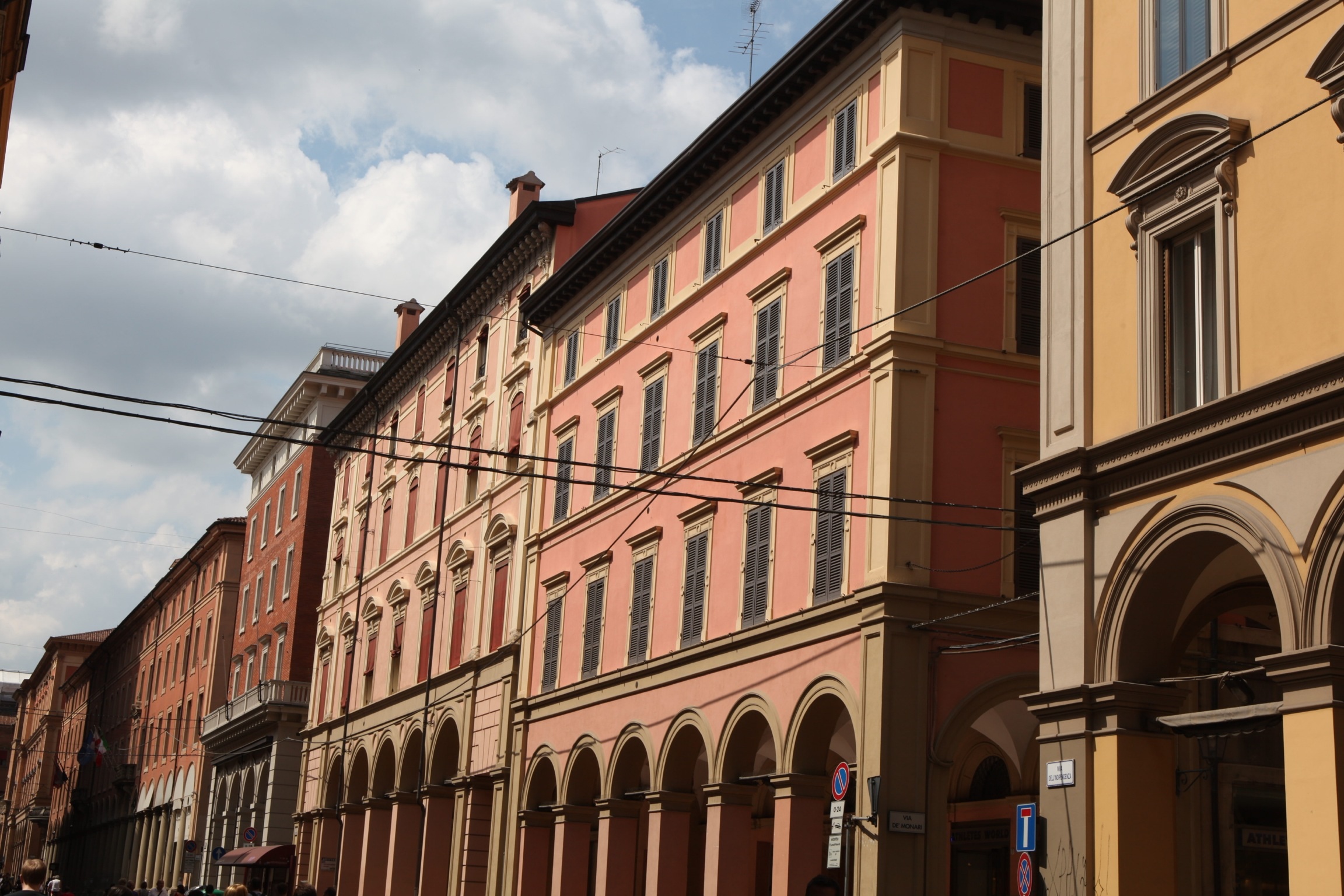
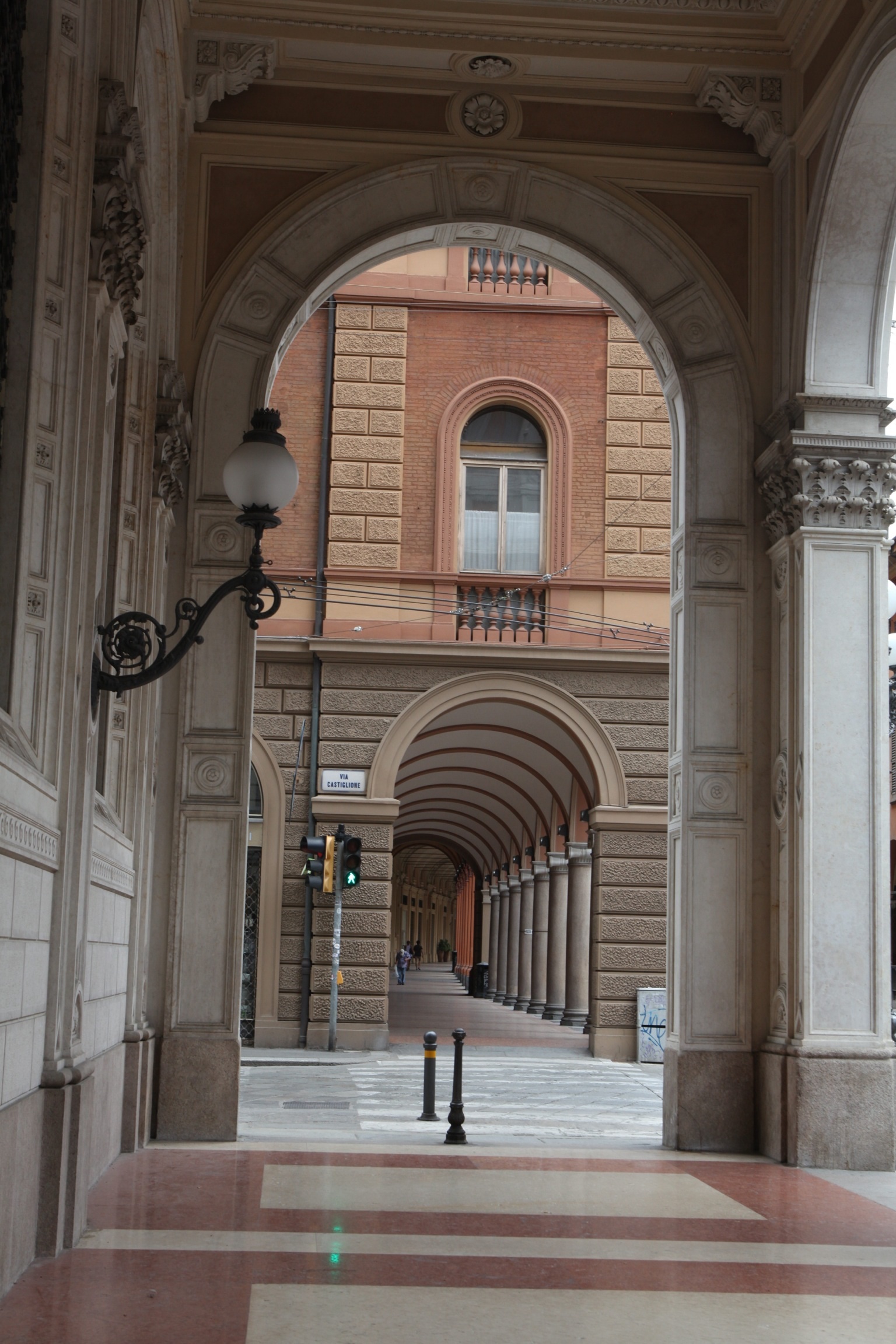
Bologna is a beautiful city with wide, arched, covered walkways to protect from the weather. An August sun calls for such protection and the walkways made a mid-day stroll possible. There were very few people about and shops were closed, but our wandering finally led us to an open trattoria where we settled into a long lunch—long enough to find us rushing back to the car past our allotted time. To our great relief, there was no ticket. What we did have was a flat tire. We had been in Italy enough to know that a flat tire on August 15 is not a good thing and we also knew that the strange donut of a tire that passes for a spare these days was not a good thing. As we stood discussing our options, we were saved by a passing English-speaking gentleman. Our good fortune, he knew of a service station just two blocks away; a quick left turn and we would find it. We did not invite him into the car to show us the way. We were not that trusting. However, we were desperate so we did follow his advice and crept along the two blocks and made the left turn.
There was no station in sight. Instead, we were on a quiet, tree-lined street, mostly residential. It appeared deserted until we spotted a shoe store with the metal grating half raised and someone inside. Surely he would know of this mysterious service station. We approached the store and called the man out. Of course, we were in the right place. Two men in blue work shirts materialized, eager to help. We opened the trunk, they pulled out the jack and spare and went to work while we watched.
It is common, in Italy, to engage many people in such an event, the workers and the commentators. The shoe store owner was a lively participant, the workers friendly and engaging. A man, smartly dressed in summer white, wandered over and joined the scene. Speaking English as impeccably as he was dressed, he asked lots of questions—where we lived, how we liked Italy, what had happened to our car? It was all very spirited with everyone eager to help. Until I noticed a movement out of the corner of my eye, low and by the driver’s side of the car. In four giant steps, I was around the car and screaming at the small man who had his hand inside reaching for a bag between the seats. No need to speak Italian here. My screaming was enough to stop him mid-grab. I knew enough Italian to understand his quivering excuse—un gatto sotto la machina! So, if your cat is under the car, why is your hand in the car?
The cat lover ran, the man in white mysteriously disappeared and the tire-changers began apologizing profusely citing recent problems with immigrants. The tire was quickly changed, the shoe store owner provided us with the name and address of a tire man who would be open and, quite shaken, we left. We offered to pay but they refused and continued to apologize for the bad immigrants. Was there too much apologizing? As I rethink the series of events, the apology seemed more a claim of innocence, the innocence not plausible. Consider: a sliced tire, two foreign women, a stranger who happens to know a service station that doesn’t exist but two men are conveniently on the spot to help, the English speaker arrives to engage us in conversation and the cat chaser appears with his hand in the car. There was a tire man although he did insist that we needed two new tires but our innocence was long gone so he settled for one. We planned to return to the scene of the almost-crime with a bottle of wine as a thank you, but the saga of the car continued and the wine had a different destiny.
04 Friday Jan 2013
Posted in Travel
Tags
August in Italy is “sagra” time when the small towns celebrate with a feast of everything from potatoes to rabbits. Each community features its specialty dish. The format is the same in every town. Rows of tables are set up in the piazza, or along the road in the smallest communities. Families often reserve space at tables but there is always room for the adventuresome traveler and families from neighboring towns. It’s that idle period in farming, crops planted but not yet ready to reap, and everyone wants to party. Wine pours freely, the food is ample and the evening nearly always ends with dancing in the street.
Cepatto’s specialty is soup, their “sagra,” Zuppa sotto le Stelle, (translated, soup under the stars) and the big organizer is Loretta who has a rooster that crows her name–…orehhtaaaaa. The women and older children prepare most of the meal, some portions in their own kitchens, others a joint effort in the middle of the road. This is a family affair and everyone, from the elders to the children, has a part to play. The men’s role is to set up the tables, barbecue the meat, sample the wine and, occasionally, stir the soup.

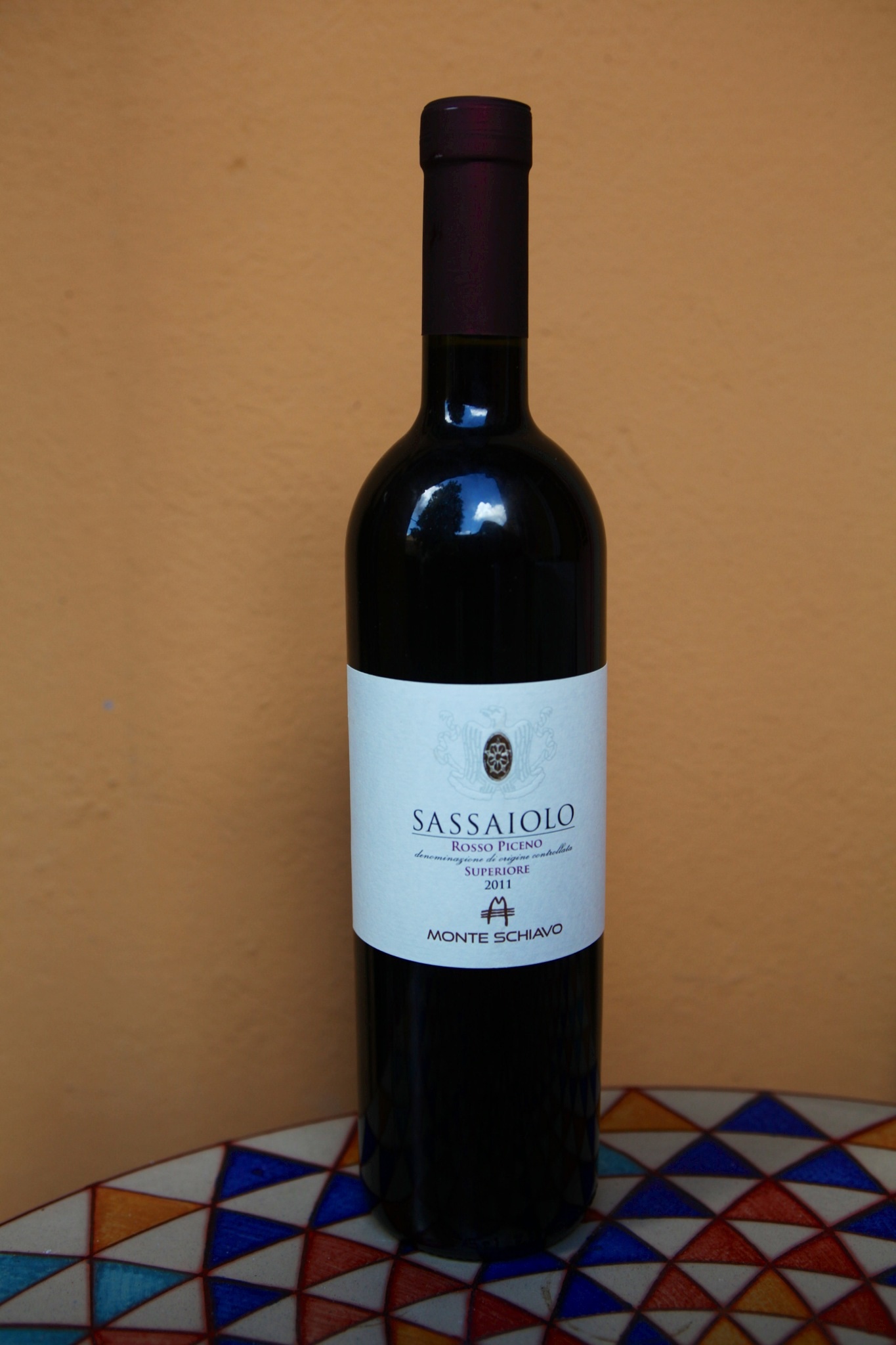
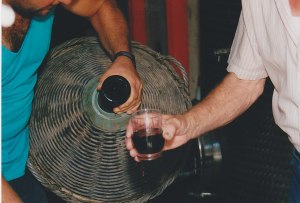
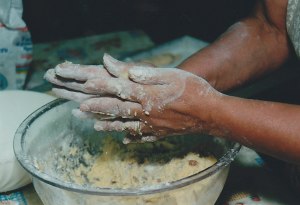
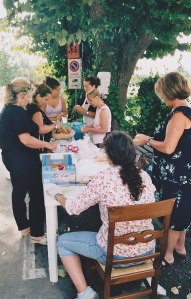
The day of the “sagra” began with five, flour-covered and laughing women in Elvira’s small kitchen making biscotti to be dipped in vin santo as the grand finale. While the biscotti baked in the large, outdoor brick oven, we joined the men and sampled the evening’s local wine, provided by Roberto, and gave it a thumbs up. The preparation party then moved up the hill and into the street.

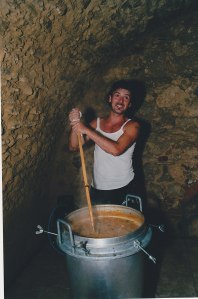
There is no piazza in Ceppato, there is only one main road with a few small roads leading off it on the downhill side. This is not a thoroughfare so closing it for the day doesn’t present traffic problems. Leaving it open is not an option as the road becomes the kitchen and the parking lot the dining hall. The chopping tables were out and the soup beans already cooking in a giant aluminum barrel-sized pot. There is a special room for this pot, a large, stone cellar two steps down from the street. On this day, someone was trying to fasten a curtain to the door to let in air and keep out bugs. There is no easy way to do this in a stone wall so the soup room remained open to air and bugs. All day, someone was in that room stirring the soup with a long, wooden stick.
The chopping began. First came onions, potatoes and other vegetables to add to the soup. The real chopping fun came when it was time to make the giant fruit compote. Tubs full of fresh fruit were brought to the tables where the knives were flying and hands were covered with sticky juice. As the bowls piled high with the fruit, strong hands were required to dump the concoction into large washtubs for later serving. Next came the salad. This is where the younger children got involved. Water ran through a stone trough along the wall and there was a lot of splashing and water play in the guise of cleaning the lettuce. More than one little one left with a soaking.
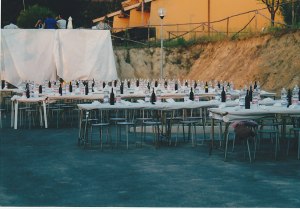
As evening approached, the men, decked out in chef’s hats and aprons started up the barbecue. Soup is Ceppato’s specialty but the barbecued meat is its pride and the men were reveling in its preparation. Many jokes and not a few glasses of wine later, just at dusk, the meal was ready. We made our way to the rows of white tables set up in the parking area along the side of the road. Our names were on the seating chart, sort of–Americans-2. The tables filled, wine was poured, the soup arrived in the hands of the older children and the “sagra” began. On a clear night, under a star-filled sky with our new friends, we celebrated life in the Pisan hills.
You won’t find these “sagra” listed in any travel guides. The dates are erratic, depending upon the whim of the community. What you will find are signs posted along the roads, at junctions, within the small towns, on directional signposts, announcing the date and the food specialty. Look for signs like Sagra del Coniglio, Sagra della Pattata, or, the fabulous, Zuppa sotto le Stelle! of Ceppato. Somewhere, every weekend, in the net of the Pisan hills, there will be a “sagra.” Mangia!
 ontheroadwithjp