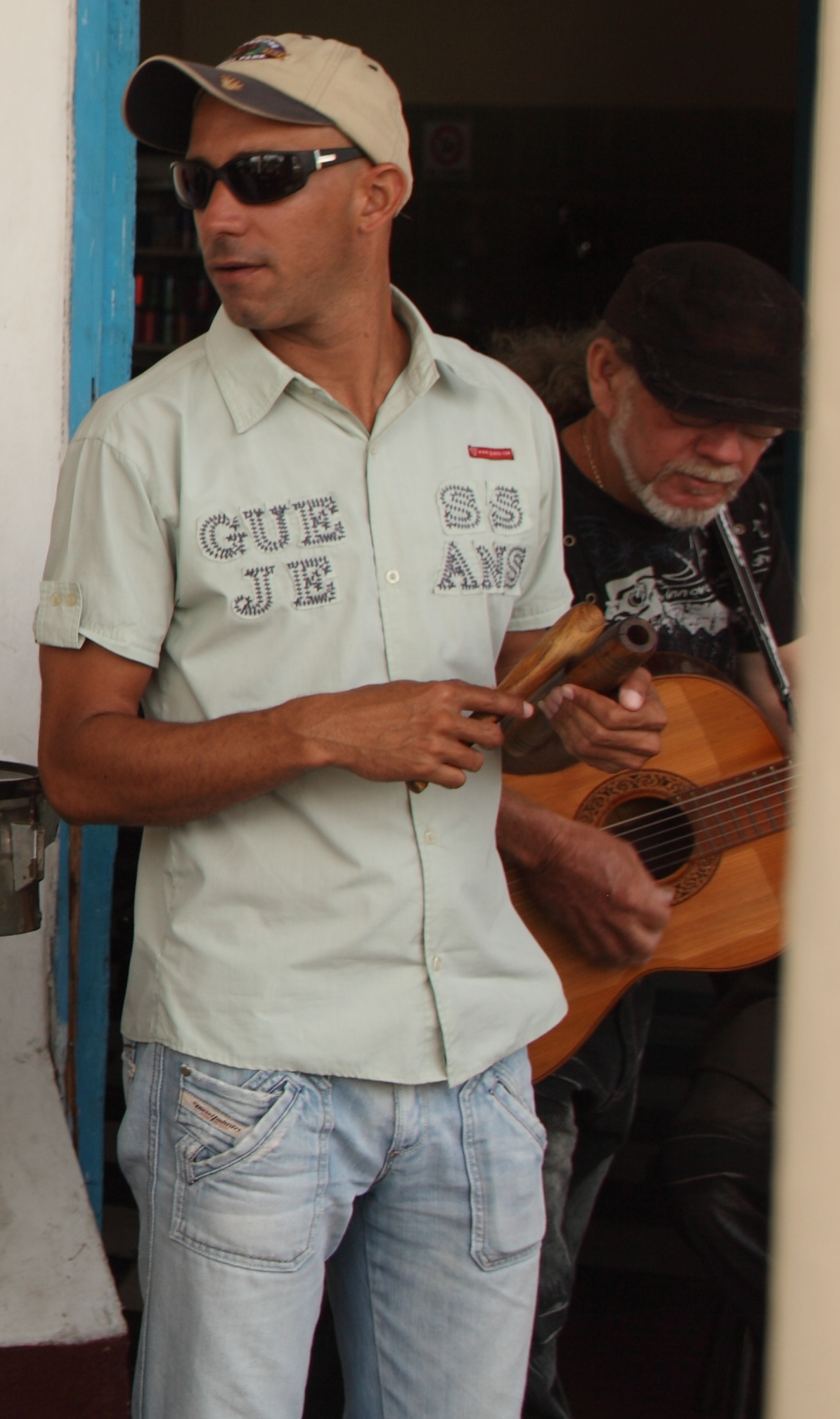
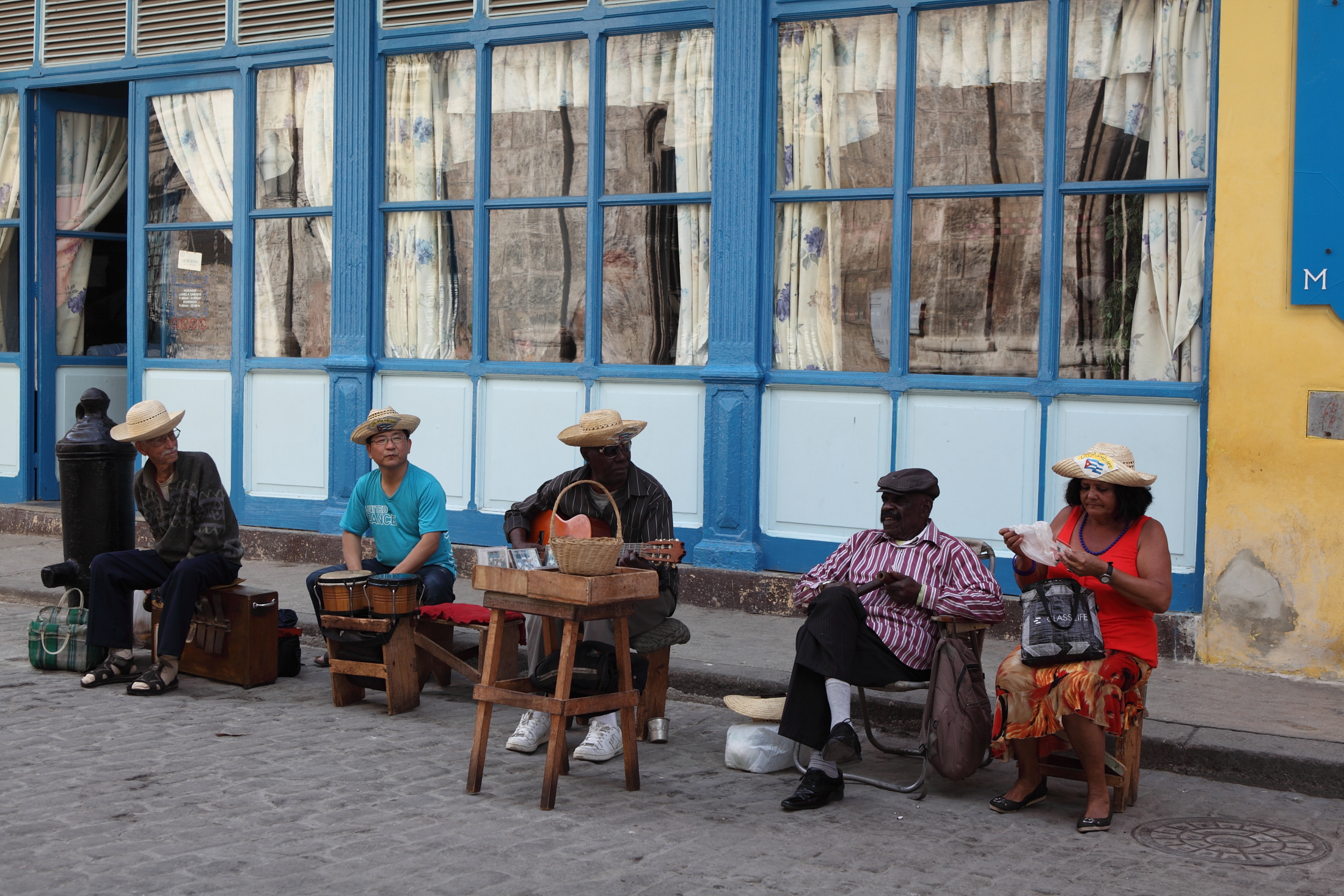
The sound heard all over Cuba. It sounds easy. In fact, not at all. Two sticks, one in each hand and held just so. All you have to do is hit one with the other—in rhythm—and therein lies the problem. What a rhythm! The books tell you it’s a straight, 1,2,3,4,5,6,7,8 but it’s really what’s in-between that 1 and 8 that throws the non-Cuban. The only answer is to forget the counting and just FEEL. Sit in a bar with a Cuban and watch the shoulders, they never stop moving while the music plays. This is not toe-tapping music, this is move-your-body music. It’s everywhere and, if you let go, you won’t be able to stand still.
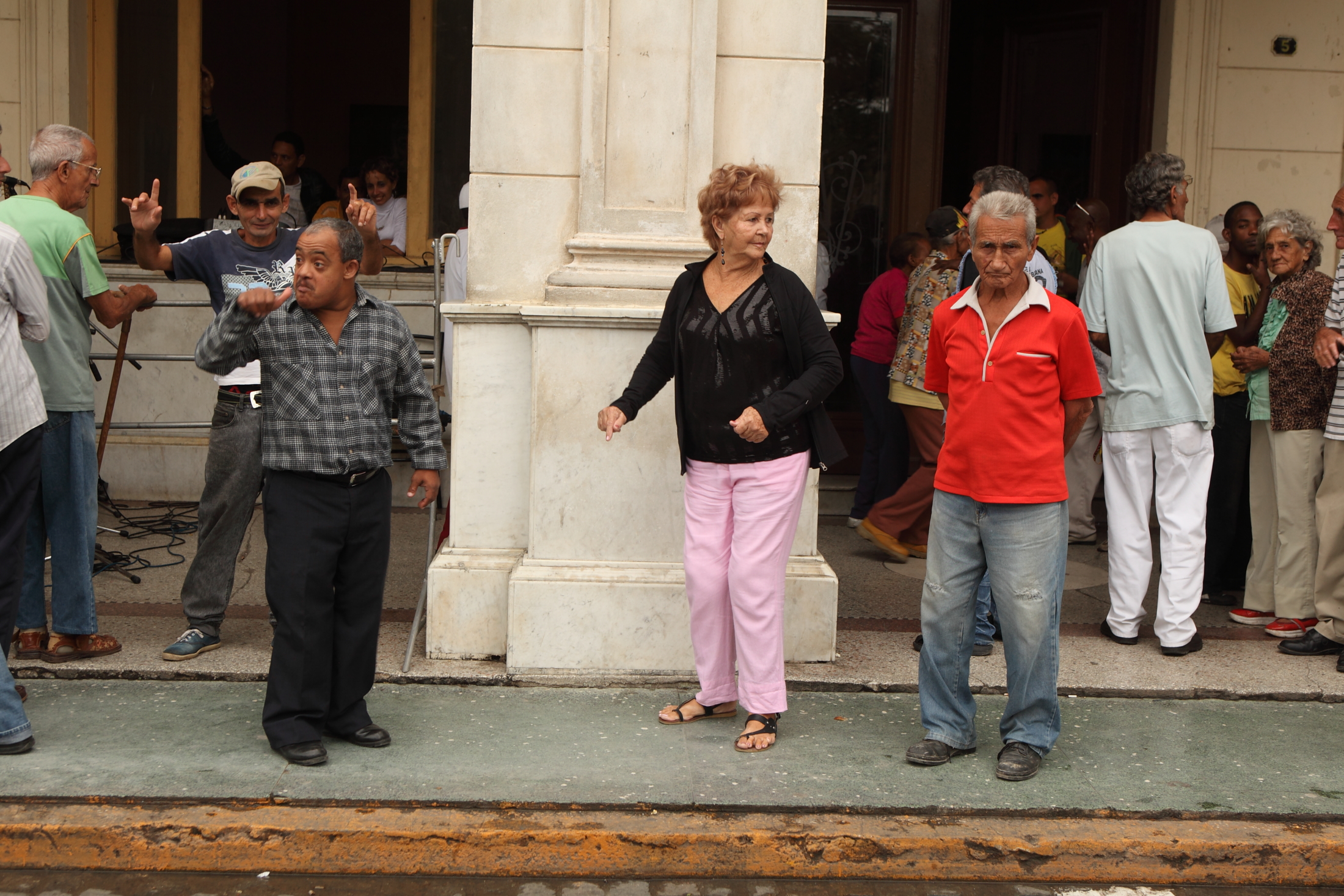
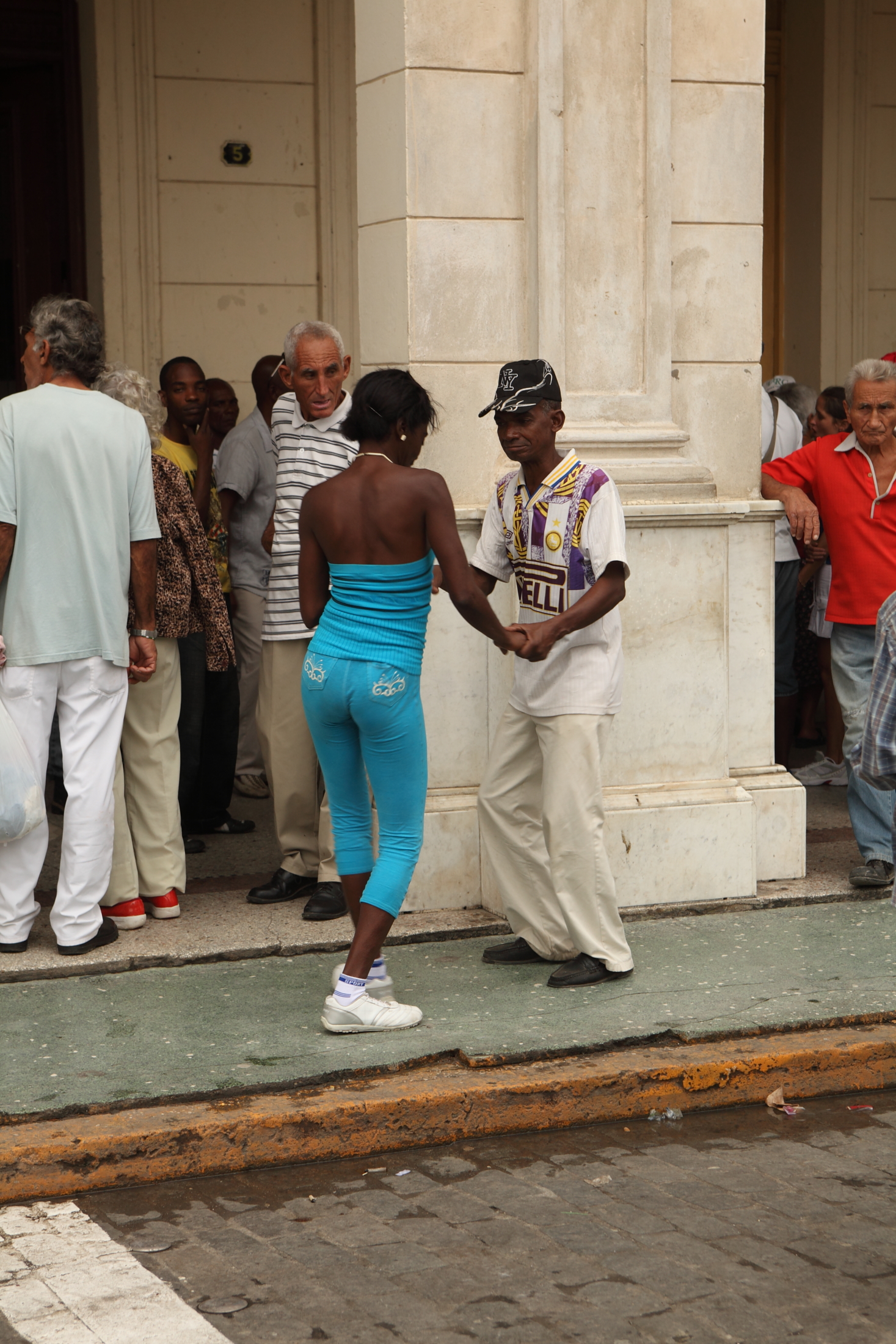
I don’t know if it is true of every town in Cuba, but every town I visited from Viñales to Baracoa had a cultural center, the heartbeat of every community.
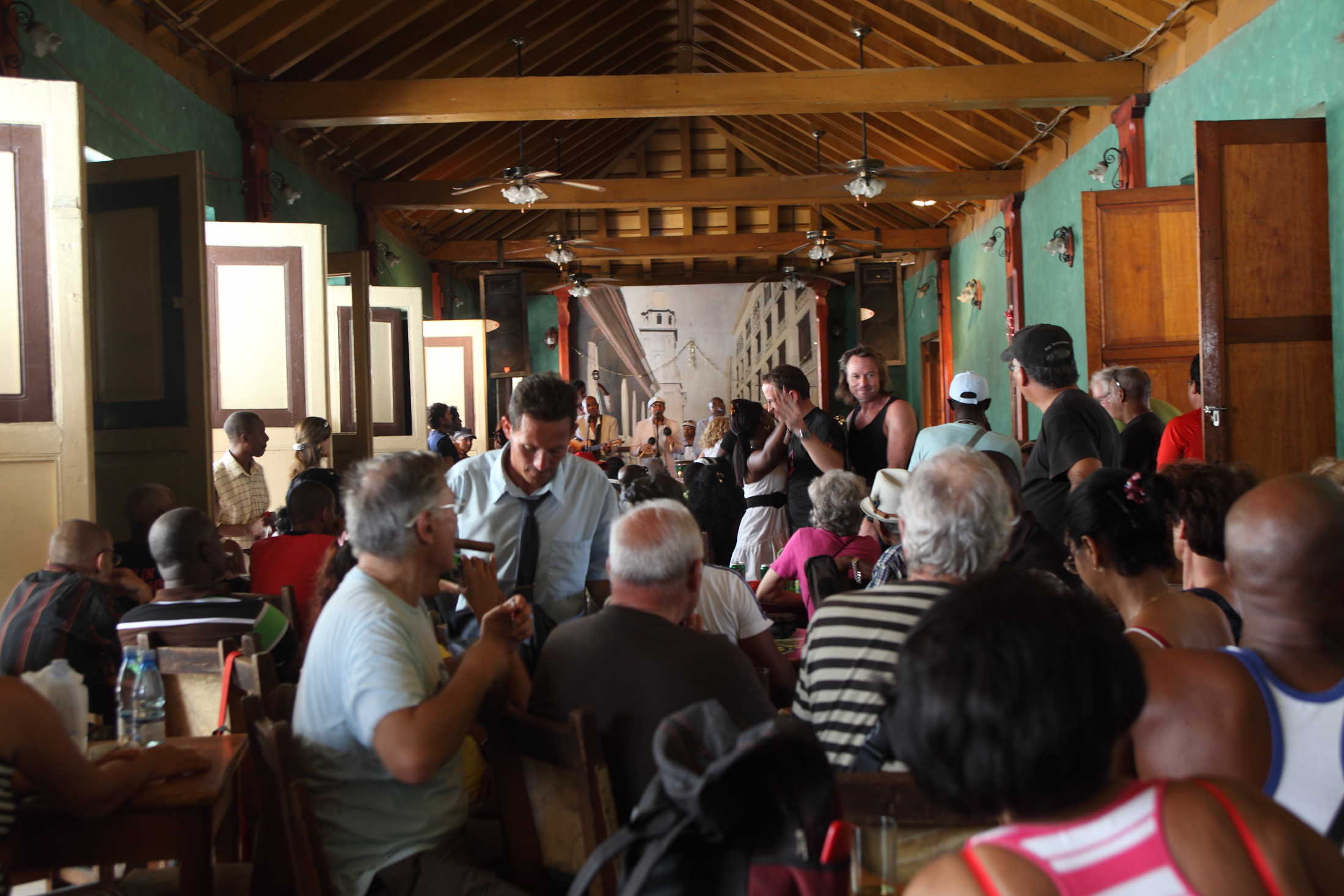 Usually open all day and late into the evening, the afternoons are best. Evenings get turned over to tourists and the wee hours become discos for the young people. The days belong to the locals and the centers are packed. Rum, cigars and salsa and, before long, you begin to feel!
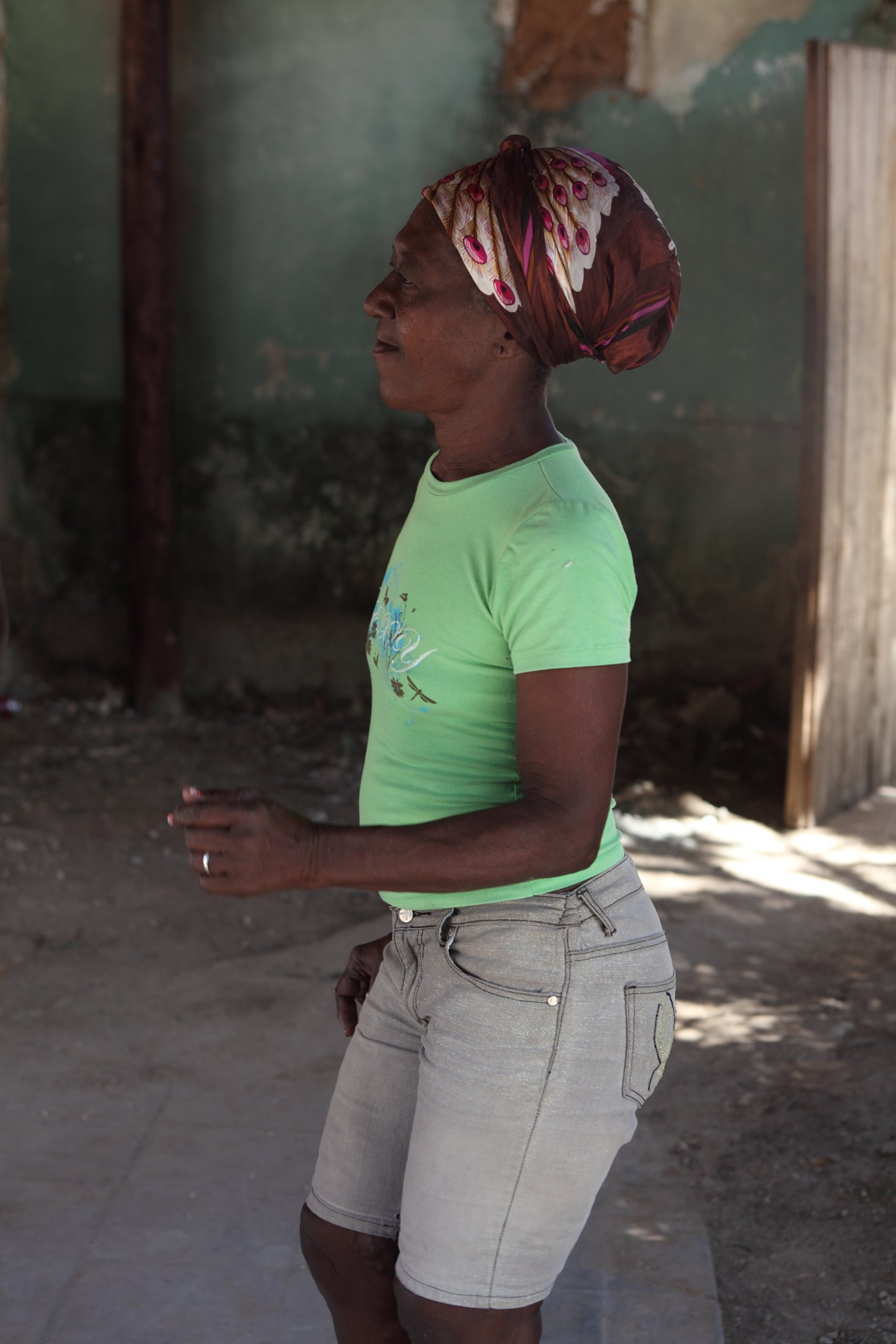
Music and dance aren’t all about salsa. There is plenty to satisfy the jazz aficionado, the new fusion sound fan, classical ballet lover. But it’s salsa that spills over into the streets, the town squares, the car radios. It’s salsa that makes you realize you are in Cuba.
 ontheroadwithjp